Toronto’s historic neighborhoods, including Annex and Rosedale, are known for their tree-lined streets, beautiful Victorian and Edwardian homes, and timeless architectural charm. While these properties offer unique character that newer homes often can’t match, they also come with challenges that many homeowners don’t anticipate, one of the biggest being pest infestations.
Unlike modern homes built with contemporary construction materials and tighter building envelopes, older properties have had decades, or even more than a century, to develop the cracks, gaps, moisture issues, and structural voids that pests love. Understanding why these homes are more vulnerable can help homeowners protect both their investment and their family’s comfort.
Why Older Homes Attract More Pests
Age alone doesn’t cause pest problems, but the natural wear that occurs over decades certainly contributes. As homes settle, building materials expand and contract with seasonal temperature changes. Mortar deteriorates, wood shrinks, foundations develop small cracks, and roofing materials age. These changes create countless opportunities for insects and rodents to enter.
Many heritage homes also contain hidden wall cavities, unfinished basements, crawl spaces, and attics that provide ideal nesting locations once pests gain access.
Mice Thrive in Historic Properties
Mice are among the most common pests found in older Toronto neighborhoods. Even tiny openings around utility pipes, vents, foundations, and aging window frames are large enough for mice to squeeze through. Once inside, they can travel behind walls, through ceilings, and beneath floorboards with very little disturbance.
Many homes in Annex and Rosedale have undergone multiple renovations over the years. While these upgrades improve living spaces, they can also create hidden voids where rodents nest unnoticed.
Signs of mice include:
- Scratching noises inside walls
- Small droppings
- Gnaw marks on wood or wiring
- Nesting materials
- A musty odour in enclosed spaces
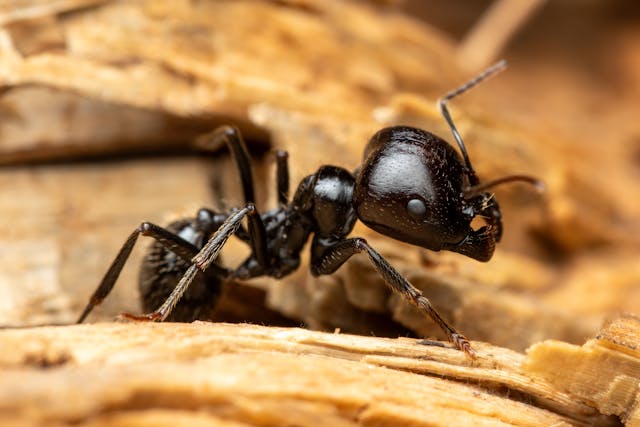
Carpenter Ants Love Aging Wood
Older homes often contain original timber framing that has stood for generations. If moisture finds its way into these wooden structures through roof leaks, plumbing problems, or poor ventilation, carpenter ants may move in.
Unlike termites, carpenter ants don’t eat wood. Instead, they excavate damp or weakened timber to create smooth tunnels for nesting. Homeowners may notice:
- Large black ants indoors
- Small piles of wood shavings
- Rustling sounds inside walls
- Increased ant activity near windows or damp areas
Prompt action is important because colonies can continue expanding if moisture issues aren’t addressed.
Silverfish Flourish in Heritage Homes
Silverfish are especially common in older houses because they prefer humid, undisturbed environments. Historic homes often have:
- Stone foundations
- Older plumbing systems
- Damp basements
- Original plaster walls
- Wooden trim
- Attics with limited ventilation
These conditions create the perfect environment for silverfish, which feed on paper, glue, wallpaper paste, books, fabrics, and other materials containing starch or cellulose. Although they don’t pose serious health risks, they can damage valuable books, documents, and stored belongings.
Bed Bugs Aren’t Limited by Building Age
Unlike many household pests, bed bugs aren’t attracted to older homes because of their construction. Instead, they spread through people and belongings.
Neighborhoods with multi-unit housing, rental properties, student accommodations, or frequent resident turnover may experience higher risks of bed bug introductions. Since bed bugs easily travel through luggage, second-hand furniture, and shared walls, even beautifully maintained heritage homes can become infested.
Early identification and prompt professional treatment are essential to prevent them from spreading throughout the property.
Older Foundations Create Easy Entry Points
Many heritage homes were built long before today’s construction techniques became standard. As foundations age, small cracks often develop around:
- Basement windows
- Utility penetrations
- Brick mortar joints
- Drainage systems
- Exterior vents
While these openings may seem insignificant, they provide convenient access for ants, rodents, spiders, and other pests seeking warmth and shelter. Regular inspections help identify vulnerabilities before pests establish themselves indoors.
Mature Landscaping Can Contribute to Pest Activity
One of the defining features of Annex and Rosedale is their mature trees and well-established landscaping. Although beautiful, this vegetation can also create pathways for pests.
Tree branches touching roofs allow rodents and squirrels easier access to attics. Dense shrubs against exterior walls create protected travel routes for ants and other insects. Thick ground cover may also retain moisture, encouraging pest activity around foundations. Proper landscape maintenance plays an important role in reducing pest pressure.
Shared Walls Increase the Risk of Infestations
Many older Toronto properties have been converted into duplexes, triplexes, or multi-unit residences. In these buildings, pests can move surprisingly easily between units through:
- Plumbing chases
- Electrical conduits
- Ceiling voids
- Wall cavities
- Heating systems
Treating only one unit often fails to eliminate the problem completely if neighboring units remain infested. This is why comprehensive building-wide inspections and pest control in Annex are frequently recommended for multi-unit heritage properties.
Prevention Is Easier Than Elimination
Maintaining an older home requires ongoing attention, and pest prevention should be part of that routine.
Homeowners can reduce the risk of infestations by:
- Sealing cracks around foundations and windows
- Repairing leaking pipes promptly
- Keeping gutters clean to prevent moisture buildup
- Storing food in sealed containers
- Reducing basement humidity
- Trimming vegetation away from exterior walls
- Scheduling regular property inspections
Small maintenance tasks often prevent much larger pest problems later.
Don’t Ignore Early Warning Signs
Many infestations begin quietly before becoming obvious. If you notice recurring insect activity, rodent noises, droppings, damaged wood, unusual odors, or unexplained bite marks, it’s worth arranging a professional inspection as soon as possible.
Early intervention is generally faster, less disruptive, and more cost-effective than dealing with a well-established infestation.
Professional Pest Control in Annex for Heritage Homes
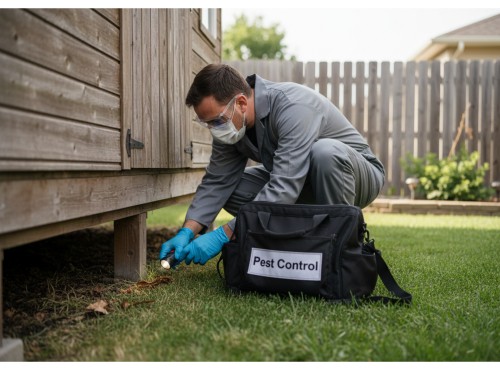
When it comes to trusted pest control in Annex, GTA Toronto Pest Control is the team locals rely on. With over two decades of experience serving Toronto homeowners, we’ve developed a deep understanding of the unique pest challenges that come with older heritage properties.
Our licensed technicians know how to navigate the complexities of aging structures, including concealed wall cavities, deteriorating foundations, and multi-unit configurations, to pinpoint the root cause of any infestation and deliver effective, lasting results. We back our work with same-day availability, written warranties, and tailored treatment plans that safeguard your home without compromising its historic integrity.