






Controlling Invasive Pests in Fast Moving City Environments

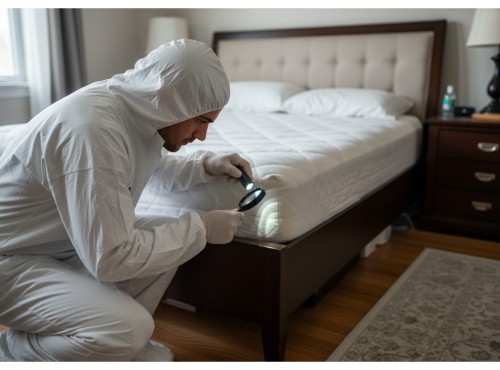
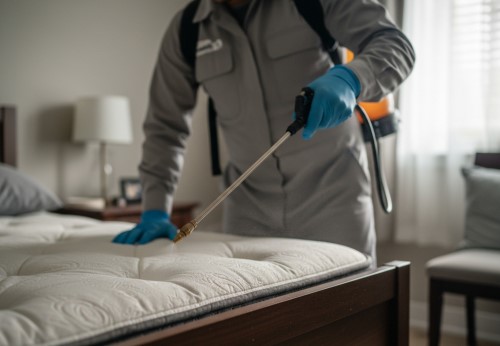
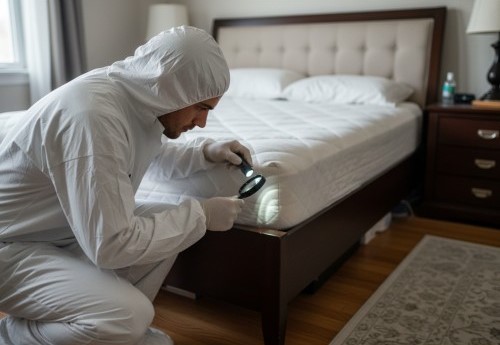
A pest control professional inspecting a mattress for bed bugs

Toronto continues to face steady bed bug pressure that mirrors trends reported by the National Pest Management Association and Health Canada. Both organizations have documented the resilience of Cimex lectularius in multi-unit residential corridors where population density, regular turnover of occupants, and shared infrastructure create favourable conditions for movement. Toronto’s downtown core reflects this pattern clearly, especially in high traffic zones near Yonge Street and Dundas Street where residential towers sit beside commercial spaces and transit pathways.

Pest Management Professionals working around Bathurst Street and Bloor Street frequently report that older mid rise buildings in these pockets contain multiple harborage sites that support hidden activity. Bed bugs exhibit thigmotactic tendencies that allow them to settle into tight spaces within headboards, wall junctions, and baseboards, which increases the difficulty of early detection for untrained residents. This behaviour, combined with regular movement of people through locations around Eaton Centre and Yonge Dundas Square, has strengthened the need for precise site assessments and structured visual inspections guided by industry standards.

Recent NPMA documentation notes that major metropolitan centres with high rates of multi unit housing show persistent infestation patterns. Health Canada also maintains public guidance citing bed bugs as a widespread nuisance insect with the ability to spread through belongings during travel or local movement. In Toronto, these factors intersect in dense areas such as Spadina Avenue and College Street, Queen Street West, and residential stretches near Jarvis Street and Carlton Street where shared walls and continuous occupancy changes create ongoing pest pressure.

This environment places increased responsibility on PMPs to apply accurate monitoring methods, to identify hot spots, and to relay practical prevention strategies to property owners. It also reinforces the value of trained inspection teams that can distinguish early signs before populations spread into additional suites or adjacent units, a scenario commonly observed in legacy buildings around Kensington Market and the Church Street corridor.


How Movement Across the City Sustains Bed Bug Activity

Toronto’s bed bug challenges stem from a combination of aging building stock, constant residential turnover, and steady movement through major transit corridors. Older multi unit structures around Kensington Market and the St. Lawrence Market district often contain multiple harborage sites within wall cavities, flooring gaps, and shared utility pathways that support persistent populations. These buildings experience elevated pest pressure because Cimex lectularius, a well documented member of the biting insects category, thrives in environments where occupants rotate frequently and belongings move between units.

Thigmotactic behavior further strengthens their ability to remain undetected. Bed bugs settle into narrow seams behind baseboards, mattress edges, and furniture cracks, which limits visibility during casual checks. PMPs conducting a visual inspection in apartments near Queen Street West or around Spadina Avenue and Dundas Street often report clusters of early activity in these concealed locations.

Movement near high profile sites such as Eaton Centre or Yonge Dundas Square introduces an indirect influence on spread. These areas attract commuters, students, and tourists who may carry infested items from one setting to another without awareness. This pattern supports the need for structured monitoring in buildings near transit corridors and traditional markets where foot traffic is constant.


Where Accurate Inspections Connect With Effective Bed Bug Relief

Bed bug inspection services across Toronto follow structured, evidence-based protocols that help PMPs locate activity within older buildings and dense urban corridors. Multi unit properties around Kensington Market, St. Lawrence Market, and high traffic clusters near Yonge Street and Dundas Street often require detailed assessments because activity can spread across shared pipe chases, wall gaps, and flooring transitions. A targeted approach helps technicians pinpoint harborage sites early and limit movement into adjacent suites.

Certified PMPs begin with a visual inspection focused on bedding, headboards, baseboards, sofas, and structural voids that commonly hide Cimex lectularius. Their thigmotactic behavior keeps them pressed into tight seams, which makes manual checks an important step. Technicians also survey hot spots, outlet covers, and furniture joints, while using monitoring boards when needed. In high traffic zones near transit paths, tourist areas, and student neighbourhoods, PMPs often expand their inspection radius to examine belongings, storage areas, and clutter pockets that can conceal early activity.

Some Toronto operators offer canine detection teams. These units can assist in identifying small pockets of activity across larger spaces such as multi floor residences or mixed use buildings. Canine results still require confirmation by a PMP, yet they can speed up detection in properties with frequent occupant turnover.

Inspection results guide the discussion around next steps. When a technician confirms activity, treatment choices vary by building structure, severity, resident needs, and access conditions.

Common extermination methods in Toronto include:
• Heat treatment for whole rooms or units
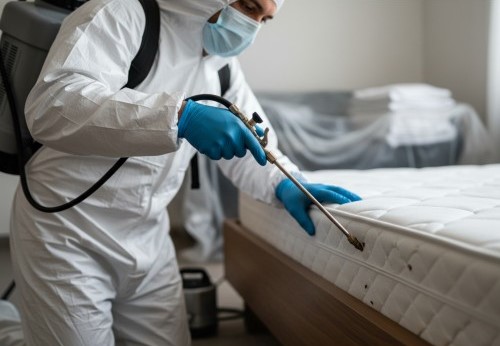
• Residual applications using SC or ME formulations
• Crack and crevice treatment around bed frames and baseboards
• Vacuum removal of visible insects and debris
• Dusting in wall voids, outlet covers, and concealed channels
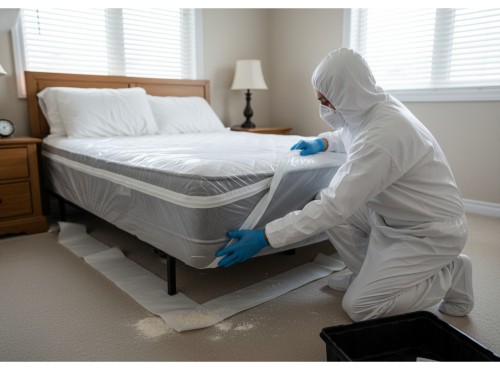
• Mattress and box spring encasements
• Follow up visits after the initial treatment

Older buildings around Queen Street West, Bathurst Street and Bloor Street, and the Church Street corridor often require multiple procedures, especially where structural gaps or aged materials create repeat harborage zones. In contrast, recently renovated condominiums around University Avenue and King Street may respond faster to treatment because fewer gaps exist behind trim, fixtures, and cabinetry.

Below is a reference table summarizing typical inspection related costs seen among established Toronto firms, using ranges commonly reported by Ontario pest management operators and industry surveys.

Approximate Bed Bug Inspection and Treatment Cost Guide (Toronto)

Service Type Typical Toronto Range Notes
Standard visual inspection 100 to 250 CAD Price varies by unit size and building access.
Canine inspection 300 to 500 CAD Often used for large units or multi floor buildings.
Heat treatment (per room) 500 to 1,500 CAD Depends on contents, layout, and prep.
Chemical treatment (per visit) 250 to 450 CAD Often requires two to three visits for full success.
Combined heat and chemical program 900 to 2,000 CAD Chosen for stubborn or widespread activity.

All ranges reflect commonly published pricing from Toronto service providers and general industry norms referenced in NPMA and Health Canada guidance.

Accurate inspections form the backbone of successful programs across the city. Toronto’s building density, mixed age housing stock, and constant movement through attractions such as the Eaton Centre and Harbourfront areas increase the value of experienced PMPs who understand how bed bugs operate within local conditions. Property owners, landlords, and residents benefit when inspections are scheduled early, before insects migrate between rooms or units.

For detailed information about inspection procedures or treatment planning, contact GTA Toronto Pest Control, known for strong technical standards and consistent results across the city.


Field Findings From Three Distinct Toronto Properties

Toronto’s building styles create varied conditions that influence how PMPs conduct inspections and select treatment paths. The scenarios below reflect realistic patterns frequently encountered across the city, each shaped by layout, structural features, and occupant routines.

  1. Condo Suite Near Yonge Street and College Street

A mid level condo unit presented intermittent bites reported by the resident. During the visual inspection, the PMP focused on bedding, mattress seams, nightstands, and the baseboard channel running along an exterior wall. Early stage activity was confirmed when cast skins and light fecal spotting were found behind the headboard. No movement between rooms was detected, and neighbouring units had not logged complaints in the building’s service log.

Treatment involved a combination of localized heat treatment for the bed assembly, vacuum removal of visible insects, and a residual application in crack and crevice zones using an SC formulation. A follow up visit confirmed that no further activity appeared on monitoring boards placed near the bed and sofa.

  1. Older Rental Building Near Queen Street and Broadview Avenue

This property featured aging trim, worn flooring junctions, and multiple structural voids that created potential harborage sites. The tenant reported nighttime bites and spotting on bedding. During inspection, the PMP identified activity in two rooms, including a cluster behind peeling baseboard sections.

The building’s age required a layered treatment plan. The technician used dusting in wall voids, residual spray along baseboards and furniture frames, and vacuum removal of exposed insects. Mattress encasements were added to reduce hiding zones. A second visit addressed a small pocket of activity inside a loose electrical plate. After adjustments, monitoring devices remained clear over the next inspection cycle.

  1. Hospitality Setting Near Rogers Centre

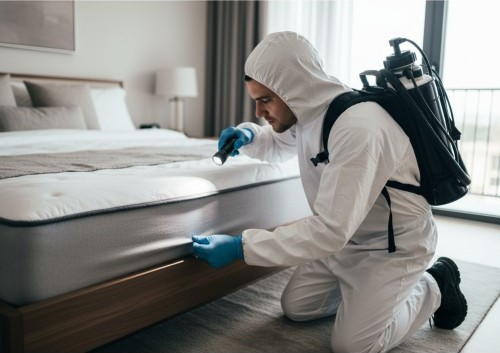
A hotel room near Rogers Centre received a guest complaint involving marks on the skin. The PMPs performed a ventral inspection of furniture, luggage stands, and bed frames. Activity was found along the underside of the box spring where thigmotactic behavior allowed insects to settle into narrow upholstery seams. No spread was found in adjacent rooms.

Given the operational demands of hospitality settings, the PMP applied a rapid response plan. This included vacuum removal, a contact kill application on exposed surfaces, and a controlled use of ME formulations to target remaining insects. The room remained offline until the re entry time passed and a post treatment inspection confirmed clear results. Preventive monitoring devices were then added to support ongoing surveillance.


Practical Measures That Reduce Bed Bug Risks Across Toronto Residences

Preventive habits play an important role in limiting bed bug movement through Toronto’s residential and commercial settings. Buildings near high traffic zones such as Union Station, hotel corridors in Yorkville, and tourist routes around Harbourfront Centre experience regular turnover of visitors, luggage, and personal items. This movement increases the chance that insects can enter suites unnoticed, which makes daily prevention routines valuable for both residents and property managers.

Clutter reduction remains one of the most effective steps for limiting harborage sites. Bed bugs settle into narrow gaps created by piled clothing, stacked boxes, and obstructed floor spaces. Removing unnecessary items and keeping belongings organized allows PMPs and residents to spot early signs before activity spreads.

Moisture control also contributes to early detection. While bed bugs do not rely on moisture in the same way as other insects, damp conditions inside older buildings can create additional gaps in baseboards, trim, and flooring that insects can occupy. Regular checks for leaks, condensation, and damaged materials help reduce these access points.

Residents returning from trips should inspect mattresses, bags, and clothing, especially after staying in areas with high guest turnover. This includes hotels near Yorkville or lodging options around Harbourfront Centre. Simple routines such as checking seams, laundering clothes on high heat, and storing luggage away from bedrooms help prevent accidental introduction of insects into homes.

Monitoring devices offer another layer of protection. When placed near beds, sofas, or baseboards, they allow property managers and occupants to detect early activity. These devices can be especially useful in multi unit buildings located near transit hubs such as Union Station, where frequent movement increases pest pressure.

Combined, these habits create a consistent foundation that supports residents, landlords, and PMPs in maintaining stable living environments across Toronto’s diverse building stock.


Sustaining Long Term Control Through Consistent Inspection and Awareness

Toronto’s varied building landscape, steady population movement, and dense urban corridors create recurring conditions that support bed bug activity. Effective management depends on accurate inspections, informed treatment choices, and steady preventive practices carried out by both residents and property managers. The scenarios seen across neighbourhoods near Yonge Street and College Street, Queen Street and Broadview Avenue, and the busy zones surrounding Rogers Centre highlight how building structure and occupancy patterns shape each response.

PMPs continue to play a central role by applying structured visual inspections, monitoring devices, and targeted treatment methods that align with guidance from Health Canada and the NPMA. When these technical measures are paired with clutter reduction, luggage checks after travel, and practical monitoring habits inside residential units, the likelihood of long term stability increases.

Toronto’s environment will always support some level of pest pressure, yet steady vigilance and timely assessments give both building owners and occupants a clear path to maintaining safer and more predictable living conditions across the city.


Frequently Asked Questions

What signs should residents look for during early stages of an infestation?

Early indicators include faint spotting on sheets, minor irritation on the skin, tiny cast skins near seams, and subtle marks on bed frames or fabric edges. Because insects settle into narrow crevices through thigmotactic behavior, these signs may appear in places that are easy to overlook, such as underneath mattress piping or behind headboards.

How do PMPs confirm the presence of insects when signs are minimal?

PMPs rely on a visual inspection supported by flashlights, hand tools, and monitoring devices. They check common harborage sites such as baseboards, nightstands, and structural gaps. In units near high traffic corridors or older buildings around Kensington Market or Queen Street West, technicians often examine additional voids and outlet areas because insects may spread through hidden channels.

Can an issue spread between apartments even when one resident is careful?

Yes. Movement between units can occur when insects follow wall voids, flooring gaps, or utility pathways. Multi unit structures near St. Lawrence Market, Yorkville, or Harbourfront corridors experience steady visitor turnover, which increases the likelihood of insects shifting between floors or adjacent rooms.

What role does clutter play in worsening conditions?

Clutter creates hiding pockets that limit visibility for residents and PMPs. Stacked items, bags on the floor, and piles of clothing increase the number of tight spaces where insects can settle. Reducing clutter improves the accuracy of inspections and helps monitoring devices capture early movement.

Do monitoring devices genuinely help with early detection?

Yes. Monitoring devices placed near beds, sofas, and heavy furniture can reveal movement long before residents notice marks or spotting. Property managers in high turnover buildings often use these devices to track pest pressure over time and identify units that require attention.

What preparation steps should residents complete before a treatment?

Common steps include removing unnecessary clutter, laundering clothing and linens on high heat, isolating belongings in sealed bags, and pulling furniture away from walls. Residents receive a prep sheet so each action supports the technician’s plan and improves the treatment outcome.

How long do typical treatment programs last?

Programs vary by structure, layout, and severity. Many situations require one main visit followed by a scheduled evaluation to confirm results. Units with extensive harborage sites or older construction may require additional localized treatment in wall voids or electrical plate areas.

Is there a concern for occupants who have chemical sensitivities?

PMPs follow label instructions and provide a chemical sensitivity notice when applicable. They also explain the re entry time required after applications. Once products have dried and the interval has passed, the area is considered safe for both occupants and pets.

Are heat treatments suitable for every building type?

Heat treatments perform well in many residential layouts, but buildings with drafty walls or poor insulation may experience uneven heating. In these cases, PMPs may combine heat with residual applications or dusting inside concealed channels to reach areas that heat cannot sustain consistently.

Can travel significantly increase the chance of bringing insects home?

Yes. Travel through areas with high visitor turnover, including hotels near Yorkville, lodging near Harbourfront Centre, or transit routes connected to Union Station, increases risk. Checking luggage seams, washing clothes on high heat, and keeping bags off bedding are reliable prevention steps.

Do mattress encasements help control infestations?

Encasements do not eliminate insects but they restrict hiding zones and make inspections easier. They also prevent insects from settling deep inside mattress layers, which improves the accuracy of future checks and supports long term monitoring.

How soon should a resident contact a PMP after noticing early signs?

Timely contact is recommended, especially when monitoring devices or clear visual markers indicate activity. Quick intervention prevents insects from spreading to neighbouring units, which lowers treatment complexity and cost.

Why do older buildings experience higher risk?

Older buildings near historic corridors around Queen Street and Broadview Avenue or older clusters near Jarvis Street contain multiple structural gaps, aging trim, and loose flooring junctions. These conditions create frequent harborage sites and make long term control more challenging.

Are follow up visits always necessary?

Most treatment programs include at least one follow up visit to verify that all activity has been resolved. Monitoring devices are checked, hot spots are re examined, and any remaining insects are treated.

Can residents handle small issues on their own?

Residents can perform preventive measures, laundering routines, and clutter reduction, but identifying and treating active insect populations usually requires trained PMPs. Their tools, formulations, and experience allow them to locate hidden pockets and apply appropriate methods safely.

Author Bio: Naeem Choudhry
Pest Control Expert

Naeem Choudhry is a seasoned pest control specialist with over 20 years of hands-on experience. Based in Toronto, he stays up to date with the latest industry best practices and is an active member of the National Pest Management Association of Canada.
Known for his practical tips and outstanding customer service, Naeem frequently hosts community workshops where he educates the public on pest identification, behaviour, and effective control methods. When he’s not out in the field, he shares his expertise through articles, educational events, and community outreach initiatives.
For more insights, follow him on x.com.