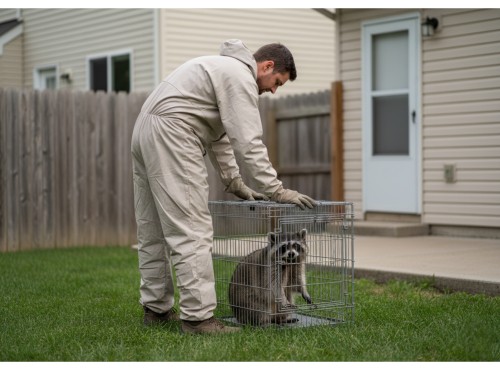

If it feels like rat sightings have become more common across the western Greater Toronto Area (GTA) in recent years, you’re not imagining it. Municipal reports, pest management professionals, and homeowners have all noted a significant rise in rat activity since 2020. Communities throughout Toronto’s west end and neighboring municipalities have experienced more complaints involving rats in homes, businesses, parks, and construction sites.
The increase isn’t the result of a single factor. Instead, it reflects a combination of urban development, changing weather patterns, increased food availability, and the remarkable adaptability of rats. Understanding why populations have grown can help property owners take practical steps to reduce the risk of an infestation.
Rapid Development Has Displaced Rat Populations
The western GTA continues to experience substantial residential and commercial growth. New subdivisions, condominium developments, road expansions, and infrastructure projects have transformed many areas over the past few years.
While these developments benefit growing communities, they also disturb existing rat habitats. Excavation and demolition force rats out of underground burrows, abandoned buildings, and wooded areas, causing them to seek new shelter nearby.
Unfortunately, newly built neighborhoods, older homes, commercial properties, and restaurants often provide everything rats need to survive.
More Food Sources Mean More Rats
Rats thrive wherever food is readily available. As communities expand, so does the number of restaurants, grocery stores, food courts, apartment complexes, and residential neighborhoods. Overflowing garbage bins, improperly stored waste, bird feeders, compost piles, and pet food left outdoors all provide reliable food sources.
Even small amounts of accessible food can support a growing rat population. Once rats establish a dependable feeding area, they often remain nearby and continue breeding throughout the year.
Milder Winters Have Improved Survival Rates
Winter traditionally helped limit rat populations by reducing food availability and exposing rodents to harsher environmental conditions. However, milder winters experienced in southern Ontario over recent years have allowed more rats to survive into the spring breeding season.
With higher survival rates, more breeding adults are available to produce multiple litters throughout the year, contributing to steady population growth.
Rats Reproduce Faster Than Many People Realize
One reason infestations become overwhelming so quickly is the rat’s remarkable breeding capacity. A single breeding pair can produce dozens of offspring annually under favorable conditions. Young rats also reach maturity in just a few months, allowing populations to expand rapidly if left unchecked.
Because rats are mostly nocturnal, homeowners often don’t realize how large the infestation has become until significant damage or frequent sightings occur.
Construction Creates New Entry Points
Construction doesn’t just displace rats. It also creates opportunities for them to enter buildings. Temporary openings around foundations, utility installations, drainage systems, and unfinished landscaping can become access points. Older neighboring homes may also develop cracks or gaps as nearby construction alters soil conditions.
Once inside, rats are attracted to warm basements, crawl spaces, garages, attics, and utility rooms where they can nest safely.
Urban Infrastructure Helps Rats Travel
Rats are excellent climbers, swimmers, and burrowers. The extensive sewer systems, storm drains, utility tunnels, and underground infrastructure throughout the GTA allow rats to move efficiently between neighborhoods without being easily detected.
They can travel considerable distances while remaining hidden, making local infestations part of a much larger population network. This mobility is one reason isolated control efforts often fail if surrounding properties also have active infestations.
Outdoor Living Spaces Can Attract Rodents
Since 2020, many homeowners have invested in outdoor kitchens, patios, decks, sheds, and backyard entertainment areas. While these additions improve outdoor living, they can also unintentionally create ideal hiding places for rats. Wood piles, dense landscaping, storage sheds, barbecue grease, and uncovered waste bins all provide shelter or food.
Regular maintenance around outdoor structures plays an important role in reducing rodent activity.
Why DIY Rat Control Often Falls Short
When homeowners notice signs of rats, their first instinct is often to purchase traps or poison from a hardware store. While these products may catch or kill individual rats, they rarely solve the underlying problem. Rats are intelligent animals that quickly learn to avoid unfamiliar objects, and surviving rodents continue breeding if entry points remain open.
Successful rodent control requires identifying nesting areas, locating access points, eliminating food sources, and implementing exclusion measures alongside population reduction. This comprehensive approach is one reason the services of a professional rat exterminator in Toronto are often more successful than DIY methods.
Early Warning Signs Should Never Be Ignored
The sooner a rat problem is addressed, the easier it is to control. Watch for common warning signs such as:
- Droppings along walls or inside cupboards
- Gnaw marks on wood, plastic, or wiring
- Scratching noises in walls or ceilings
- Greasy rub marks along baseboards
- Burrows near foundations or gardens
- Shredded insulation or nesting materials
- Strong, musty odors in enclosed spaces
Ignoring these early indicators allows populations to grow and increases the risk of structural damage and contamination.
Prevention Is the Best Long-Term Strategy
Although rats are highly adaptable, homeowners can significantly reduce the likelihood of an infestation by taking preventative measures.
Keep garbage securely sealed, remove outdoor food sources, trim vegetation away from the home’s exterior, repair foundation cracks, install door sweeps, and seal openings around utility pipes. Regular inspections of basements, crawl spaces, attics, and garages can also identify vulnerabilities before rats move in.
If activity is discovered, contacting a qualified rat exterminator promptly can prevent a small problem from becoming a much larger and more expensive one.
Reliable Rat Exterminator in Toronto Services
When rats invade your property, you need a lasting solution. As a trusted rat exterminator in Toronto, we provide thorough inspections, customized treatment plans, and effective rodent removal for homes and businesses throughout the GTA. Our team focuses on identifying how rats are entering your property, eliminating active infestations, and implementing proven exclusion methods to help prevent future problems. With experienced technicians, prompt service, and practical prevention advice, we’re committed to helping you protect your property and restore your peace of mind.