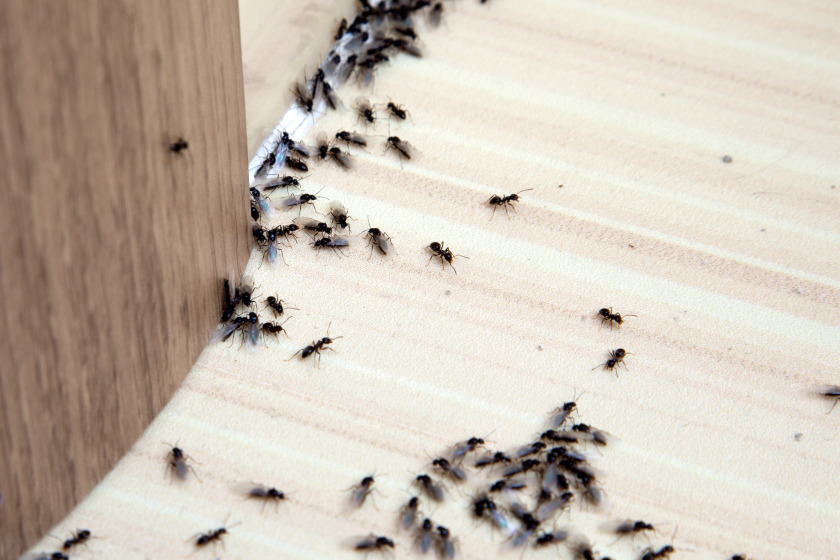
When ants first begin appearing around your home in spring, it’s tempting to ignore them until the problem becomes more noticeable. After all, seeing a few ants on a windowsill or kitchen counter may not seem like a serious concern. However, waiting for increased activity is often one of the biggest mistakes homeowners make.
By the time ants become a daily nuisance indoors, the colony has usually been established for quite some time. Early treatment is generally more effective, less disruptive, and can prevent a minor problem from turning into a widespread infestation.
If you’re wondering whether spring is the right time to schedule treatment, understanding how ants behave throughout the year can help you make the best decision.
Why Ant Activity Increases During Spring
Spring marks the beginning of peak ant season in Toronto. As temperatures rise, dormant colonies become active again. Worker ants leave their nests to search for food and water while scouting for new nesting locations.
This increased activity explains why homeowners often notice ants indoors during the spring months, especially after periods of rain or sudden warm weather. Rather than indicating a new infestation, these sightings often reveal a colony that has already been established nearby.
Early Treatment Targets Smaller Colonies
One of the biggest advantages of spring treatment is that colonies are often smaller than they will be later in the season. As spring progresses, queens continue laying eggs, producing new worker ants that expand the colony’s size and foraging range.
Treating the infestation early helps interrupt this growth before thousands of additional ants are produced. Smaller colonies are generally easier to eliminate than mature populations that have had months to expand.
Waiting Can Allow Colonies to Spread
Ant colonies rarely stay in one location. As they grow, they may establish additional nesting sites known as satellite colonies. This is especially common with carpenter ants, which often create multiple nests throughout a property.
What begins as a small infestation in spring can spread into wall voids, crawl spaces, roof structures, or outdoor wooden features by summer. Delaying treatment gives colonies more time to expand and become increasingly difficult to eliminate.
The First Ants You See Are Usually Scouts
Many homeowners believe a few ants indoors are harmless. In reality, the first ants that appear are often scout ants searching for reliable food and water sources.
Once they discover food inside your home, they leave chemical scent trails that guide hundreds of additional workers to the same location. Addressing the problem before these trails become established significantly reduces the chance of a large indoor infestation.
Spring Weather Encourages Indoor Activity
Toronto’s spring weather can be unpredictable. Heavy rainfall, melting snow, and fluctuating temperatures often disturb outdoor nests.
As a result, ants begin searching for dry shelter and dependable food sources, making homes particularly attractive during this time of year. Properties with moisture problems, damaged wood, or foundation cracks become even more vulnerable to ant activity.
Carpenter Ants Become More Active in Spring
Spring is also when carpenter ants begin increasing their foraging activity. Unlike many other ants, carpenter ants excavate wood to create nesting galleries.
They are particularly attracted to damp or decaying wood around:
- Window frames
- Roof eaves
- Deck supports
- Basements
- Crawl spaces
- Garages
- Porch columns
Early treatment can help locate these colonies before they expand deeper into structural wood.
Why Waiting Until Summer Can Be Risky
Many homeowners postpone pest control until ants become impossible to ignore. Unfortunately, increased activity during summer often means the colony has already grown substantially.
Larger infestations may involve:
- More worker ants
- Additional satellite nests
- Greater structural damage in the case of carpenter ants
- Longer treatment times
- Increased follow-up visits
Addressing the infestation earlier often reduces both treatment complexity and the risk of recurring problems.
Professional Treatments Work Best Before Colonies Peak
Professional pest control does far more than eliminate visible ants. A thorough inspection identifies:
- Active foraging trails
- Nesting locations
- Entry points
- Moisture issues
- Conditions attracting ants to the property
Treatments are then designed to target the colony itself rather than simply removing the ants that homeowners notice indoors. Taking action before colonies reach peak population levels often improves long-term success.
What If You Only See Ants Outside?
Outdoor ant activity does not always require immediate treatment. Ants play an important role in the environment, and many outdoor colonies never become household pests.
However, treatment should be considered if:
- Ants repeatedly enter your home.
- Carpenter ants are found near wooden structures.
- Trails lead toward the foundation.
- Winged ants appear indoors.
- Activity increases rapidly over several days.
A professional inspection can determine whether the colony poses a risk to your property.
Steps You Can Take During Spring
Along with professional treatment, homeowners can reduce the likelihood of infestations by taking preventive measures. These include:
- Repair leaking pipes and outdoor faucets.
- Seal cracks around doors and windows.
- Store food in airtight containers.
- Keep kitchen counters free of crumbs.
- Trim tree branches touching the house.
- Remove dead trees and old stumps.
- Keep firewood away from exterior walls.
- Clean gutters to prevent moisture buildup.
These simple maintenance tasks help make your property less attractive to ants throughout the season.
Is It Ever Better to Wait?
In most situations, waiting provides very few advantages. If ants have already entered your home, they have likely identified it as a reliable food source. The longer the colony remains active, the greater the opportunity for expansion and the more difficult complete elimination may become.
Instead of waiting for larger numbers of ants to appear, scheduling treatment at the first signs of activity often leads to faster and more effective results.
Protect Your Home Before the Infestation Grows
Spring is widely considered the ideal time to address ant problems because colonies are becoming active but have not yet reached their peak size. Early intervention reduces the opportunity for colonies to spread, helps protect your home from potential damage, and often simplifies the treatment process.
We provide professional inspections and customized services of ant control in Toronto designed to identify the source of the infestation rather than simply treating visible ants. Our team develops targeted treatment plans based on the type of ant, the size of the colony, and the unique conditions around your property. By combining effective treatments with practical prevention strategies, we help homeowners achieve reliable, long-lasting ant control in Toronto before a small problem turns into a major infestation.