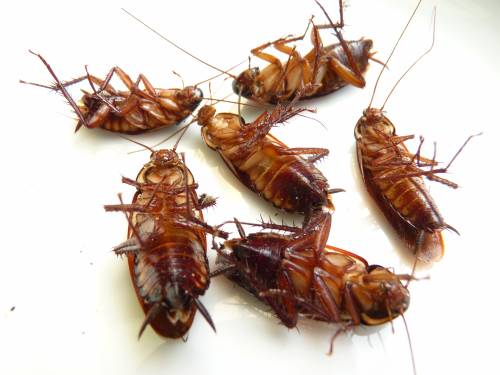
Seeing cockroaches after a professional treatment can be frustrating. Many homeowners assume the treatment failed, but that is not always the case. Cockroaches are among the most resilient household pests, capable of hiding in tiny spaces, reproducing rapidly, and surviving in challenging conditions. Even after an initial treatment, some activity may continue while the infestation is being eliminated.
Understanding why cockroaches return can help you take the right steps to prevent another infestation and know when it’s time to contact a professional cockroach exterminator for additional treatment.
Not Every Cockroach Dies Immediately
Professional cockroach treatments are designed to eliminate entire populations, not simply kill every insect on contact. Many products used by pest control professionals work gradually. Cockroaches travel through treated areas, pick up insecticides or consume bait, then return to their hiding places, where they spread the treatment to other cockroaches through contact and grooming.
Because of this process, it is common to see increased cockroach activity for several days after treatment. Hidden insects are forced out of their nesting areas before eventually dying.
Cockroach Eggs Can Survive Initial Treatments
One of the biggest reasons infestations seem to return is the cockroach egg case, known as an ootheca. Many insecticides do not penetrate these protective capsules. As a result, eggs may hatch days or weeks after the first treatment.
Professional pest control programs often include follow-up visits specifically to eliminate newly hatched cockroaches before they become breeding adults. Without these additional treatments, the infestation can quickly rebuild.
Hidden Nesting Areas Are Difficult to Reach
Cockroaches are experts at staying out of sight. They commonly hide inside:
- Wall voids
- Behind kitchen cabinets
- Under appliances
- Electrical outlets
- Ceiling spaces
- Plumbing chases
- Cracks around baseboards
- Storage rooms
Even if the visible areas of your home appear clean, hidden nesting sites may still contain active cockroach populations. A thorough inspection is essential for locating these concealed harbourage areas before treatment begins.
Food and Water Sources Remain Available
Cockroaches can survive surprisingly well with very little food. Even small amounts of grease, crumbs, spilled beverages, pet food, or standing water provide enough resources for them to continue breeding.
Common attractants include:
- Dirty dishes left overnight
- Overflowing garbage bins
- Leaking pipes
- Water under sinks
- Grease buildup behind stoves
- Food stored in unsealed containers
Professional treatment works best when combined with good sanitation practices that remove these food and moisture sources.
Entry Points Were Never Sealed
Treatment eliminates existing cockroaches, but it cannot always prevent new ones from entering. Cockroaches may enter through:
- Gaps around plumbing
- Utility penetrations
- Foundation cracks
- Damaged weather stripping
- Shared walls in apartment buildings
- Openings beneath doors
Without exclusion work, new cockroaches may continue entering the property after treatment. Sealing potential entry points is an important part of long-term prevention.
Multi-Unit Buildings Present Additional Challenges
In Toronto, cockroach infestations are particularly common in apartment buildings and condominiums. Even if one unit receives treatment, neighboring units may still have active infestations.
Cockroaches frequently travel through shared plumbing systems, wall cavities, ventilation systems, and electrical conduits. In these situations, treating a single apartment may reduce activity temporarily, but complete control often requires coordinated treatment throughout the building.
DIY Products Can Interfere With Professional Treatments
Many homeowners continue using aerosol sprays after professional treatment. While this may seem helpful, it can actually reduce treatment effectiveness.
Sprays often repel cockroaches away from professional bait stations instead of encouraging them to feed on the bait. This limits the transfer of insecticide throughout the colony. After treatment, it is important to follow your technician’s instructions regarding cleaning, additional products, and monitoring.
Some Infestations Require Multiple Treatments
Large infestations rarely disappear after one visit. Factors affecting treatment time include:
- Size of the infestation
- Species of cockroach
- Number of hiding places
- Building construction
- Sanitation conditions
- Moisture problems
German cockroaches, one of the most common indoor species, reproduce extremely quickly. A single female can produce hundreds of offspring during her lifetime, making complete elimination a process rather than a one-time event. This is why many professional pest management programs include scheduled follow-up inspections and treatments.
Clutter Creates Safe Hiding Places
Excess clutter gives cockroaches countless places to hide and breed. Stacks of cardboard boxes, paper bags, unused appliances, and stored household items create ideal shelter where treatments may not fully reach.
Reducing clutter improves inspection accuracy and allows pest control products to reach active nesting areas more effectively.
Moisture Problems Continue Attracting Cockroaches
Cockroaches require moisture to survive. Leaking faucets, condensation around pipes, damp basements, and poor ventilation provide ideal conditions for ongoing infestations.
Repairing plumbing leaks, improving ventilation, and reducing indoor humidity make your home far less attractive to cockroaches after treatment.
How to Prevent Cockroaches From Returning
Homeowners can greatly reduce the risk of reinfestation by following several preventive measures:
- Clean food spills immediately.
- Store dry food in airtight containers.
- Empty garbage regularly.
- Repair plumbing leaks promptly.
- Vacuum kitchens frequently.
- Reduce household clutter.
- Seal cracks around pipes and walls.
- Avoid leaving pet food out overnight.
- Schedule follow-up inspections if recommended.
These steps support professional treatment and help prevent surviving cockroaches from rebuilding their population.
When Should You Call a Professional Again?
If you continue seeing live cockroaches several weeks after treatment, or their numbers begin increasing again, it may indicate that additional nesting sites remain active or new cockroaches are entering the property.
Rather than relying on repeated DIY sprays, contacting an experienced cockroach exterminator allows the infestation to be reassessed and treated using a comprehensive approach that addresses both active populations and the conditions allowing them to survive. Integrated pest management strategies that combine inspection, targeted treatments, exclusion, and sanitation are generally the most effective long-term solution.
Contact Us for Cockroach Control in Toronto
Successful cockroach control involves much more than applying a single treatment. We begin with a detailed inspection to identify where cockroaches are hiding, how they are entering your property, and what conditions are supporting the infestation. Our licensed technicians use targeted treatment methods designed to eliminate active populations while providing practical recommendations to help prevent future infestations. Our goal is to deliver reliable, long-term cockroach control for homes and businesses throughout Toronto and the GTA.