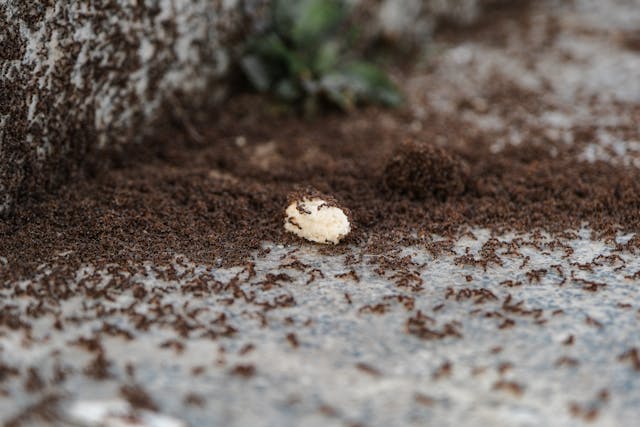
Many homeowners are surprised when ants seem to appear overnight as soon as summer arrives. One day your kitchen is pest-free, and the next you’re seeing a steady line of ants moving across countertops, floors, or windowsills. This sudden activity often leads people to believe the infestation started recently, but in most cases, the colony has been nearby for much longer.
Summer creates ideal conditions for ants to forage, reproduce, and expand their territory. Understanding what attracts them indoors can help you stop an infestation before it becomes a recurring seasonal problem.
Higher Temperatures Increase Ant Activity
Ants become much more active as temperatures rise. Warm weather speeds up their metabolism, making them forage more frequently for food and water to support the growing colony. Worker ants travel farther from the nest than they do during cooler months, increasing the chances of entering nearby homes.
Even a small outdoor colony can send hundreds of ants searching across your property during the summer.
Food Is Easier to Find Inside Your Home
Your home offers a dependable source of food, making it an attractive destination for foraging ants. Common food sources include:
- Crumbs on kitchen floors
- Sticky drink spills
- Pet food left out overnight
- Open garbage bins
- Sugary foods
- Grease around cooking areas
- Unsealed pantry items
Once scout ants discover food, they leave a chemical trail that guides other workers directly to the same location. This is why a few ants can quickly become dozens or even hundreds.
Summer Rain Can Drive Ants Indoors
Although ants enjoy warm weather, heavy summer rainfall often forces them to relocate. Flooded nests and saturated soil push colonies to search for drier environments, and homes provide excellent shelter.
Following periods of rain, it is common to see increased ant activity around:
- Foundations
- Basements
- Window frames
- Doors
- Garages
- Crawl spaces
This movement is often temporary, but it can develop into a long-term infestation if ants establish reliable food sources indoors.
Colonies Grow Larger During Summer
Ant populations naturally increase throughout the warmer months. Queens continue producing eggs while worker ants expand the colony’s food supply.
As colonies become larger, more workers are sent out to forage, making indoor sightings much more frequent. By midsummer, an established colony may contain thousands of ants, significantly increasing activity around your property.
Tiny Entry Points Allow Easy Access
Ants do not require large openings to enter your home. They can squeeze through tiny cracks around:
- Window frames
- Door thresholds
- Utility pipes
- Foundation gaps
- Roof vents
- Exterior siding
- Air conditioning lines
Many of these openings go unnoticed until ants begin using them regularly. A professional inspection often reveals several access points that homeowners were unaware existed.
Moisture Attracts Certain Ant Species
Food is not the only reason ants enter homes. Moisture is equally important, particularly during hot weather. Leaking pipes, damp basements, condensation around plumbing, and poor drainage create favorable conditions for many species.
Carpenter ants are especially attracted to moisture-damaged wood because it is easier to excavate for nesting. Addressing water problems helps reduce the likelihood of recurring infestations.
Outdoor Landscaping Can Encourage Ant Activity
The area surrounding your home can also contribute to summer infestations. Overgrown vegetation and untreated wood provide excellent nesting locations.
Common outdoor attractants include:
- Tree stumps
- Firewood piles
- Mulch beds
- Dead trees
- Dense shrubs
- Wooden fences
- Deck supports
When colonies develop close to the house, worker ants have a much shorter distance to travel indoors.
Why Ants Keep Returning Every Summer
Many homeowners notice ants disappearing in the fall, only to return the following summer. This seasonal pattern often occurs because the original colony was never eliminated.
Instead, the ants simply reduced their activity during colder weather before becoming active again the following year. Without addressing the colony itself, seasonal infestations often continue year after year.
DIY Treatments Usually Target the Wrong Problem
Store-bought sprays often provide immediate results by killing visible ants. However, these products rarely reach the colony hidden behind walls, beneath concrete, inside tree roots, or underground.
Some sprays may even cause colonies to split into multiple satellite nests, making the infestation more difficult to eliminate. Successful ant control focuses on locating and treating the source of the infestation rather than simply removing worker ants.
How to Reduce Summer Ant Problems
Preventive maintenance can significantly reduce the chances of attracting ants.
Homeowners should:
- Wipe up food spills promptly.
- Store pantry items in airtight containers.
- Empty garbage regularly.
- Repair plumbing leaks.
- Seal cracks around doors and windows.
- Trim tree branches touching the home.
- Remove old tree stumps.
- Store firewood away from exterior walls.
- Keep gutters clean to prevent moisture buildup.
Combining these steps with professional treatment offers the best protection against future infestations.
When Should You Call a Professional?
A few scout ants do not always indicate a major infestation. However, professional inspection is recommended if:
- Ant trails appear daily.
- Ants are found in multiple rooms.
- Carpenter ants are seen indoors.
- Winged ants emerge inside the home.
- DIY products have failed to solve the problem.
- Ant activity returns every summer.
Early intervention often prevents colonies from becoming larger and more difficult to eliminate.
Stop Seasonal Ant Problems at Their Source
Recurring summer ant activity is usually a sign of an established colony rather than a temporary nuisance. Simply removing the ants you see will not prevent new workers from entering your home if the nest remains active nearby.
Our services of ant control in Toronto identify where ants are nesting, determine how they are entering your property, and apply targeted treatments based on the species and severity of the infestation. We focus on long-term results by addressing the root cause of the problem while providing practical recommendations to reduce the risk of future invasions. With professional ant control, homeowners can enjoy lasting protection instead of dealing with the same seasonal infestation year after year.