Rats and mice have become a growing concern across Toronto’s residential and commercial environments, from the bustling restaurants near Yonge and Dundas to the quieter residential streets around High Park. As urban density increases and aging infrastructure provides abundant harbourage, the need for systematic rat control has never been greater. GTA Toronto Pest Control, a licensed and insured pest management company serving the Greater Toronto Area, delivers structured programs designed to eliminate existing infestations and prevent future incursions through scientifically backed methods and industry compliance.
The Urban Rat Challenge
Toronto’s rat populations, primarily composed of Norway rats (Rattus norvegicus) and roof rats (Rattus rattus), have adapted well to the city’s underground tunnels, restaurant alleyways, and residential basements. These commensal rodents thrive where food waste, shelter, and moisture are available. Locations such as the St. Lawrence Market, Kensington Market, and Queen Street West corridor are frequent hotspots for rodent complaints, as documented by Toronto Public Health. The city’s waste density and extensive utility network allow rats to travel through interconnected sewers and structural voids, spreading infestations across blocks.
Inspection and Site Assessment
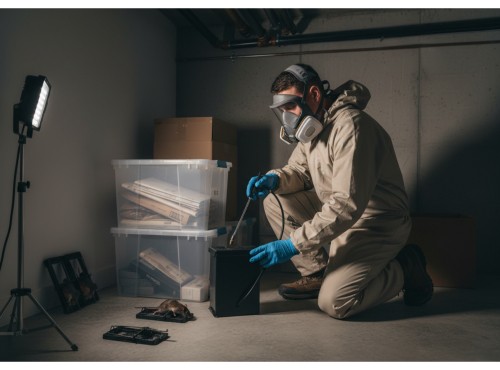
Our technicians begin each service with a detailed site assessment and exclusion inspection, identifying ingress and egress points, harborage sites, and conducive conditions. We use tools such as moisture meters, monitoring boards, and tamper-resistant bait stations to determine activity levels and establish a threshold monitoring baseline. Each service adheres to the Integrated Pest Management (IPM) model recommended by the National Pest Management Association (NPMA) and Health Canada’s Pest Management Regulatory Agency (PMRA).
During inspection, technicians look for rubbing marks, droppings, runways, and gnawing damage, classic signs of infestation. In some cases, thermal fogging or void treatment may be required to address inaccessible nesting zones within walls or basements of a home, especially in older properties near Bathurst and Queen Street or Parliament and Dundas.
Treatment Methods and Control Options
The company’s control programs combine baiting systems, snap traps, and tamper-proof rodent stations, depending on infestation size and structural layout. Microencapsulated rodenticide formulations or non-repellent baits are used where sustained activity is detected, ensuring both efficacy and safety under Health Canada PCP compliance. For sensitive accounts such as daycare centers, food establishments, or healthcare facilities, biorational pesticides and mechanical trapping methods are prioritized.
Commercial clients benefit from ongoing service plans, such as monthly IPM programs, audit-ready compliance protocols, and service logbook documentation for Good Manufacturing Practice (GMP) facilities. Residential clients are typically offered preventative quarterly pest control packages or seasonal inspections before rodent breeding peaks in the colder months.
Education and Prevention
Beyond extermination, GTA Toronto Pest Control emphasizes homeowner and business education. Clients are guided on sanitation improvements, waste storage, and exclusion measures such as sealing utility penetrations, repairing foundation gaps, and securing garbage bins. These preventative steps are integral to long-term success and align with Toronto Public Health’s Rodent Control Standards.
Our technicians can conduct follow-up inspections to verify rodent reduction and provide you with written recommendations and exterminators tips on other types of wildlife control.
A Proven Record in the GTA
Serving neighborhoods across Etobicoke, Scarborough, North York, and Downtown Toronto, GTA Toronto Pest Control has established a strong track record of success through humane, environmentally conscious strategies. Their service model combines data-driven monitoring, advanced exclusion techniques, and regulatory compliance, representing the professional standard of urban rodent management in Ontario.
Valuable and Effective DIY Rat Control Methods in Toronto
While professional pest management remains the most reliable solution for sustained rat elimination, many Toronto homeowners prefer to begin with basic do-it-yourself (DIY) control efforts before engaging a licensed exterminator. These preventive and corrective measures, when executed correctly, can reduce conducive conditions, interrupt rodent access, and provide temporary relief in mild infestations. However, DIY strategies should always complement, not replace, comprehensive Integrated Pest Management (IPM) programs.
Identifying and Sealing Entry Points
The cornerstone of effective rat prevention lies in exclusion work. Rats can squeeze through openings as small as 1.5 cm, making structural inspection essential.
Homeowners should inspect:
-
Foundation cracks and utility penetrations behind kitchen appliances.
-
Basement bulkheads, weep holes, and garage doors where weather stripping has worn out.
-
Vents and soffits, particularly in older buildings near Queen Street and Spadina Avenue, where masonry gaps are common.
Recommended sealing materials include steel wool, copper mesh, and polyurethane foam reinforced with wire mesh. Avoid plastic or wood fillers, as rats can gnaw through them. For attics and rooflines, hardware cloth or galvanized flashing provides long-term protection.
Sanitation and Food Source Management
DIY efforts often fail because food sources remain accessible. According to Health Canada’s pest management guidelines, eliminating access to food and water dramatically lowers rodent activity. Homeowners should:
-
Store food in airtight containers and keep pet food sealed overnight.
-
Use metal garbage bins with tight-fitting lids and clean them regularly.
-
Manage compost bins properly and position them away from walls and sheds.
-
Eliminate standing water from plant saucers, clogged gutters, and under-sink leaks.
Areas such as Kensington Market and St. Lawrence Market, where outdoor waste accumulates, frequently report rat activity due to inconsistent sanitation routines. Maintaining clean surroundings and following regular trash collection schedules significantly reduces the likelihood of infestation.
Mechanical and Non-Chemical Trapping
For small infestations, mechanical traps offer measurable results without the need for rodenticides.
Common types include:
| Trap Type | Description | Recommended Use |
|---|---|---|
| Snap Traps | Delivers instant kill; reusable. | Best for small infestations along walls or behind appliances. |
| Multi-Catch Traps | Captures several rats alive; humane release possible. | Suitable for garages, basements, or crawl spaces. |
| Glue Boards | Monitors movement but less effective for established populations. | Use for inspection, not long-term control. |
To improve success rates, traps should be placed along runways and rubbing marks, typically found against walls or near corners. Peanut butter, nuts, or dried fruit are effective baits. Rotate trap types periodically to prevent behavioral resistance.
Safe Baiting Practices
If baits are used, they must comply with Health Canada PCP regulations. Homeowners can purchase tamper-resistant bait stations from reputable suppliers but must handle them with caution, especially in homes with pets or children. Baits should never be left exposed or scattered near food preparation areas. It is critical to follow the label is the law principle, ensuring rodenticide use meets federal and provincial guidelines.
Odour and Post-Removal Cleaning
After eliminating rats, odours from urine or carcasses may linger. DIY solutions include enzymatic cleaners and HEPA vacuuming to remove dried droppings safely. Protective gloves and respirators should be worn during cleanup to prevent leptospirosis or hantavirus exposure. Professional decontamination remains the safest option for extensive contamination, especially in crawl spaces or behind insulation.
When DIY Efforts Are Not Enough
DIY methods can reduce minor activity, but established infestations often require professional expertise. When residents hear persistent scratching noises in walls, notice fresh droppings, or find chewed wiring, the infestation has likely spread beyond reachable areas. In such cases, licensed technicians from GTA Toronto Pest Control can provide targeted baiting, exclusion, and monitoring solutions tailored to each property’s structure.
For many homeowners, DIY steps serve as an early line of defence, mitigating risk and improving sanitation, before professional intervention ensures complete elimination and long-term rodent-proofing. By combining personal vigilance with expert service, Toronto residents can protect their properties and reduce public health risks throughout the city.
Cost and Pricing for Rat Removal Services in Toronto
The cost of rat removal in Toronto varies depending on the severity of the infestation, property type, and the specific control methods required. According to GTA Toronto Pest Control, a professional inspection and service plan are the most effective ways to assess true costs, as every structure presents unique challenges such as wall void accessibility, foundation cracks, and sanitation conditions. While many homeowners initially seek a one-time treatment, most infestations require multi-visit service plans for long-term success and compliance with industry standards set by the National Pest Management Association (NPMA) and Health Canada.
Average Cost Range
The following table summarizes typical market pricing for rat control across the Greater Toronto Area (GTA), based on verified pest control company data and municipal service comparisons:
| Service Type | Description | Typical Price Range (CAD) |
|---|---|---|
| Initial Inspection | Comprehensive property assessment, identification of ingress points, and rodent activity mapping. | $150 – $250 |
| Standard Residential Treatment | Includes bait stations, traps, exclusion sealing, and follow-up inspection. | $300 – $600 |
| Severe Infestation Program | Multiple visits with bait rotation, void treatment, and sanitation follow-up. | $650 – $1,200 |
| Commercial Monthly Service Plan | Ongoing IPM monitoring for restaurants, warehouses, and retail sites. | $75 – $250 per visit |
| Preventative Maintenance (Quarterly) | Seasonal inspections, exclusion verification, and sanitation review. | $200 – $400 per quarter |
Factors Affecting Cost
Several variables influence total expenses for professional rat removal in Toronto:
-
Infestation Severity: Heavy infestations often involve deep structural harborages and require extended baiting programs or mechanical trapping.
-
Building Type: Detached homes, semi-detached properties, and basement apartments each present different exclusion challenges.
For instance, a rowhouse near Dufferin and Bloor may need additional mesh sealing compared to a high-rise suite in Yorkville. -
Accessibility: Crawl spaces, attics, and utility conduits increase technician time and material costs.
-
Follow-Up Requirements: Industry best practice involves at least two follow-up visits to confirm eradication and population reduction.
-
Environmental and Safety Considerations: Facilities handling food, children, or pets require specialized products such as biorational rodenticides or non-repellent formulations, slightly increasing overall service cost.
Value of Professional Service
While over-the-counter traps or repellents may appear cost-effective, long-term management of rat populations requires professional application and ongoing monitoring. Certified Pest Management Professionals (PMPs) are trained under Ontario’s Structural Applicator License program and adhere to WHMIS compliance standards. These licensed technicians apply rodenticides at precise label rates, maintain service logs, and implement Integrated Pest Management (IPM) programs designed for sustained prevention.
Customers who select GTA Toronto Pest Control’s service agreements benefit from warranties, digital inspection reports, and documented recommendations to maintain audit readiness for commercial operations. Many businesses near Queen Street West and Bay Street have shifted to contract-based monthly plans that combine sanitation audits with tamper-resistant baiting systems, a strategy proven to reduce both rodent sightings and public health complaints.
Return on Investment
A professionally executed rodent control plan not only eliminates visible pests but also prevents future structural damage and potential contamination. According to Toronto Public Health, unchecked rat infestations can cause electrical fires, food spoilage, and pathogen transmission. Investing in a licensed provider minimizes these risks while preserving property integrity and occupant safety.
In practical terms, most Toronto property owners find that the cost of professional rat removal is offset by the reduced need for reactive treatments, emergency repairs, and health code penalties. Consistent preventive service represents the most cost-efficient and scientifically supported method for maintaining a rat-free environment in urban Ontario.
Case Study: Residential Block near High Park – Controlling a Persistent Rat Infestation
Background
In late autumn, a series of rodent complaints emerged from a multi-unit residential block located near High Park, close to Bloor Street West and Keele Street. The complex, built in the 1960s, included multiple basement storage units, a communal laundry room, and ground-level waste bins positioned against the foundation wall. Property management reported increased sightings of Norway rats (Rattus norvegicus) near the rear parking area and utility penetrations adjacent to the boiler room.
A preliminary site assessment by certified Pest Management Professionals (PMPs) identified several harborage sites and conducive conditions, including open compost containers, poor trash rotation, and heavy vegetation overgrowth along the fence line that provided cover for commensal rodents. Residents had also stored pet food and cardboard boxes in basements, creating additional nesting opportunities.
Inspection Findings
Using crack and gap surveys, moisture readings, and visual inspections, technicians discovered multiple runways, burrows, and rubbing marks near utility penetrations and under concrete slabs. Chewed insulation and droppings were found in the crawl space beneath Unit 4, indicating active movement between wall voids. Nighttime surveillance cameras captured rats accessing the building through a drainage opening that lacked a tamper-proof cover.
Rodent droppings were tested for pathogen presence, and sanitation risks were classified as high, consistent with the City of Toronto’s pest complaint database for the High Park–Swansea area. Residents also reported scratching sounds at night, suggesting structural access between adjoining units.
Integrated Pest Management (IPM) Response
An Integrated Pest Management (IPM) plan was implemented using a multi-phase approach designed for dense urban housing environments:
| Phase | Intervention | Details |
|---|---|---|
| Phase 1 | Sanitation & Waste Control | Removal of overgrown shrubs, implementation of weekly trash rotation, installation of sealed metal garbage containers with tight-fitting lids. |
| Phase 2 | Exclusion Work | Sealing of wall gaps using steel mesh, polyurethane foam, and concrete patching. New door sweeps and weather stripping installed. |
| Phase 3 | Monitoring & Trapping | Deployment of tamper-resistant bait stations containing anticoagulant rodenticides registered under Health Canada PCP numbers. Interior crawl spaces treated with snap traps and glue boards near runways and structural voids. |
| Phase 4 | Follow-Up & Verification | Threshold monitoring every two weeks, with activity logs documented in a pest control logbook for regulatory compliance. |
Key Takeaways for PMPs
-
Structural Integrity Matters: Even small utility penetrations can serve as access points for rodents in older Toronto buildings.
-
Sanitation is Central: Coordinated waste management and resident cooperation drastically reduce harborage potential.
-
Documentation & Verification: Maintaining a pest control logbook aligned with NPMA standards strengthens audit readiness and ongoing prevention.
This High Park case highlights how comprehensive IPM practices, when paired with resident education and property cooperation, can achieve sustainable rodent population reduction even in challenging multi-unit residential environments.
Author Bio: Naeem Choudhry
Pest Control Expert
Naeem Choudhry is a seasoned pest control specialist with over 20 years of hands-on experience. Based in Toronto, he stays up to date with the latest industry best practices and is an active member of the National Pest Management Association of Canada.
Known for his practical tips and outstanding customer service, Naeem frequently hosts community workshops where he educates the public on pest identification, behaviour, and effective control methods. When he’s not out in the field, he shares his expertise through articles, educational events, and community outreach initiatives.
For more insights, follow him on x.com.