
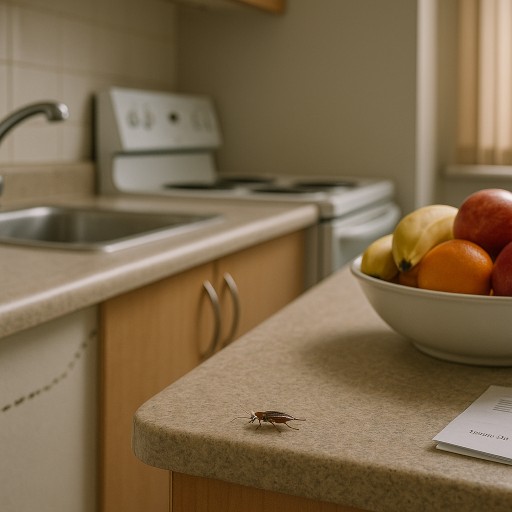
In a city as large and economically diverse as Toronto, the need for affordable pest control services spans households, small businesses, and rental properties across all neighbourhoods. Whether you’re a tenant in Parkdale, a retiree in East York, or a small business owner in Weston, cost-effective pest control solutions are essential to maintaining safe, livable, and hygienic environments. Give GTA Toronto Pest Control a call for a free quote.
Understanding the Range of Services at Lower Costs
Toronto has a wide variety of budget pest control options that aim to provide solid results without high overhead. These include:
| Service Type | Average Low-End Cost | Pests Covered | Notes |
|---|---|---|---|
| One-time inspection | $85–$125 CAD | All pests | Often waived if you book service after inspection |
| General spray for insects | $125–$175 CAD | Ants, cockroaches, spiders | Covers 1–2 rooms; basic chemicals used |
| Mouse or rat baiting | $150–$200 CAD | Mice, rats | Includes traps and 2–3 follow-ups |
| Bed bug heat treatment (single room) | $325–$450 CAD | Bed bugs | Budget units may not include full warranties |
| Cockroach gel treatment | $120–$180 CAD | Cockroaches | Often used in kitchens and apartment units |
Source: Field data compiled from pricing pages of licensed pest control firms operating in Toronto and surrounding areas, 2024.
Providers Offering Lower Rates
Several licensed pest control companies in Toronto focus specifically on value-driven service packages. These companies operate lean models by using unmarked vehicles, limiting service hours, or offering single-tech crews. Some also serve residential towers, shelters, or public housing projects in bulk agreements, bringing per-unit treatment costs down for tenants.
Pay-What-You-Can & Sliding Scale Models
A handful of nonprofit organizations and municipal-funded partnerships offer limited pest control support to low-income residents. These include:
-
Toronto Community Housing Corporation (TCHC) pest control services for tenants (covered under tenancy)
-
The Neighbourhood Group: emergency health and housing support, sometimes includes pest treatment referrals
-
Public Health Units: in rare instances, collaborate with tenants’ associations for free inspections when pest issues pose public health threats
“We don’t advertise as the cheapest — we’re the most reasonable for those who need help the most.”
— Carlos D., Licensed Technician, servicing Thorncliffe Park and Flemingdon
Affordable Doesn’t Mean Unsafe
Budget pest services can still be safe, licensed, and effective if you’re asking the right questions. Avoid contractors who skip assessments or use unlabeled chemicals. Always request a written service plan and verify that the provider is certified by the Ontario Ministry of the Environment, Conservation and Parks.
Areas of Toronto with the Highest Demand for Low-Cost Services
Based on data from service calls and tenant requests, the following neighbourhoods consistently show demand for low-priced pest control:
-
Rexdale and Jamestown (high-rise residential)
-
Scarborough East and West Hill (single homes + rental suites)
-
Kensington Market and Spadina area (mixed-use businesses)
-
Parkdale and Roncesvalles (aging infrastructure and multi-units)
-
North Etobicoke (new Canadians and refugee housing)
In these regions, pest management firms often build customized plans that reduce costs by focusing on high-priority areas only (kitchens, bedrooms), opting for baiting over full fogging, and providing educational material for tenants to maintain pest-free conditions between visits.
DIY vs. Professional: When to Spend and When to Save
When dealing with pests in Toronto, the first question for many households on a budget is: Can I fix this myself, or do I need a professional? While do-it-yourself methods may seem attractive for their low up-front cost, the wrong decision can lead to worsening infestations, property damage, or health hazards — all of which drive up long-term expenses.
This section breaks down when it’s safe to go DIY, and when to call in licensed professionals, particularly for those prioritizing affordable pest control services in Toronto.
🛠 DIY: When It’s a Smart First Step
For mild infestations or early-stage signs of pest activity, DIY can be an effective way to buy time, especially if professional help isn’t immediately affordable. Here’s where DIY is worth trying:
| Situation | Recommended DIY Tactic | Estimated Cost |
|---|---|---|
| A few ants in the kitchen | Borax + sugar traps; seal entry points | Under $20 |
| Mice in basement | Snap traps with peanut butter; seal gaps | $10–$25 |
| Fruit flies around drains | Apple cider vinegar traps | $5 |
| Cockroach sighting in kitchen | Gel bait placements + vacuuming cracks | $20–$35 |
| Bed bug prevention in new apartment | Mattress encasement + steam cleaning | $40–$100 |
Important: DIY methods should always use non-toxic, labeled products, and be kept away from children, pets, and food-prep surfaces.
🧠 Tip: Look for “PMRA-registered” on any store-bought pest control product — this label indicates approval by Health Canada’s Pest Management Regulatory Agency.
🚫 When DIY Fails or Becomes Risky
Certain structural infestations, fast-breeding species, or pests that spread disease often require a trained hand. Here’s when it’s better to spend the money and bring in a licensed exterminator in Toronto:
-
Bed bugs: One overlooked egg clutch can restart the infestation.
-
Cockroaches: Fast breeding and can contaminate food.
-
Rodents (rats/mice): Known to chew through wiring and spread disease.
-
Wasps or hornets: Dangerous to remove without gear.
-
Multiple pest species at once: Indicates systemic building issues.
In these cases, attempting DIY fixes can lead to:
-
Delayed elimination
-
Pesticide overuse
-
Increased repair costs (chewed wires, damaged insulation)
-
Greater health risk to tenants or pets
Toronto’s Professional Extermination Services are legally required to follow IPM (Integrated Pest Management) principles, which combine inspection, monitoring, physical barriers, and targeted low-toxicity treatments — something off-the-shelf sprays don’t offer.
⚖️ Cost Comparison: DIY vs. Pro (Long-Term)
| Pest Type | DIY Total Cost (Avg.) | Pro Treatment (Avg.) | Risk of Reinfestation w/ DIY |
|---|---|---|---|
| Cockroaches | $35–$70 | $150–$200 | High |
| Mice | $25–$60 | $150–$250 | Moderate to High |
| Bed bugs | $100–$200 | $400–$1,200 | Very High |
| Ants (carpenter) | $20–$50 | $175–$300 | Medium |
| Fruit flies | $5–$10 | Rarely needs pro | Low |
Conclusion: DIY works best for isolated, non-recurring issues, especially when cost control is the top concern. But for pests that multiply quickly, carry health risks, or require deep building access, hiring a professional is the most cost-effective path in the long run.
How to Vet a Budget-Friendly Exterminator Without Sacrificing Safety
When it comes to cheap pest control in Toronto, affordability shouldn’t come at the expense of safety, legality, or results. With hundreds of contractors offering “discount” rates, tenants and property owners must be careful to choose providers who are both cost-effective and credible.
Here’s how to evaluate low-cost pest control services without falling for underqualified operators who cut corners or use unsafe chemicals.
✅ Licensing and Certification Is Non-Negotiable
In Ontario, pest control companies must be licensed through the Ministry of the Environment, Conservation and Parks. You should always:
-
Request a license number and verify it on the Government of Ontario’s website
-
Confirm they follow IPM (Integrated Pest Management) guidelines
-
Check for liability insurance (especially important in condos, multi-units, and commercial spaces)
💡 Red Flag: Anyone offering treatments with no site visit, no paperwork, or unmarked containers is likely unlicensed or using unapproved chemicals.
🔍 Key Questions to Ask a Low-Cost Exterminator
Even if you’re focused on affordability, these questions will help you assess whether the company is reliable:
| Question | What You’re Looking For |
|---|---|
| Are your technicians licensed and insured? | Yes, with certification number |
| Do you offer a written treatment plan? | Yes, including pest identified, method, and products |
| What’s included in the price? | Inspection, treatment, follow-up, and reporting |
| Are your products safe for kids and pets? | Clear yes with specific explanations |
| Do you guarantee your work? | A time-bound guarantee (30–90 days) |
A budget pest control provider that gives vague answers or avoids documentation may end up costing you more in retreatments or property damage.
📱 Check Their Digital Footprint
Reliable low-cost providers will still have some level of online transparency:
-
Google reviews or HomeStars feedback (look for terms like “affordable,” “fast,” or “honest”)
-
A website with contact information, licensing info, and service details
-
Clear business address — beware of those that only list a phone number with no base of operations
Look for companies that serve multiple Toronto neighbourhoods, including Etobicoke, Scarborough, North York, and Downtown Core, but don’t try to undercut licensed operators by offering “cash-only specials” that evade regulation.
🧪 Ask About Their Products — Especially If You Have Kids, Pets, or Seniors at Home
Budget-conscious homeowners and renters are rightfully concerned about exposure to toxic chemicals. A legitimate exterminator will:
-
Offer low-toxicity or non-toxic alternatives (e.g. diatomaceous earth, boric acid, heat treatments)
-
Discuss ventilation requirements, re-entry times, and clean-up protocols
-
Provide MSDS (Material Safety Data Sheets) for products used upon request
If you’re being treated for cockroaches, mice, or bedbugs, ask if they offer integrated options like traps, mechanical barriers, or vacuum extraction — not just sprays.
🧾 Compare Written Estimates — Not Verbal Promises
A common trap with ultra-cheap operators is the lowball phone quote that suddenly inflates after arrival. Protect yourself by:
-
Requesting written quotes with a service breakdown
-
Ensuring the quote covers both treatment and any necessary follow-ups
-
Asking if retreatment is free within a certain window (30–60 days is standard in Toronto)
A properly priced, affordable pest control plan should be clear, complete, and itemized — even if it’s cheaper than standard market rates.
🚫 Beware of These Common Warning Signs
| ❌ Red Flag | 🧷 Why It Matters |
|---|---|
| No written quote or invoice | No recourse if the job is botched |
| No mention of follow-up | Pests may return without additional treatment |
| Only reachable by text/WhatsApp | May be untraceable or unregistered |
| “Secret formula” pesticide claims | Likely using unapproved or dangerous substances |
| Pressure to pay upfront or in cash only | Could be operating without liability or accountability |
🛡 Final Tip: Affordable Doesn’t Mean Amateur
Toronto has numerous reputable pest control companies offering competitive prices without compromising on safety or professionalism. The key is to focus on value — not just price.
If you’re dealing with a serious infestation in Parkdale, or trying to eliminate roaches in a basement unit in York, spending a little more on a trusted operator can save you months of recurring problems, health risks, and unnecessary costs.
Tips to Reduce Pest Control Costs Without Compromising Results
Cheap pest control in Toronto isn’t just about finding the lowest bidder — it’s about knowing how to maximize value, avoid unnecessary fees, and prevent pests from returning. By applying smart, proactive strategies, both homeowners and renters can bring pest control costs down significantly, even when hiring professionals.
Here are the most effective ways to cut pest control expenses without sacrificing safety or results.
🧰 1. Prepare Your Property Before the Technicians Arrive
One of the most common reasons for inflated service costs is technician time spent clearing clutter, moving furniture, or prepping areas. You can reduce the time (and cost) of treatment by:
-
Clearing baseboards, under sinks, and around beds
-
Emptying cabinets or drawers in infested rooms
-
Vacuuming beforehand to remove debris or droppings
-
Providing clear access to utility closets, attics, or basements
📌 Why it matters: Time saved = money saved. Less prep means fewer technician hours billed.
🗓 2. Opt for Regular Maintenance, Not Just One-Off Emergencies
Instead of waiting for a full-blown infestation, many Toronto residents now book annual or semi-annual pest control plans, especially in older buildings or ground-floor apartments.
| Plan Type | Average Cost (Toronto) | Savings Over One-Offs |
|---|---|---|
| Annual maintenance | $300–$450 CAD | Up to 30% per visit |
| Bi-monthly service | $50–$85 CAD/month | Reduced emergency visits |
This is especially useful for:
-
Property managers in Scarborough and Rexdale
-
Seniors in Etobicoke looking for consistent protection
-
Families near ravines or wooded areas (North York, Don Mills)
🧠 3. Educate Tenants or Occupants to Avoid Reinfestation
In multi-unit dwellings, one of the biggest drivers of repeat pest issues is lack of awareness among residents. A well-informed tenant is your best first line of defense.
Provide:
-
Clear do’s and don’ts (e.g. don’t leave food out overnight)
-
Instructions for sealing garbage and recycling bins
-
Flyers or guides on identifying pest activity early
🗣 Tip: Some Toronto pest control companies will include free tenant education material as part of their affordable pest control service plans.
🧪 4. Choose Companies That Use IPM (Integrated Pest Management)
Operators using IPM protocols typically focus on prevention and long-term results, not just repeat spraying. While the first visit may be more thorough (and slightly more expensive), it reduces the need for constant follow-ups.
What IPM-based providers typically include:
-
Detailed inspection and report
-
Sealing of entry points
-
Targeted, low-toxicity application
-
Physical traps and monitoring devices
In the long term, IPM saves money by eliminating the cause — not just the symptoms.
🔄 5. Group Treatments With Neighbours or Units
If you live in a row of townhouses, a duplex, or a rental building, consider organizing a group booking. Many exterminators in Toronto offer multi-unit discounts when servicing several homes at once.
| Group Size | Estimated Discount |
|---|---|
| 2–3 units | 10–15% |
| 4–6 units | 15–20% |
| 7+ units | 25%+ |
This method is especially effective for bedbug, cockroach, and rodent infestations, which commonly spread through adjacent units.
💬 6. Ask the Right Questions to Avoid Hidden Fees
Before booking, always clarify:
-
What pests are included?
-
Are follow-ups charged separately?
-
Are inspections free or billed?
-
Is there a cancellation fee?
-
Will they provide written documentation?
Some of Toronto’s top-rated budget pest control companies offer flat-rate packages with no hidden charges, especially for basic infestations like ants, spiders, or mice.
🧼 7. Invest in Low-Cost Prevention Supplies
A few dollars spent on preventive items can eliminate the need for treatment altogether. These include:
| Item | Cost | Purpose |
|---|---|---|
| Steel wool or copper mesh | $5–$10 | Seal mouse entry points |
| Food-grade diatomaceous earth | $10–$20 | Kill crawling insects (ants, bedbugs) |
| Caulking for cracks | $6–$15 | Block pest access |
| Door sweeps | $12–$25 | Prevent entry from outside |
Over time, these tools keep the space pest-free — reducing reliance on professional intervention.
Summary: Reduce Cost Without Risk
You don’t have to spend top dollar to get effective, reliable, and safe pest control in Toronto. By preparing your space, educating others, choosing wisely, and investing in prevention, you can stay pest-free on a budget — all while avoiding rogue operators and poor-quality treatments.
What’s Included in a Basic Affordable Treatment Plan
Many Toronto residents searching for cheap pest control services worry that a lower price tag means stripped-down service — or worse, ineffective or unsafe results. In reality, a properly structured low-cost pest control plan can still include the essentials required to deliver long-lasting protection, provided it’s from a licensed and trained exterminator.
This section breaks down what should — and shouldn’t — be part of a basic, budget-friendly pest control plan in Toronto.
🧾 Core Components of an Entry-Level Plan
Even at the most affordable tiers, a competent pest control company will include these core service elements:
| Service Component | Why It Matters |
|---|---|
| On-site inspection | Identifies pest type, activity level, and key entry/harbourage points |
| Targeted treatment | Uses pest-specific products and strategies (e.g., gel bait, dust, traps) |
| Health & safety precautions | Ensures products are safe for children, pets, and food areas |
| Written service report | Includes findings, treatment methods, and post-treatment instructions |
| Follow-up advice | Helps reduce reinfestation risk through customer education |
These basic plans are typically designed for mild to moderate pest issues, especially for:
-
Cockroach activity in kitchens
-
Rodent sightings in basements or garages
-
Ant trails in bathrooms or entryways
-
Bedbug containment in early-stage infestations
💸 What’s Typically Not Included in Low-Cost Packages
Understanding what’s excluded helps set realistic expectations. Budget packages often do not include:
-
Multiple visits or long-term monitoring
-
Full-building treatments (e.g., whole-house fogging)
-
Structural repair (e.g., sealing soffits or broken vents)
-
High-risk pests like termites, carpenter ants, or aggressive wasps
-
Advanced equipment such as heat treatment machines, foggers, or thermal cameras
For example, a $150 visit to handle a mouse issue in a semi-detached house near Keele & Lawrence might cover inspection, bait stations, and safety guidance — but not full sealing of wall voids or multi-week monitoring.
📦 What to Look for in a Well-Designed Budget Plan
Toronto’s best affordable pest control companies build their plans around a mix of value, safety, and outcome. Look for providers who:
-
Offer customized treatment, not just blanket spraying
-
Use non-toxic or low-toxicity products
-
Include a short-term guarantee (e.g., 14–30 days)
-
Provide photo documentation or digital service reports
-
Are open about pricing tiers (e.g., basic vs. premium)
“The cost may be low, but the standards should be high. Every client deserves documentation, clarity, and a technician who knows what they’re doing.”
— Farah K., Licensed Exterminator, East York and Scarborough region
💼 Sample Basic Plan: Small Apartment in Parkdale
Here’s an example of a typical low-cost pest control package for a Toronto rental unit:
| Service Element | Included |
|---|---|
| 1-bedroom apartment inspection | ✅ Yes |
| Cockroach gel bait application | ✅ Yes |
| Crack and crevice dusting | ✅ Yes |
| Follow-up within 14 days | 🚫 No (extra fee) |
| Entry point sealing | 🚫 No |
| Emergency return visit | 🚫 No |
| Client education handout | ✅ Yes |
| Total Cost (2025 estimate) | $120–$160 CAD |
This type of service is common in older Toronto buildings that lack integrated pest plans or whose tenants can’t afford premium pest control but still need safe and effective interventions.
🔐 Is There Any Guarantee With a Budget Plan?
Yes — but expect limited coverage windows, often 14 to 30 days. This usually applies only to the original pest treated, not new or unrelated infestations.
Some reputable Toronto exterminators also offer a discounted second visit if follow-up is needed, helping residents avoid the burden of full repeat costs.
🧠 Final Thought: Budget Plans Work Best With Good Habits
Even the best basic treatment will fail if the home environment isn’t supportive. To get the most out of your cheap pest control treatment plan:
-
Follow all technician instructions carefully
-
Maintain cleanliness (especially around food, garbage, and moisture)
-
Monitor pest activity and report any recurrence early
-
Don’t mix chemicals or DIY sprays unless approved by the technician
Author Bio: Naeem Choudhry
Pest Control Expert
Naeem Choudhry is a seasoned pest control specialist with over 20 years of hands-on experience. Based in Toronto, he stays up to date with the latest industry best practices and is an active member of the National Pest Management Association of Canada.
Known for his practical tips and outstanding customer service, Naeem frequently hosts community workshops where he educates the public on pest identification, behaviour, and effective control methods. When he’s not out in the field, he shares his expertise through articles, educational events, and community outreach initiatives.
For more insights, follow him on x.com.