
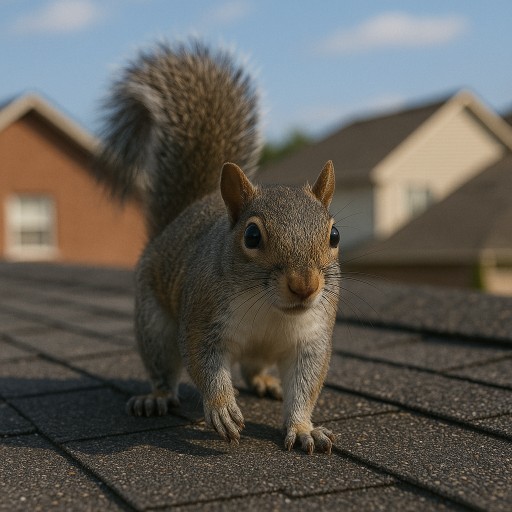
From the treetops of High Park to the quiet residential backyards of Leaside, Toronto’s squirrels have made themselves at home—sometimes a little too much at home. What was once a manageable wildlife presence has rapidly escalated into an urban infestation issue that residents and pest control professionals can no longer ignore. The demand for squirrel removal has surged across the GTA, particularly in areas where mature trees, aging housing stock, and accessible attics collide.
According to the City of Toronto’s 311 data, complaints related to squirrels entering attics, chewing wiring, and nesting in soffits have increased by over 20% since 2022. This spike reflects a broader urban-wildlife conflict where traditional rodent control practices must now make room for more specialized wildlife removal strategies.
Why Squirrels Are a Serious Concern in Toronto
Unlike raccoons, squirrels are agile daytime climbers. They access homes by leaping from nearby trees, power lines, or fences. Once inside, they chew through wood, insulation, and electrical wiring, increasing the risk of fire hazards and structural damage. Squirrels also tend to return year after year to the same nesting sites—especially in older Toronto neighbourhoods like The Annex, Rosedale, and Riverdale, where architectural gaps offer ideal entry points.
Even more troubling, many homeowners don’t realize there’s a problem until significant attic damage or electrical issues appear. This delay can make eradication more complex, which is why early detection and humane removal services are critical.
Common Squirrel Species in Toronto and How to Identify Them
Toronto is home to several squirrel species, each with distinct behaviours, nesting habits, and impacts on residential structures. Correct species identification is critical in devising the appropriate removal and prevention strategy, especially when tailoring exclusion materials and timing removal during breeding cycles.
🐿️ 1. Eastern Grey Squirrel (Sciurus carolinensis)
Most common species in the GTA, this squirrel is highly adaptable to urban environments.
-
Appearance: Grey, black, or brown coat; bushy tail; 9–12 inches long
-
Habits: Active year-round; builds leafy dreys in trees and nests in attics
-
Behaviour: Diurnal (active in the day), especially early morning and mid-afternoon
-
Problem Areas: Attics, eaves, chimneys, wall voids
🟡 Frequently seen in: High Park, Rosedale Ravine, and along tree-lined streets in Riverdale
🐿️ 2. Red Squirrel (Tamiasciurus hudsonicus)
Smaller and more territorial, red squirrels are noisier and more aggressive during nesting seasons.
-
Appearance: Reddish-brown coat with white underbelly; smaller than grey squirrel
-
Habits: Stores food (nuts, cones) in attics or garages; chews insulation and wiring
-
Behaviour: Highly vocal; known for rapid movement and strong territoriality
-
Problem Areas: Garages, crawlspaces, soffits, outdoor storage areas
🟠 Often found in: Scarborough Bluffs, North York backyards, and wooded pockets in East York
🐿️ 3. Flying Squirrel (Glaucomys volans)
Less common, but still occasionally seen in Etobicoke and near Don Valley, these nocturnal squirrels are more elusive.
-
Appearance: Small (8–10 inches), grey-brown fur, skin flaps between limbs for gliding
-
Habits: Enters through roof vents and gaps; nests in clusters inside wall cavities
-
Behaviour: Nocturnal; droppings and scratching sounds may be mistaken for rodents
-
Problem Areas: Behind insulation, under floorboards, attic corners
🟢 Harder to detect without thermal scanning or motion-triggered cameras
Identification Tips for Homeowners
| Clue | Likely Species | Action |
|---|---|---|
| Daytime roof activity | Eastern Grey Squirrel | Schedule visual inspection |
| Nocturnal attic scratching | Flying Squirrel | Consider motion cameras or traps |
| Loud chattering or squeaks | Red Squirrel | Urgent removal before breeding starts |
| Leaf nest in tree nearby | Eastern Grey Squirrel | Check attic or soffits for access |
| Nuts or cones in insulation | Red or Grey Squirrel | Sanitize and inspect structural damage |
If you’re unsure which species has invaded your space, a licensed technician can identify them through droppings, nesting material, activity patterns, and chew marks, and adapt the removal plan accordingly.
The Professional Response
Licensed wildlife control specialists in Toronto now use integrated methods to remove squirrels safely, ensuring long-term exclusion and habitat deterrence. The shift away from DIY traps or relocation efforts has been reinforced by Ontario’s Fish and Wildlife Conservation Act, which requires humane handling and prohibits the relocation of wildlife beyond one kilometre.
As urban squirrel populations grow, homeowners, businesses, and property managers must adopt prevention-first strategies. That begins with professional inspection, proper sealing of entry points, and use of eco-friendly deterrents. In a city where wildlife and infrastructure constantly intersect, professional services are no longer optional—they’re essential.
Behaviour, Biology, and Nesting Habits of Toronto Squirrels
Understanding squirrel biology is essential to controlling their impact on Toronto homes and businesses. Unlike other urban wildlife, squirrels are active year-round and breed twice annually—once in late winter and again in mid-summer. The most commonly encountered species in Toronto include the Eastern Grey Squirrel (which can be black, grey, or brown) and the Red Squirrel, both known for their aggressive nesting behaviour and chewing instincts.
Nesting Habits: Why Your Attic Looks Like Home to Them
Squirrels prefer elevated, dry, and sheltered spaces for nesting—traits found in abundance in Toronto’s aging housing stock. Attics, wall voids, and roof vents serve as prime real estate. In many homes near Trinity Bellwoods Park, homeowners have reported squirrels tearing through soffits, rooflines, and even aluminum flashing to gain entry. Once inside, they use insulation as nesting material, gnaw on beams, and produce litters of 2–4 kits.
Chewing and Structural Risks
Squirrel teeth grow continuously, prompting them to chew on wood, electrical wiring, PVC piping, and even metal flashing to maintain tooth length. This behaviour leads to a host of property issues:
| Damage Type | Risk Level | Notes |
|---|---|---|
| Electrical Wiring | Severe | Fire hazard due to exposed or severed wires |
| Roof Ventilation Gaps | High | Leads to water infiltration and mold growth |
| Wall Insulation Tunnels | Moderate | Reduces energy efficiency |
| Wood Framing Damage | Moderate | Can lead to long-term structural weaknesses |
Squirrels can cause hundreds to thousands of dollars in damage, especially when infestations go unnoticed for months.
Behavioural Patterns: When and Where to Look
-
Time of Day: Most active during early morning and late afternoon
-
Seasonal Behaviour: Entry attempts spike in February–March and August–October
-
Common Entry Points:
-
Roof soffits
-
Chimney caps
-
Gable vents
-
Roof-line intersections
-
Uncapped plumbing stacks
-
Homeowners in East York, Scarborough, and parts of Etobicoke are especially vulnerable due to mature tree canopies and older home construction, which give squirrels easy roof access.
Why DIY Methods Fails in Toronto Homes
For many homeowners in The Beaches, Danforth Village, and North York, the first sign of a squirrel intrusion—a scratching noise above the ceiling or chewing sounds near the eaves—prompts a frantic trip to the hardware store for traps, foam sealants, or ultrasonic repellents. But while these approaches may offer temporary relief, DIY squirrel removal efforts often make the situation worse.
1. Incomplete Removal Leads to Recurring Infestations
A major pitfall of DIY efforts is failure to remove all squirrels and their young. If a mother squirrel is sealed out while her litter remains trapped inside, she will chew frantically through any barrier to return—often creating new and costly entry points. Worse yet, if the young squirrels die inside the structure, the resulting odour and insect activity can lead to secondary pest infestations.
2. Risk of Personal Injury and Legal Violations
Climbing onto a roof or into a cramped attic space with no protective gear or training increases the risk of:
-
Falls and injuries
-
Exposure to squirrel droppings, which may contain Leptospirosis or Salmonella
-
Violation of Ontario’s wildlife laws, which prohibit trapping and relocating wildlife without a license
The Fish and Wildlife Conservation Act strictly limits how and where animals like squirrels can be relocated, and improper handling may subject homeowners to fines.
3. Misidentifying Entry Points or Not Sealing Properly
Most squirrel infestations involve multiple access points, some no larger than a golf ball. DIY approaches rarely include thorough inspection or knowledge of squirrel nesting patterns. As a result:
-
Openings may be missed
-
Temporary sealants like spray foam are chewed through within days
-
The infestation returns, often worse than before
4. Inappropriate Traps or Repellents
Over-the-counter traps often don’t comply with humane removal guidelines, and most repellents (including ultrasonic devices) are ineffective outdoors. Squirrels simply adapt or avoid the area temporarily, returning once the threat subsides.
When Should You Call a Licensed Wildlife Technician?
If you notice any of the following, it’s time to stop the DIY attempts:
-
Persistent noises in walls or attic (especially at dawn or dusk)
-
Visible chewing damage on fascia boards, shingles, or eaves
-
Nesting material falling from vents or roof intersections
-
Increased squirrel activity around your roofline or chimney
A licensed specialist can conduct a thorough inspection, use one-way exit doors, and permanently seal access points—backed by written guarantees.
The Cost of Removal – What to Expect
The price depends on several critical factors—extent of infestation, size of the structure, number of entry points, and whether damage repair or sanitation is required. Homeowners across Forest Hill, The Junction, and Leslieville are increasingly asking not just how to remove squirrels, but also how much it will cost to do it properly and prevent their return.
Average Cost Breakdown (Toronto 2025)
| Service Component | Estimated Cost Range (CAD) |
|---|---|
| Inspection & Wildlife Assessment | $95 – $150 |
| One-way Door Installation | $250 – $400 |
| Entry Point Sealing (2–5 openings) | $300 – $750 |
| Attic Clean-up & Sanitation | $200 – $600 |
| Full Wildlife Removal + Prevention | $700 – $1,800+ |
📌 Source: GTA-based wildlife control companies; based on residential service averages in 2024–2025.
What Affects the Price?
-
Number of Squirrels: More individuals mean more access points and droppings.
-
Type of Home: Larger or multi-level homes in older neighbourhoods require more time and materials.
-
Access Complexity: Steep rooflines, aluminum siding, and third-storey attics increase labour time.
-
Season: Winter removals may involve frozen access points or snow-covered roofs, requiring specialized equipment.
Are There Cheaper Options?
Some companies may advertise low-cost squirrel control, but beware of minimal service models that include no guarantees, partial exclusions, or fail to address babies or interior nesting. In many cases, cheaper services result in repeated infestations, leading to higher long-term costs.
What Should a Quote Include?
A reliable quote should include:
-
Detailed inspection report
-
Photos of entry points and damage
-
Full list of recommended services
-
Proof of licensing and liability insurance
-
Timeframe for completion
-
Written warranty or service guarantee
It’s worth noting that in areas like Etobicoke, York, and Scarborough, many companies offer same-day emergency services, though this often incurs an additional fee.
Squirrel Prevention in Toronto Homes – Long-Term Strategies That Work
In a city like Toronto—where urban forests, power lines, and aging homes exist side by side—prevention is the only sustainable solution to long-term squirrel problems. While removal addresses the immediate issue, effective exclusion and habitat modification are what keep squirrels from returning.
Key Prevention Strategies Recommended by Toronto Wildlife Control Experts
-
Full Exterior Inspection
-
Conducted by a licensed technician, this identifies all vulnerable points such as roofline gaps, chimney caps, fascia board damage, and uncapped vents.
-
In neighbourhoods like Roncesvalles, Parkdale, and Wychwood, homes built before the 1950s are particularly susceptible.
-
-
Entry Point Sealing
-
Use of galvanized steel mesh, caulking, and flashing to block active and potential access holes.
-
Foam sealants alone are insufficient—squirrels chew right through them within days.
-
-
Tree & Branch Management
-
Trim branches to maintain a minimum 6–8 ft clearance from roof edges.
-
Remove ivy and climbing plants that create vertical access paths to attics or soffits.
-
-
Install Squirrel-Proof Barriers
-
Chimney caps, gnaw-resistant vent covers, and reinforced roofline screening are now standard in long-term exclusion programs.
-
-
Secure Food Sources
-
Eliminate bird feeders, fallen nuts, pet food, and open compost.
-
Use animal-proof garbage bins, particularly in alleys and backyard laneways.
-
Squirrel-Proofing Checklist for Toronto Homeowners
| Prevention Task | Recommended? | Notes |
|---|---|---|
| Seal vents with galvanized mesh | ✅ Yes | Must be chew-proof; steel recommended |
| Install chimney caps | ✅ Yes | Prevents nesting and entry via flue |
| Trim back overhanging trees | ✅ Yes | Ideal buffer: 6 to 8 feet from roof edge |
| Remove accessible food sources | ✅ Yes | Birdseed, pet bowls, compost attract squirrels |
| Use steel flashing on roof gaps | ✅ Yes | More durable than foam or wood repairs |
| Spray repellents or ultrasonic | ❌ No | Ineffective outdoors or after weather exposure |
Why Prevention Is an Investment
Homeowners who implement permanent exclusion measures report a 97% reduction in squirrel re-entry within 12 months, based on follow-up inspections conducted by licensed pest management firms in Toronto.
And in neighbourhoods like Bloor West Village and Mount Pleasant, where tall maples and detached homes are common, prevention-first strategies are now considered the gold standard—not just for squirrel removal, but for broader wildlife-proofing.
Case Studies – Real Solutions from Toronto Homes
Real-world case studies offer insight into how professional services in Toronto adapt to different structural challenges, neighbourhood layouts, and infestation severities. Below are two detailed accounts from residential areas that highlight both the urgency and effectiveness of proper removal and prevention strategies.
🏠 Case Study 1: Squirrel Nesting in a Victorian Roof – Queen Street West & Palmerston
Property Type: 3-storey semi-detached Victorian
Client: Young family in Queen West
Problem: Noises in attic; visible damage to soffit; insulation displaced
Inspection Findings:
-
Two entry points: one behind a decorative corbel and another under a compromised gable vent
-
Active nest with 3 juvenile squirrels
-
Chewed electrical wire insulation and compressed insulation material
Work Performed:
-
Live removal using one-way exclusion door
-
Entry points sealed with galvanized mesh and flashing
-
Full attic clean-up and deodorization
-
Installed squirrel-proof chimney cap
Outcome:
-
Follow-up visit after 45 days showed zero re-entry
-
Family received a 2-year written guarantee
-
Quote: $1,450 including clean-up and minor structural sealing
🏡 Case Study 2: Ongoing Attic Intrusions – Detached Bungalow, East York
Property Type: Mid-century bungalow near Mortimer Ave & Woodbine
Client: Retired couple noticing seasonal squirrel activity
Problem: Multiple seasonal infestations; homeowner attempted DIY foam sealing
Inspection Findings:
-
Four breached entry points (2 vents, 1 eave, 1 fascia board)
-
Evidence of long-term nesting: old nesting material, feces, chewed framing
-
Foam patch jobs had been gnawed through in less than 3 weeks
Work Performed:
-
Removed 2 adult squirrels and nesting materials
-
Sealed and reinforced all entry points using steel flashing and caulk
-
Provided structural recommendations for future-proofing vulnerable roof edges
Outcome:
-
3-month follow-up showed complete success
-
Client referred two neighbours for similar issues
-
Quote: $1,200 (included sanitation, mesh installation, and monitoring)
Lessons Learned Across Both Cases:
| Challenge | DIY Result | Professional Outcome |
|---|---|---|
| Identifying all entry points | Incomplete | Full building envelope inspection |
| Excluding squirrels safely | Ineffective | One-way door with humane ejection |
| Preventing re-entry | Failed foam patches | Galvanized mesh + structural upgrades |
| Sanitation and clean-up | Overlooked | Fully completed |
| Long-term resolution | None | Backed by guarantee and re-inspection |
The Role of Licensed Technicians and What to Look for When Hiring
In Toronto’s highly regulated pest and wildlife management industry, hiring a licensed technician isn’t just a matter of preference—it’s a necessity for legal, safe, and effective resolution of wildlife problems. As more residents in Don Mills, Birch Cliff, and Markland Wood experience squirrel intrusions, the demand for certified specialists who understand urban wildlife behaviour and comply with Ontario’s wildlife laws continues to grow.
What Sets Licensed Wildlife Technicians Apart?
-
Certified Training in Wildlife Biology & Removal Techniques
-
Technicians undergo structured programs in urban animal behaviour, humane removal methods, and species identification.
-
Many also receive hands-on training in ladder safety, attic navigation, and structural repair.
-
-
Knowledge of Ontario Wildlife Legislation
-
Professionals must comply with the Fish and Wildlife Conservation Act, which:
-
Prohibits relocating squirrels more than 1 km from capture site
-
Requires humane handling and release protocols
-
Mandates non-lethal exclusion whenever possible
-
-
-
Insurance and Liability Coverage
-
Reputable companies carry WSIB coverage and liability insurance, protecting both the worker and the homeowner.
-
-
Use of Approved Tools and Methods
-
Technicians rely on:
-
One-way exclusion doors
-
Chew-resistant sealing materials
-
Thermal imaging and camera scopes to detect nests and droppings
-
Detailed reporting for every visit
-
-
Red Flags to Avoid
| Warning Sign | Why It’s a Problem |
|---|---|
| No license or WSIB coverage | May expose homeowner to injury liability |
| No written quote or inspection report | Indicates unprofessional or incomplete service |
| Promises of “relocation far away” | Violates Ontario law and risks animal death |
| Uses snap traps or poisons | Inhumane, often illegal for wildlife |
| No guarantee on exclusion work | Suggests low-quality materials or shortcuts |
What to Ask Before Hiring
-
Are you licensed for wildlife removal in Ontario?
-
Can you provide references or local case studies?
-
What materials do you use to seal entry points?
-
Is your work backed by a written guarantee?
-
Do you follow humane removal guidelines?
As wildlife activity becomes more aggressive in urban centres, Toronto homeowners need more than just a quick fix. They need a trusted, insured technician who can assess, eliminate, and prevent squirrel infestations with long-term success.
Final Thoughts – Squirrel Removal in Toronto Requires Professional Precision
Toronto’s vibrant tree canopy, historic housing, and dense urban sprawl make it one of the most challenging cities in Canada for managing squirrel infestations. From Cabbagetown’s Victorian facades to Etobicoke’s mature residential lots, squirrels have adapted to thrive in both natural and built environments—often at the expense of property integrity and homeowner peace of mind.
Prevention Is Protection
What begins as a minor scratching sound in the ceiling can rapidly evolve into structural damage, fire hazards, and repeated intrusions—especially if DIY attempts fail to address entry points and nesting behaviours comprehensively. Prevention is no longer optional; it’s a core component of responsible homeownership in Toronto.
-
Early inspection prevents long-term damage
-
Licensed wildlife technicians ensure humane, legal compliance
-
Physical exclusion is the only proven long-term solution
-
Integrated strategies—including trimming trees, sealing eaves, and securing food sources—ensure protection beyond the attic
For Property Managers and Business Owners
Squirrel removal isn’t just a residential concern. Commercial properties in areas like Liberty Village, Yonge & Eglinton, and St. Clair West have reported squirrels nesting in signage enclosures, rooftop HVAC units, and drop ceilings, causing system malfunctions and electrical outages. For property managers, this is a risk to tenants, operations, and insurance compliance.
A Final Word on Responsibility
Wildlife and humans share the same urban environment. But when squirrels enter homes, chew through wires, and nest above sleeping children, the line between coexistence and conflict is crossed. The best response isn’t poison or panic—it’s professional expertise, backed by science, ethics, and experience.
Whether you’re in downtown Toronto, Scarborough, or the Humber Valley, the key is to act early, hire qualified help, and invest in lasting solutions—not short-term fixes.
✅ Professional squirrel removal isn’t just about getting them out. It’s about keeping them out—for good.
Author Bio: Naeem Choudhry
Pest Control Expert
Naeem Choudhry is a seasoned pest control specialist with over 20 years of hands-on experience. Based in Toronto, he stays up to date with the latest industry best practices and is an active member of the National Pest Management Association of Canada.
Known for his practical tips and outstanding customer service, Naeem frequently hosts community workshops where he educates the public on pest identification, behaviour, and effective control methods. When he’s not out in the field, he shares his expertise through articles, educational events, and community outreach initiatives.
For more insights, follow him on x.com.