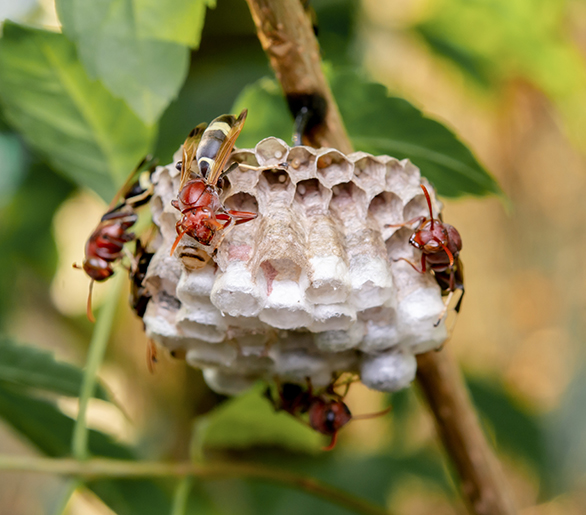
Every summer, Toronto residents are reminded of the sharp buzz and sharper sting of one of the city’s most problematic stinging pests: wasps. Whether hovering near garbage bins in Trinity Bellwoods Park or nesting in porch overhangs in East York, these insects are more than just a nuisance-they’re a public health risk with growing relevance in both residential and commercial settings.
🐝 Common Wasp Species Found in Toronto
Toronto’s urban and suburban landscapes support a range of wasp and hornet species, many of which become increasingly aggressive during late summer as their colonies reach peak population. The most commonly encountered stinging insects include:
| Species | Common Nest Location | Notable Characteristics |
|---|---|---|
| Yellowjackets | Ground voids, wall cavities, attics | Highly aggressive, scavengers |
| Paper Wasps | Eaves, soffits, window frames | Semi-aggressive, umbrella-shaped nests |
| Bald-Faced Hornets | Trees, sheds, building exteriors | Large aerial nests, strong defenders |
Each of these species belongs to the Vespidae family and can establish nests quickly, often in locations with high traffic-leading to increased risk of stings, particularly in areas like High Park, Queen Street patios, and residential backyards.
⚠️ Public Health Risks & Allergic Reactions
Wasps are stinging pests, and unlike bees, they can sting multiple times. While most stings cause localized pain, swelling, and redness, some individuals may experience severe allergic reactions or anaphylaxis, which can be life-threatening without immediate medical attention.
Toronto’s emergency rooms report a spike in wasp-related incidents during the late summer heat, particularly around long weekends when outdoor activities surge. Understanding the signs of an allergic reaction-such as difficulty breathing, swelling of the face or throat, or rapid pulse-is essential for families, especially those with children or elderly members.
🔄 Wasp Seasonality in the GTA
Wasp activity in Toronto typically begins in late spring, accelerates during the peak summer months, and declines after the first frost. Here’s a breakdown:
| Season | Activity |
|---|---|
| Spring (April–June) | Queen wasps emerge, begin nest building |
| Summer (July–August) | Colonies expand rapidly; peak worker population |
| Early Fall (September–October) | Aggression increases; food sources diminish |
| Winter (November–March) | Colonies die off; only queens overwinter |
The climate shift and increasing availability of food waste in urban environments have contributed to longer and more intense wasp seasons, particularly in downtown Toronto, Scarborough, and North York.
⚠️ Aggressive Behaviour & Nest Defense
Wasps will defend their nests aggressively, especially species like yellowjackets and bald-faced hornets. Loud noises, vibrations from lawnmowers or construction, or simply getting too close can trigger a swarm response. This behaviour is particularly dangerous around schoolyards, playgrounds, and outdoor commercial spaces.
Understanding these threats sets the stage for effective wasp control services in Toronto, which include inspection, identification, and nest removal-covered in the following sections.
DIY Wasp Prevention Tips for Toronto Homeowners
While professional wasp control services in Toronto remain the safest and most effective route for nest removal, there are several steps homeowners can take to reduce the likelihood of infestations. Prevention starts with understanding wasp behaviour, removing conducive conditions, and using strategic deterrents-all while minimizing risk to your household.
🧹 Eliminate Attractants
Wasps are highly attracted to sugary residues, proteins, and decaying matter. In neighbourhoods like The Junction, where backyards and barbecues are common, unattended food or improperly sealed trash bins can invite foraging yellowjackets.
Checklist of Common Attractants to Address:
| Attractant | Prevention Strategy |
|---|---|
| Open garbage bins | Use tight-fitting lids and rotate contents regularly |
| Fallen fruit and compost | Clean up yard debris and overripe produce promptly |
| Sugary drinks and food scraps | Avoid leaving plates and cups outside |
| Pet food and water bowls | Remove after feeding; rinse containers |
Regular garbage rotation, drain maintenance, and sanitation review are simple but often overlooked IPM (Integrated Pest Management) practices that help keep stinging pests away.
🏡 Seal Entry Points
Wasps frequently nest inside wall voids, attics, and roofline gaps-especially around eaves, vents, and utility penetrations.
Perform a crack and gap survey in early spring to locate and seal:
-
Soffits and fascia boards
-
Gaps around pipes or electrical outlets
-
Weep holes and foundation wall cracks
-
Openings in sheds or porch ceilings
Use caulking, mesh screens, or weather stripping to close these vulnerabilities. If you’re unsure about structural voids, consult a licensed pest management professional (PMP) for a detailed inspection.
🌿 Natural Deterrents
Several natural repellents can reduce wasp activity without posing risks to pets or children:
-
Clove, geranium, and lemongrass oil mixtures (used in diluted sprays)
-
Peppermint oil applied around entryways
-
Cucumber peels and bay leaves near windowsills
-
Fake nests to deter territorial species like paper wasps
While these environmentally safe methods can help discourage nesting behaviour, they should not be used as substitutes for proper removal or treatment in active infestations.
🧯 DIY Traps & Safe Intervention
Homemade wasp traps-like the inverted soda bottle model baited with sugar water-can reduce forager numbers, but should be placed far from outdoor dining areas to prevent drawing wasps too close to people.
Important Warnings:
-
Never attempt to spray or knock down an active nest without full protective equipment
-
Avoid treatment during peak activity hours (midday heat); choose early morning or evening
-
Do not rely on off-the-shelf insecticides for nests in wall voids-this can push wasps further into the structure
If you discover a nest larger than a golf ball, or in a high-risk area (e.g., near children’s play areas or entryways), it’s time to contact a certified wasp exterminator in Toronto.
🛑 When DIY Isn’t Enough
DIY prevention is about reducing the risk of nesting, but when a colony becomes active, the danger multiplies-especially with aggressive species like bald-faced hornets or yellowjackets. In these cases, treatment by trained technicians using regulated products and safety protocols is not optional-it’s essential.
Professional Wasp Control Services in Toronto
Across Toronto’s diverse neighbourhoods-from Leslieville to Rexdale-professional wasp control services play a vital role in reducing stinging pest threats in both residential and commercial environments. Attempting to remove a wasp or hornet nest without proper equipment or knowledge can result in serious injury, property damage, and in some cases, violations of local regulations. That’s why certified exterminators in the GTA follow detailed protocols, licensed treatments, and risk mitigation strategies to deliver effective nest removal-safely and legally.
🔍 Inspection & Identification: The First Step
Every professional intervention begins with a site assessment. Technicians look for:
-
Wasp species identification (e.g., bald-faced hornet vs. yellow jacket)
-
Nesting location (tree branches, structural voids, attics, or eaves)
-
Colony size and activity level
-
Ingress/egress points used by workers
Visual inspection, paired with tools such as telescopic mirrors or thermal imaging cameras (for wall nests), helps establish a treatment plan. This also includes checking for secondary nests in concealed or adjacent structures, such as sheds or rooflines.
🧪 Application Methods & Safety Measures
Licensed pest control companies in Ontario must abide by Health Canada’s Pest Control Products Act and ensure WHMIS compliance. Common nest elimination methods include:
| Treatment Method | Description | Typical Use Case |
|---|---|---|
| Dusting | Insecticidal dust injected into nests or wall voids | For concealed or high-traffic nests |
| Aerosol Insecticides | Immediate knockdown agents | For smaller or low-risk nests |
| Foaming | Expanding foam to penetrate and seal cavities | For nests in utility boxes, soffits |
| Encapsulation | Sealing treated areas post-elimination | Used when nests are located in inaccessible voids |
The treatment selection depends on nest type, species behaviour, structural location, and environmental risk factors. Safety signage, personal protective equipment (PPE), and re-entry guidelines are all communicated to clients during and after service.
📋 Compliance, Liability, and Legal Coverage
Toronto pest control companies must hold a Structural Applicator License and be prepared to provide documentation such as:
-
MSDS / SDS (Safety Data Sheets) for all products used
-
Health Canada PCP Numbers for approved insecticides
-
Service Logbooks for commercial accounts
-
Client Prep Sheets and Post-Treatment Reports for residential services
In multi-unit dwellings or sensitive accounts-like daycares, restaurants, or medical offices-failure to follow proper REI (Restricted Entry Interval) or Label Compliance can result in fines or legal liability. That’s why expert wasp control services include audit readiness and zero-tolerance protocols in line with municipal health guidelines.
🧠 Why Expertise Matters
Wasp removal is not just about spraying and walking away. Certified professionals:
-
Use species-specific treatments that reduce risk to non-target insects (e.g., bees, pollinators)
-
Track behavioural resistance patterns in urban populations
-
Document biocidal resistance across treatment zones
-
Understand anemotaxis and phototactic response, which affect trap placement and chemical dispersal
Technicians are trained to manage aggressive nest defence, protect occupants and passersby, and respond to emergencies-especially when children, seniors, or individuals with anaphylactic allergies are involved.
Pricing, City By-Laws & Safety Considerations
Hiring a professional for wasp control in Toronto isn’t just about convenience-it’s often a matter of safety and legal compliance. The cost of wasp extermination services can vary depending on the nest size, species, location, and whether the treatment involves multiple visits. But just as important as price is understanding the regulatory environment and safety measures that surround this work-particularly in a city with dense housing, commercial density, and strict health standards.
💵 What Does Wasp Control Cost in Toronto?
Wasp nest removal in Toronto typically falls into the following pricing range:
| Service Type | Typical Cost (CAD) | Factors Affecting Price |
|---|---|---|
| Basic exterior wasp nest removal | $150–$250 | Size, accessibility, species |
| Wall void or attic treatment | $250–$450 | Requires drill & treat, encapsulation, or foam |
| Multi-nest or large property treatment | $400–$800 | Number of nests, building height, safety risk |
| Emergency service or after-hours | +$75–$150 | Time-sensitive risk (e.g., schoolyards, elderly residents) |
Factors that can increase cost:
-
Hard-to-reach locations (e.g., under siding, within soffits)
-
Aggressive species like bald-faced hornets
-
Multi-visit follow-ups to treat secondary nesting
-
Inclusion of client prep sheets, detailed post-treatment reports, or re-entry instructions in sensitive accounts
Keep in mind that pricing often includes inspection, treatment, monitoring, and warranty period. Give GTA Toronto Pest Control a call for a free quote.
🏛️ Toronto Bylaws and Legal Requirements
Pest control operations in Toronto must follow the City of Toronto Municipal Code Chapter 548 on property standards and public safety, which mandates that owners address pest infestations-including wasps-promptly and safely. This is especially important for:
-
Landlords and property managers (responsible for common areas)
-
Food establishments (subject to DineSafe inspections)
-
Healthcare facilities and schools (strict audit and chemical exposure rules)
Did you know? Under provincial pesticide use laws in Ontario, only licensed professionals can apply certain restricted-use insecticides like pyrethroids or foams in wall voids.
🛡️ Safety Protocols for Families, Pets & Businesses
When hiring a professional, homeowners and business owners should expect full compliance with Health Canada regulations, including:
-
PPE worn during treatment
-
Notification of re-entry intervals (often 2–6 hours depending on product used)
-
Chemical Sensitivity Notices posted where applicable
-
MSDS/SDS sheets available on request
-
Client instructions to cover food prep areas, seal pet bowls, and vacate during application
Important: Treatments near schools, playgrounds, or child care centres require additional precautions and may restrict treatment types or timing.
For pet owners, it’s critical to remove animals from treatment zones and ensure they don’t ingest residues. Many modern insecticides are low-odour and non-repellent, but safe usage depends on strict label compliance.
🧾 What You Should Ask Before Hiring
Before booking any wasp control service in the GTA, ask the following:
-
Are your technicians licensed by the Ontario Ministry of the Environment, Conservation and Parks?
-
Do you provide written quotes and service reports?
-
What products do you use, and are they registered with Health Canada?
-
Do you offer a no-wasp guarantee or free callback service?
-
Are your treatments safe for children, pets, and pollinators?
📍 Local Differences: Toronto vs. Surrounding Cities
While Toronto has some of the most robust pest control bylaws in Ontario, cities like Mississauga, Scarborough, and Markham follow similar provincial standards. However, certain local jurisdictions may impose their own public health rules regarding exterior spraying, chemical signage, or wildlife interaction (e.g., if wasps are nesting near protected bird species).
Always confirm that your service provider is familiar with your specific municipality’s rules and is equipped to handle residential, commercial, or multi-unit pest concerns.
Author Bio: Naeem Choudhry
Pest Control Expert
Naeem Choudhry is a seasoned pest control specialist with over 20 years of hands-on experience. Based in Toronto, he stays up to date with the latest industry best practices and is an active member of the National Pest Management Association of Canada.
Known for his practical tips and outstanding customer service, Naeem frequently hosts community workshops where he educates the public on pest identification, behaviour, and effective control methods. When he’s not out in the field, he shares his expertise through articles, educational events, and community outreach initiatives.
For more insights, follow him on x.com.