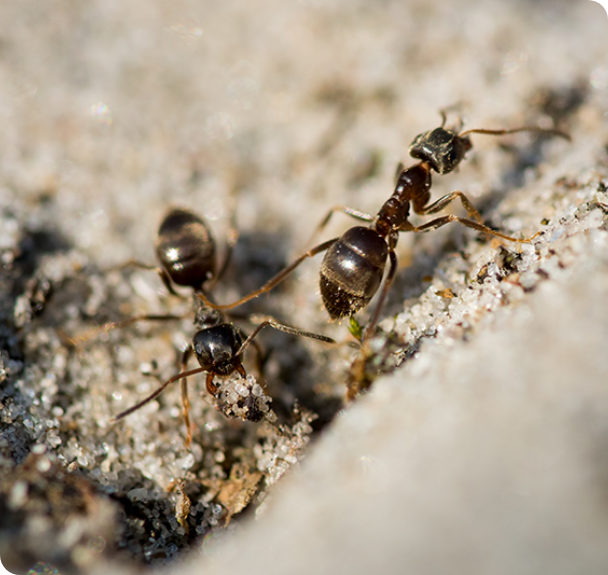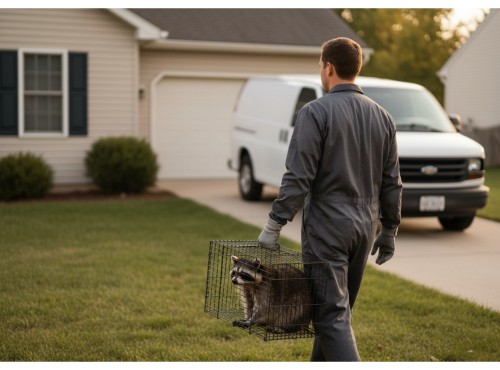
When homeowners hear “carpenter ants,” the first reaction is often confusion or even dismissal. After all, they’re not termites… So how bad can they really be?
The reality is this: carpenter ants can cause serious structural damage over time, especially if the infestation goes unnoticed or untreated. If you’re dealing with an infestation, understanding the true extent of the damage is critical, and why a timely ant carpenter control professional is so important.
Do Carpenter Ants Really Damage Wood?
Yes, but not in the way most people expect.
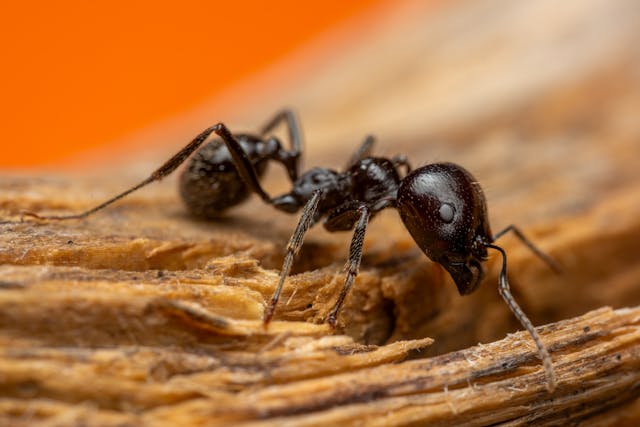
Carpenter ants don’t eat wood like termites. Instead, they excavate it to build their nests. They chew through wood to create smooth tunnels (called galleries) where they live and expand their colony.
While this may seem less destructive than termites, the long-term impact can still be severe. Over time, repeated tunneling weakens the internal structure of wood, reducing its strength and stability.
How Severe Can the Damage Get?
The severity of carpenter ant damage depends on three main factors:
- Length of Infestation
The longer ants are active, the more extensive the damage becomes.
- Early stage: minor tunneling, mostly cosmetic
- Mid stage: noticeable weakening of wood
- Advanced stage: structural compromise of beams and supports
Because carpenter ants often remain hidden inside walls, infestations can go undetected for months, or even years.
- Size of the Colony
Carpenter ant colonies can grow into the thousands.
Larger colonies:
- Expand faster
- Create more tunnels
- Spread into multiple areas of the home
Satellite colonies may also form, meaning multiple nesting sites can exist at the same time—compounding the damage.
- Moisture Conditions
Carpenter ants prefer damp or decaying wood, which is already weakened.
When moisture is present:
- Wood becomes easier to excavate
- Damage progresses more quickly
- Structural integrity declines faster
This is why homes with leaks, poor ventilation, or water damage are at higher risk.
Common Areas Where Damage Occurs
Carpenter ants don’t limit themselves to one location. They often target multiple parts of a home, especially where moisture is present.
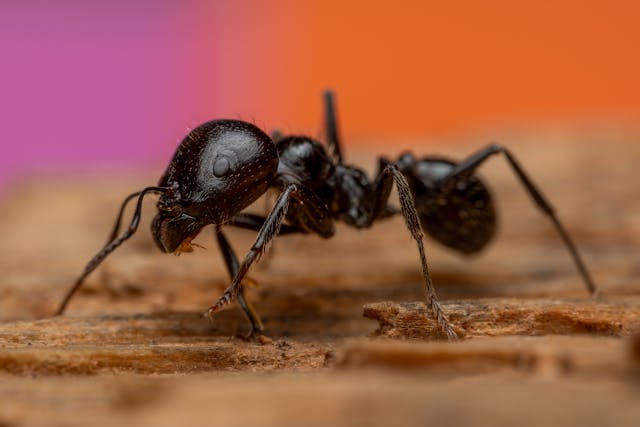 High-risk areas include:
- Basement beams and support structures
- Bathroom walls and subflooring
- Attic rafters and roof framing
- Window and door frames
- Wooden decks and porches
Because much of this damage happens behind walls or under floors, it often goes unnoticed until it becomes serious.
Warning Signs of Structural Damage
Knowing what to look for can help you catch a problem early.
Key indicators include:
- Hollow-sounding wood when tapped
- Small piles of sawdust-like debris (frass)
- Cracked or sagging wooden structures
- Doors or windows becoming misaligned
- Rustling sounds inside walls
In more advanced cases, you may also see large winged ants emerging indoors, an indication of a mature colony.
Can Carpenter Ants Cause Structural Failure?
In extreme cases, yes.
While carpenter ants don’t usually destroy a home as quickly as termites, prolonged infestations can significantly weaken structural components.
This can lead to:
- Sagging floors or ceilings
- Compromised load-bearing beams
- Increased risk during heavy snow or storms
Older homes are particularly vulnerable, as the wood may already be weakened by age or moisture.
The Financial Impact of Carpenter Ant Damage
One of the biggest concerns for homeowners is cost.
Carpenter ant damage can result in:
- Expensive structural repairs
- Replacement of damaged wood
- Ongoing pest control treatments
Even more concerning: most homeowners’ insurance policies do not cover damage caused by pests. This means all repair and treatment costs come out of your pocket.
Why DIY Solutions Aren’t Enough
Many homeowners try to handle carpenter ants with sprays or traps.
While these may kill visible ants, they don’t address the root of the problem.
- The queen remains active
- Hidden colonies continue to grow
- Damage progresses behind the scenes
In some cases, DIY treatments can even cause colonies to split, spreading the infestation further.
Professional Treatment Is Key
To stop structural damage, you need to eliminate the entire colony, not just the ants you see.
Professional pest control includes:
- Accurate identification of carpenter ants
- Locating primary and satellite nests
- Targeted treatment to eliminate the queen
- Recommendations to address moisture issues
This comprehensive approach ensures both the infestation and the conditions causing it are resolved.
So in short, how bad is the structural damage from carpenter ants? It can range from minor cosmetic issues to serious structural weakening, depending on how long the infestation is allowed to continue.
What makes carpenter ants particularly dangerous is their ability to stay hidden while causing damage over time. If you suspect an infestation, acting quickly is essential. Early intervention not only protects your home’s structure but also saves you from costly repairs down the line.
Ignoring the problem won’t make it go away, it will only give it time to grow. Contact GTA Toronto Pest Control to get rid of carpenter ants from your home today!