
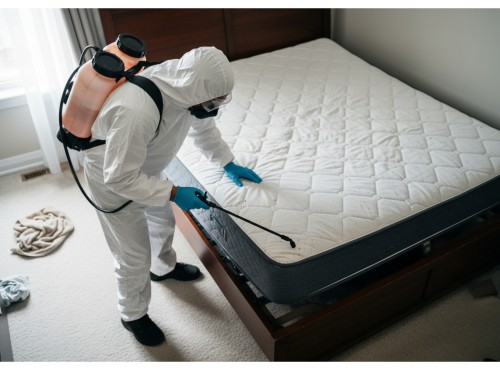
Bed bugs have re-emerged as one of Toronto’s most stubborn urban pests, affecting residents across high-density areas and multi-unit dwellings. According to Health Canada and data shared through the National Pest Management Association (NPMA), urban centres like Toronto continue to experience increased reports of Cimex lectularius infestations, particularly in apartment complexes, hotels, and transit-connected neighborhoods.
Infestations have been frequently reported near well-known intersections such as Queen Street & Spadina Avenue and Jarvis & Carlton Street, areas characterized by high residential turnover and mixed-use housing. PMP professionals in these zones often note that bed bug resurgence correlates with increased travel, used furniture exchanges, and reduced pest monitoring during seasonal shifts.
Public awareness efforts by Toronto Public Health have focused on education around early detection, safe treatment practices, and when to contact a licensed pest management professional (PMP). The city’s campaigns near landmarks like High Park and Eaton Centre emphasize practical measures such as regular inspection of mattresses, furniture, and baseboards.
Despite widespread access to information, many residents underestimate the resilience of bed bugs. Their cryptic, thigmotactic behavior, seeking tight spaces in walls, seams, and bed frames, makes professional intervention essential. Local extermination firms across the GTA continue to apply Integrated Pest Management (IPM) principles, combining chemical, thermal, and mechanical methods to mitigate this growing challenge in both residential and commercial environments.
Cost and Methods of Removal
Toronto’s pest management professionals (PMPs) employ a range of specialized bed bug extermination services designed to address infestations of all sizes, from single-family homes to high-rise apartment units and hospitality facilities. The most effective treatments rely on Integrated Pest Management (IPM) principles, combining inspection precision, treatment diversity, and follow-up monitoring for long-term control.
Professional Methods of Removal
- Heat Treatment (Thermal Remediation):
One of the most effective non-chemical options, heat treatment raises room temperatures above 50°C to kill all bed bug life stages, including eggs. Certified PMPs use commercial-grade heaters and sensors to maintain uniform heat distribution. This method is especially preferred in residential and hospitality sites near Yonge & Dundas Square and Queen Street West, where minimal chemical use is valued. - Chemical and Residual Applications:
Licensed technicians apply Health Canada–registered insecticides such as Microencapsulated (ME), Suspension Concentrate (SC), and Emulsifiable Concentrate (EC) formulations. These ensure both contact kill and residual protection, eliminating bed bugs that emerge post-treatment. Products are selected according to WHMIS and Health Canada PCP Number regulations to guarantee safety and compliance. - Vacuum and Steam Treatments:
High-efficiency vacuum removal and steam applications target visible bed bugs, frass, and eggs along mattress seams, bed frames, and baseboards. This method is often used as a preparatory step before chemical treatment to improve penetration and effectiveness. - Encasement and Monitoring:
PMPs recommend mattress encasements, glue boards, and monitoring devices to detect residual activity. Some companies in the GTA also employ canine detection services to confirm eradication.
Average Cost of Bed Bug Extermination in Toronto
Pricing varies based on infestation severity, treatment method, and property type. The following estimates reflect averages reported by licensed pest control operators in Toronto:
| Service Type | Approximate Cost (CAD) | Treatment Frequency |
| Heat Treatment | $1,200 – $2,800 per unit | Typically one visit, follow-up inspection |
| Chemical Treatment (Residual/Contact) | $350 – $800 per unit | 2–3 visits for complete eradication |
| Steam & Vacuum Treatment | $300 – $600 per room | Often combined with other methods |
| Full Property IPM Program | $1,500 – $4,000+ | Multi-unit or commercial properties |
Costs may be higher in central zones such as Bay & Bloor, Queen & Bathurst, or Spadina & College, where dense housing and shared utilities increase pest migration risks.
Choosing the Right Extermination Partner
A professional exterminator should hold a valid Structural Applicator License under the Ontario Ministry of the Environment, Conservation and Parks. Always request documentation confirming WHMIS compliance, MSDS readiness, and a clear service agreement outlining treatment steps, re-entry times, and follow-up inspections.
Toronto residents are encouraged to consult experienced pest management providers who use biorational pesticides and rotational chemistry programs to reduce resistance development in local bed bug populations.
For detailed estimates and tailored treatment options, contact GTA Toronto Pest Control for an on-site inspection and quote.
How to Get Rid of Bed Bugs: Practical DIY Advice for Toronto Residents
While professional pest management remains the most reliable method for eliminating Cimex lectularius, Toronto residents can take several DIY steps to reduce infestations and prevent bed bugs from spreading between rooms or units. These actions are especially helpful in early detection or while awaiting a scheduled PMP (Pest Management Professional) service visit.
- Identify and Inspect Early
Early detection is critical. Begin with a visual inspection of sleeping areas, headboards, baseboards, and upholstered furniture. Look for reddish-brown staining, eggs, or exoskeletons along seams. Focus on high-risk zones in multi-unit dwellings near Jarvis & Carlton Street, Dufferin & Queen Street, and Parliament & Dundas Street, where bed bugs are often reported due to building density.
A flashlight and magnifying lens can assist in locating insects within cracks or mattress tufts. If uncertain, residents may hire certified canine detection services for verification.
- Declutter and Contain
Bed bugs thrive in cluttered environments, hiding in small crevices and folds. Reduce harborage sites by:
- Sealing clothing and linens in plastic bags before washing.
- Avoiding movement of infested furniture to prevent spread.
- Vacuuming thoroughly with a HEPA-filter vacuum, focusing on baseboards, outlets, and furniture joints.
Dispose of vacuum contents in sealed bags immediately after cleaning.
- Launder and Heat
Wash infested textiles, bedding, and curtains in hot water (minimum 60°C) and dry on the highest setting for at least 30 minutes. Heat exposure kills all life stages. For non-washable items, portable heat chambers or dryers are effective alternatives. Avoid DIY pesticide sprays not labeled for bed bug control, as they can be hazardous and may drive bed bugs deeper into walls.
- Steam and Isolation
A domestic steam cleaner can help in localized infestations by penetrating seams and cracks where bed bugs hide. Maintain surface temperatures above 50°C for effective control. Follow with mattress encasements to trap remaining insects and block re-infestation.
- Prevent Reinfestation
Reinfestation risk is high in urban cores like Queen Street West, Kensington Market, and near High Park, where frequent tenant turnover and travel increase exposure. Preventive actions include:
- Regular inspection after travel or guest stays.
- Avoiding curbside or second-hand furniture without treatment.
- Installing monitoring traps or interceptor cups under bed legs.
- Performing routine vacuuming and periodic inspection of sleeping quarters.
- Know When to Call a Professional
DIY methods can reduce minor infestations but rarely eliminate all life stages. Bed bugs’ thigmotactic behavior, tendency to hide deep within cracks, makes them difficult to eradicate without integrated treatments. If bites persist or activity is detected after multiple cleaning cycles, contact a licensed exterminator for a structural inspection and treatment plan.
Professionals use Residual Sprays, Heat Treatments, and Dusting Applications that meet Health Canada and WHMIS safety standards. They can also issue a Post-Treatment Report confirming eradication.
Toronto Case Studies and Local Infestation Insights
Toronto’s ongoing bed bug challenge has produced a number of documented cases across key neighbourhoods, offering valuable insights into infestation trends, treatment effectiveness, and public response. While Health Canada and Toronto Public Health continue to emphasize prevention and early reporting, real-world cases demonstrate the persistence and adaptability of these pests in high-traffic environments.
Case Study 1: Queen Street West – Multi-Unit Residential Infestation
In a mixed-use residential building near Queen Street West and Bathurst Street, tenants began reporting bites and spotting insects along baseboards and bed frames. A site assessment by a licensed PMP (Pest Management Professional) revealed widespread bed bug activity in both private and common areas, including laundry rooms and shared lounges.
The treatment strategy followed a comprehensive Integrated Pest Management (IPM) protocol. Vacuum removal, steam applications, and crack and crevice treatments using Microencapsulated (ME) and Suspension Concentrate (SC) formulations were conducted. Follow-up monitoring confirmed full elimination after three service visits over a four-week period.
Resident feedback highlighted the importance of tenant preparation, including decluttering and laundering. Tenants who complied with pre-treatment checklists saw faster recovery times and minimal recurrence.
Case Study 2: Bay & Bloor – Boutique Hotel Outbreak
A hospitality property near Bay Street and Bloor Street reported recurring bed bug sightings across multiple guest rooms. The hotel management initiated an emergency response with a certified Structural Applicator, focusing on localized treatments, heat remediation, and encasement installation for all bedding.
The PMP team used thermal remediation combined with residual insecticides labeled under Health Canada PCP Numbers to ensure regulatory compliance. Staff received sanitation review training and were issued room inspection checklists to integrate pest monitoring into daily housekeeping.
Post-treatment inspection logs showed complete elimination within two weeks. Management also introduced monthly monitoring traps to prevent future introductions. Guest satisfaction surveys indicated a return to normal occupancy levels shortly after clearance confirmation.
Case Study 3: University Housing near Spadina & College
Student residences near Spadina Avenue and College Street reported bed bug activity in dormitory units, prompting a full building assessment. The infestation originated from furniture transfer between students during summer move-ins.
An inspection and monitoring plan identified the presence of both adult bed bugs and eggs across several floors. The PMP implemented a two-phase chemical and steam treatment, applying Residual Sprays and Vacuum Removal before sealing structural voids and electrical outlets.
Education sessions led by university housing staff emphasized early reporting, clutter reduction, and personal item containment. The collaborative approach between property management and pest control contractors reduced infestation spread and improved response times for subsequent incidents.
High-Risk Sectors and Local Insights
Toronto’s hospitality, student housing, and healthcare sectors remain among the most vulnerable due to high occupant turnover and frequent external contact. Hospitals near University Avenue and long-term care facilities in Etobicoke have adopted Zero Tolerance Zone policies, requiring immediate intervention upon detection.
Across all case studies, treatment outcomes were most successful when residents, facility managers, and PMPs maintained continuous monitoring, adhered to post-treatment procedures, and scheduled follow-up inspections. These experiences underscore that while bed bugs are resilient, consistent IPM protocols and tenant cooperation lead to sustainable long-term control.
Quick FAQs for Toronto Residents
- How much does bed bug extermination cost in Toronto?
The cost varies depending on infestation size, location, and treatment type. On average, chemical treatments range from $350 to $800 per unit, while heat treatments typically cost $1,200 to $2,800. Multi-unit or commercial properties may require a full Integrated Pest Management (IPM) program starting around $1,500. - How long does bed bug treatment take?
Most infestations require two to three visits over a three-to-four-week period to ensure all life stages are eliminated. Heat treatments often provide faster results within a single session, while chemical treatments need time to target eggs and newly hatched nymphs. - Is bed bug treatment safe for people and pets?
Yes, when conducted by a licensed Pest Management Professional (PMP). All products used in Toronto are Health Canada–approved and applied under strict WHMIS compliance. Residents are advised to follow re-entry timelines provided by technicians and avoid treated surfaces until the specified Restricted Entry Interval (REI) has passed. - Can bed bugs return after treatment?
Recurrence is possible if infested items are reintroduced or if surrounding units remain untreated. To minimize reinfestation, conduct regular inspections, use mattress encasements, and maintain clutter-free spaces. Follow-up monitoring visits by professionals can verify complete elimination. - Can I get rid of bed bugs myself?
DIY measures like vacuuming, steam cleaning, and laundering can help reduce activity but rarely eliminate an infestation entirely. Bed bugs hide in deep structural voids, requiring professional tools, residual insecticides, and thermal remediation to achieve full control. - How soon should I call a professional?
Contact a licensed exterminator as soon as bites, shed skins, or live insects are detected. Early intervention prevents infestations from spreading to neighbouring units and reduces overall treatment costs. - What if I live in a rental property?
In Toronto, landlords are legally responsible for maintaining pest-free living conditions. Tenants should report suspected infestations promptly. Professional inspection and documentation help ensure compliance with the Residential Tenancies Act.
Protecting Toronto Homes and Businesses
Bed bugs remain one of Toronto’s most persistent urban challenges, affecting residential buildings, commercial properties, and hospitality spaces across the city. From downtown high-rises near Queen Street West to older apartment complexes in Jarvis & Carlton and retail corridors around Bay & Bloor, infestations can spread rapidly without consistent vigilance.
The key to maintaining a pest-free environment lies in proactive pest management. Regular inspections, clutter reduction, and Integrated Pest Management (IPM) protocols are critical preventive measures that keep infestations from taking hold. For property owners and managers, scheduling routine monitoring and implementing early detection programs can protect both structural integrity and tenant well-being.
Community awareness also plays a vital role. When residents share information, report issues promptly, and follow professional recommendations, infestations can be contained before spreading to neighbouring units. Schools, healthcare facilities, and businesses that maintain zero-tolerance pest policies contribute to a safer and healthier Toronto overall.
Every home and business, whether near High Park, Eaton Centre, or Kensington Market, benefits from a strategic, informed approach to pest control. Working with licensed pest management professionals ensures treatments meet Health Canada and WHMIS standards, protecting families, staff, and guests from unnecessary exposure.
For trusted service and proven results, contact GTA Toronto Pest Control. Their experienced technicians provide discreet inspections, certified treatments, and comprehensive follow-up programs to safeguard Toronto’s homes and businesses year-round.
Author Bio: Naeem Choudhry
Pest Control Expert
Naeem Choudhry is a seasoned pest control specialist with over 20 years of hands-on experience. Based in Toronto, he stays up to date with the latest industry best practices and is an active member of the National Pest Management Association of Canada.
Known for his practical tips and outstanding customer service, Naeem frequently hosts community workshops where he educates the public on pest identification, behaviour, and effective control methods. When he’s not out in the field, he shares his expertise through articles, educational events, and community outreach initiatives.
For more insights, follow him on x.com.