
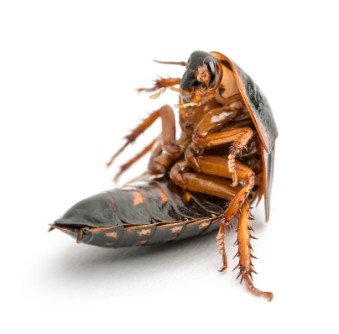
Cockroaches in your home, condo, or business isn’t just an inconvenience—it’s a potential health hazard that can spread rapidly if left untreated. These resilient pests thrive in both residential and commercial properties throughout the Greater Toronto Area (GTA), from downtown Parkdale and Scarborough to suburban neighbourhoods in Etobicoke, Richmond Hill, and Mississauga.
In this comprehensive guide, we explain:
-
How to identify the signs of an infestation
-
What causes cockroach problems
-
Costs and effectiveness of extermination services
-
Long-term prevention strategies
-
And two case studies from real GTA properties
Understanding Cockroaches
Cockroaches are nocturnal insects that multiply quickly, hide well, and can survive under tough conditions. Once they settle in, they’re extremely difficult to remove without professional help.
Common Species in Toronto:
-
German cockroach: small, tan with two dark stripes; fast breeders; usually found in kitchens, bathrooms, and apartments
-
American cockroach: larger, reddish-brown; prefers warm, moist spaces like basements and boiler rooms
-
Oriental cockroach: shiny, black or very dark brown; common in sewers and damp crawl spaces
You’ll typically find them hiding under appliances, inside cupboards, cracks in walls, and baseboards.
Signs of an Infestation
Residents often notice cockroach activity in high-density buildings and older homes with moisture problems or gaps in doors and windows.
Key indicators:
-
Live or dead cockroaches, especially at night
-
Small, black faeces (similar to coffee grounds)
-
Oval-shaped egg cases (oothecae) hidden in warm places
-
Musty odours, especially near heat sources
-
Smear marks or dirt trails on walls, floors, or appliances
If you’re in a multi-unit building in St. James Town, High Park, or near Dundas Street, cockroaches can move through shared walls, vents, or under doors—spreading from unit to unit.
Health Risks of a Cockroach Problem
Cockroaches are more than unpleasant—they can spread disease, trigger allergies, and contaminate food.
Common health concerns:
-
Bacteria such as salmonella and E. coli
-
Asthma and respiratory problems, especially in children
-
Skin rashes or allergic reactions to shed body parts or droppings
-
Risk of dysentery or gastrointestinal illnesses from contaminated food
In environments like restaurants, hospitals, hotels, or daycares, cockroach sightings must be reported and resolved immediately.
What Causes Cockroach to Invade?
Toronto’s urban density, aging infrastructure, and warm indoor conditions create ideal environments for roaches to thrive year-round.
Cockroaches are attracted to:
-
Food scraps on counters or floors
-
Dirty dishes left overnight
-
Garbage bins with no lids
-
Excess moisture under sinks or from leaky pipes
-
Clutter and cardboard boxes
They can enter through cracks in foundations, basement windows, or even grocery bags.
How to Get Rid of Cockroaches: Professional vs DIY
DIY Methods:
Some homeowners try using:
-
Store-bought gel baits or roach sprays
-
Natural repellents like boric acid, diatomaceous earth, or essential oils
-
Sealing off entry points and improving sanitation
While DIY tactics may reduce activity, they rarely eliminate entire populations, especially if egg cases remain hidden.
Professional Pest Control:
Hiring a licensed exterminator is the most effective solution for large or persistent infestations.
They use:
-
Insecticide sprays approved for indoor use
-
Gel baits and feeding stations in hard-to-reach areas
-
Crack and crevice applications
-
Integrated Pest Management (IPM) strategies
-
Follow-up visits for long-term elimination
Case Study: Parkdale Apartment
Location: Queen Street West, Parkdale
Problem: A tenant reported seeing cockroaches in their kitchen and bathroom, especially at night. The landlord received complaints from other units as well.
Inspection:
-
German cockroach infestation confirmed.
-
Egg cases found behind the fridge, in cabinets, and under the bathroom sink.
Action Taken:
-
Residents received a preparation checklist (removing food, cleaning surfaces).
-
A licensed exterminator applied gel bait and insecticide along baseboards.
-
Follow-up visit scheduled after 14 days.
Results:
-
80% reduction in sightings after the first visit.
-
Full elimination after the second treatment.
-
The landlord now uses monthly inspections for prevention.
Preventing Future Infestations: Best Practices
Once cockroaches are gone, it’s important to stay proactive.
Prevention Tips:
-
Keep your kitchen clean and dry
-
Seal cracks around doors, windows, and walls
-
Store food in sealed containers
-
Take out garbage daily
-
Fix leaks and remove standing water
-
Avoid cardboard storage, which they like to hide in
-
Don’t leave pet food out overnight
-
Inspect secondhand appliances or furniture before bringing them home
Residents of condos in Yonge and Eglinton, homes in Markham, and older buildings in Oshawa often face recurring infestations if these steps are skipped.
Choosing the Best Pest Control Company in Toronto
Look for providers that are:
-
Licensed and insured in Ontario
-
Offer follow-up visits and customized plans
-
Use low-toxicity products and respect human/pet safety
-
Have experience with urban infestations
-
Provide clear preparation instructions
Many companies serve Toronto, Mississauga, Oakville, Ajax, Aurora, and Vaughan, and have dedicated teams for residential and commercial work.
What to Expect After Treatment
Cockroaches may still be seen for up to two weeks after a successful treatment—this is normal as the pests ingest the baits and insecticides.
Post-treatment reminders:
-
Don’t use bleach or cleaning sprays near bait stations.
-
Continue vacuuming and wiping down surfaces.
-
Report rebound activity to your exterminator.
If live roaches persist beyond 21 days, schedule a follow-up inspection immediately.
Final Thoughts: Don’t Wait Until It Gets Worse
Cockroach Infestations are a serious issue in Toronto, but with the right knowledge and support, they are manageable. Early detection, professional help, and diligent prevention are key to keeping your home or business clean, safe, and bug-free.
Whether you’re in a condo on Bay Street, a restaurant in Kensington Market, or a semi-detached home in East York, cockroaches don’t care where you live—if they find food, water, and warmth, they will move in.
So if you’re dealing with cockroaches, don’t wait.
Contact a licensed pest control company today:
-
Schedule an inspection
-
Prepare your space
-
Follow through with the treatment plan
-
Take preventive measures to ensure they don’t return
Your home, health, and peace of mind are worth it.
Common Cockroach Species in Urban Areas
Several species of cockroaches are frequently encountered in urban settings. Each type has distinct characteristics and behaviors. Here’s a closer look at the most prevalent species:
| Species | Appearance | Preferred Habitat |
|---|---|---|
| German Cockroach | Light brown with two dark stripes on the back | Warm, humid areas such as kitchens and bathrooms |
| American Cockroach | Large, reddish-brown with a yellowish margin on the thorax | Basements, sewers, and drains |
| Oriental Cockroach | Dark brown to black, shiny body | Cool, damp areas like basements and crawl spaces |
Identifying Signs of an Infestation
Early detection is key to effective management. Here are some indicators that may suggest a cockroach issue:
- Droppings resembling black pepper or coffee grounds
- Egg cases (oothecae) that are brown and oval-shaped
- Unpleasant, musty odors in living spaces
- Visible cockroaches, especially at night when they are most active
Effective Management Strategies
Once you suspect a cockroach presence, it’s essential to take action. Here are some effective strategies to consider:
- Maintain Cleanliness: Regularly clean surfaces, store food in airtight containers, and promptly dispose of garbage to eliminate food sources.
- Seal Entry Points: Inspect your home for gaps around windows, doors, and pipes, and seal them to prevent cockroaches from entering.
- Utilize Traps and Baits: Employ cockroach traps and baits to monitor and reduce the population. Place them in areas where you’ve noticed activity.
- Seek Professional Assistance: If the problem persists, consider hiring a licensed pest control expert who can provide targeted treatments and long-term solutions.
The Role of Professional Pest Control Services
While DIY methods can be effective for minor issues, professional pest control services offer expertise and access to advanced treatments that can eliminate cockroaches more efficiently. Exterminators can also provide valuable insights into preventing future infestations, ensuring your home remains pest-free.
Preventive Measures to Avoid Infestations
Preventing a cockroach infestation is often more effective than dealing with one after it occurs. Here are some proactive measures you can take:
- Regular Inspections: Conduct routine checks in your home, especially in areas prone to moisture, such as kitchens and bathrooms.
- Proper Food Storage: Store food in sealed containers and avoid leaving pet food out overnight.
- Maintain Landscaping: Keep outdoor areas tidy by trimming bushes and removing debris that could harbor pests.
- Monitor Water Sources: Fix leaky faucets and pipes to eliminate water sources that attract cockroaches.
Pros and Cons of DIY vs. Professional Pest Control
When it comes to managing cockroach issues, homeowners often face the decision of whether to tackle the problem themselves or hire a professional. Here’s a breakdown of the pros and cons of each approach:
| Method | Pros | Cons |
|---|---|---|
| DIY Methods |
|
|
| Professional Pest Control |
|
|
Key Takeaways for Effective Cockroach Management
To effectively manage cockroach issues, keep these key points in mind:
- Identify the species of cockroach to tailor your control methods effectively.
- Maintain a clean environment to deter pests from entering your home.
- Utilize a combination of DIY methods and professional services for the best results.
- Stay vigilant and proactive in monitoring for signs of infestation.
Cockroach management requires a comprehensive approach that combines prevention, identification, and effective control strategies. By understanding the behaviours of these pests and implementing the right measures, you can protect your home from infestations and ensure a healthier living environment. Whether you choose to tackle the problem yourself or enlist the help of professionals, staying informed and proactive is key to successful pest management.
Author Bio: Naeem Choudhry
Pest Control Expert
Naeem Choudhry is a seasoned pest control specialist with over 20 years of hands-on experience. Based in Toronto, he stays up to date with the latest industry best practices and is an active member of the National Pest Management Association of Canada.
Known for his practical tips and outstanding customer service, Naeem frequently hosts community workshops where he educates the public on pest identification, behaviour, and effective control methods. When he’s not out in the field, he shares his expertise through articles, educational events, and community outreach initiatives.
For more insights, follow him on x.com.