Keeping Toronto Properties Free from Rodent Intrusions

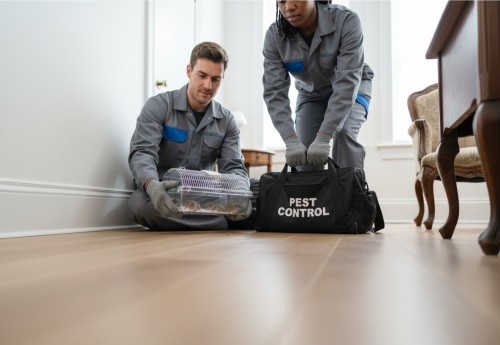
Two pest control technicians indoors, one holding a cage trap with captured rodents.

Across Toronto and the Greater Toronto Area, property owners and facility managers continue to experience a steady rise in rodent activity. Data from the National Pest Management Association (NPMA) confirms that major Canadian cities, including Toronto, have recorded a consistent increase in mouse-related service calls. Health Canada’s Pest Management Regulatory Agency (PMRA) reports a notable uptick in licensed rodenticide applications throughout Ontario, which reflects the growing need for professional interventions in densely developed districts.

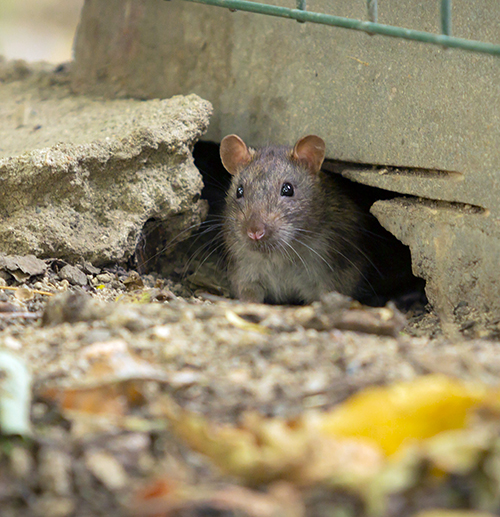
Toronto’s infrastructure contributes heavily to this trend. The city’s extensive network of basements, utility tunnels, and older housing stock creates ideal harborage for commensal rodents such as Mus musculus (house mice) and Peromyscus maniculatus (deer mice). Seasonal fluctuations in temperature drive these small mammals indoors during colder months, where they seek warmth and readily available food.

In high-density areas, such as Queen Street & Spadina Avenue, Yonge Street & Dundas Street, and Jarvis Street & Carlton Street, licensed pest management professionals (PMPs) routinely respond to repeat infestations. Structural voids, aging foundations, and the proximity of food service establishments make these corridors particularly vulnerable. Similar activity has been recorded in mixed-use neighborhoods like Kensington Market, The Annex, and Parkdale, where the combination of historical architecture and urban waste sources supports recurring rodent incursions.

Even high-profile landmarks, including the St. Lawrence Market and the Eaton Centre, occasionally experience rodent infiltration. These sites, with continuous public activity and large waste output, highlight the challenges of maintaining pest-free environments in the city’s most visited spaces.


Evolving Pest Management Practices

As rodent pressure intensifies, pest management strategies in Toronto have evolved to incorporate Integrated Pest Management (IPM) methodologies emphasizing safety, precision, and sustainability. Modern service providers now combine habitat modification, exclusion work, and targeted baiting systems to deliver long-term control.

Under the IPM framework, licensed technicians evaluate both environmental and behavioural factors before recommending any treatment. Mechanical trapping, rodent-proofing, and non-chemical deterrents often serve as the first line of defense, reserving rodenticides only for persistent or widespread infestations. This layered approach aligns with both NPMA and CPMA guidelines, ensuring that treatments meet ethical and ecological standards while minimizing risks to people, pets, and non-target wildlife.

The integration of technology has further strengthened control programs. Digital monitoring devices, equipped with data transmission capabilities, now allow PMPs to record and analyze activity patterns in real time. This information supports trend analysis and enables timely corrective actions, particularly in high-traffic commercial zones.

Professional Inspection and Site Assessment

Effective rodent management begins with a thorough inspection. Certified technicians perform a detailed site assessment, identifying harborage sites, ingress points, and food or moisture sources that support infestations. Visual inspections and crack-and-gap surveys are standard practices, along with moisture readings to evaluate conducive conditions.

Common ingress points include foundation cracks, utility penetrations, and door thresholds. Older commercial and residential structures near intersections such as Bathurst Street & Queen Street or Jarvis Street & Carlton Street often reveal hidden entry routes within walls or ceiling voids. Identifying these vulnerabilities allows technicians to apply targeted exclusion measures. This is an essential step before introducing mechanical or chemical controls.

During the assessment, pest pressure is evaluated to determine infestation severity. In moderate to heavy cases, PMPs may supplement physical controls with baiting systems or microencapsulated formulations (ME) approved by Health Canada. Each treatment is applied under the supervision of licensed structural applicators to maintain compliance with provincial safety regulations.

Core Control Techniques in Toronto

Modern rodent control in Toronto integrates multiple treatment modes that collectively reduce population density and prevent reinfestation. The following strategies represent the most common professional applications in both residential and commercial settings:

Mechanical Control

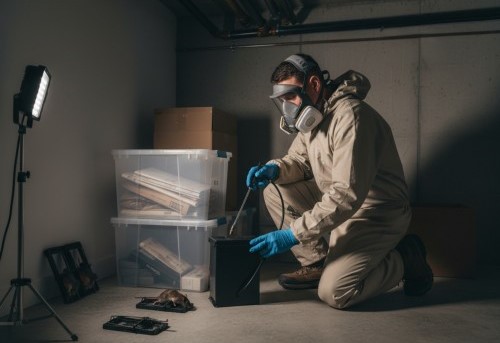
Technicians deploy snap traps, multi-catch traps, and tamper-resistant bait stations along known rodent runways. Placement relies on behavioural understanding, including thigmotactic behavior, which describes the tendency of mice to move along edges and enclosed spaces. By positioning devices near rubbing marks and along structural paths, capture rates improve while minimizing the need for chemical exposure.

Chemical Control

When mechanical and exclusion efforts prove insufficient, PMPs may introduce rodenticides in tamper-resistant enclosures. Health Canada’s PCP-registered baits are used exclusively, following prescribed label rates and Restricted Entry Interval (REI) requirements. Many Toronto operators now use biorational pesticides, which reduce secondary poisoning risks to urban wildlife such as songbirds and raccoons.

Exclusion and Proofing

Structural reinforcement remains the most sustainable element of IPM. Common techniques include sealing gaps with steel mesh, applying caulking compounds around foundation cracks, and installing door sweeps or vent covers. In areas near restaurants or waste storage, exclusion work may extend to enclosing garbage bins and trimming vegetation that provides cover.

Monitoring and Follow-up

Monitoring devices, glue boards, and tracking powder help measure ongoing activity. Follow-up visits typically occur two to three weeks after treatment initiation to verify progress and assess residual pressure. The use of trend analysis reports ensures each site remains under surveillance until all signs of infestation are eliminated.


Service Costs and Program Options

Professional mouse management programs in Toronto vary by property type, infestation scale, and service frequency. Costs also depend on the number of follow-up visits, the degree of structural access (attics, basements, crawl spaces), and the presence of food preparation zones.

Below is a restructured summary of typical pricing and service inclusions from established pest management firms across the GTA:

Service Type Average Cost (CAD) Scope of Work and Inclusions
Residential Inspection & Treatment $250–$400 Full inspection, targeted baiting, minor exclusion sealing, and technician report.
Comprehensive Extermination Program $400–$750 Multi-zone trapping, bait station deployment, and follow-up monitoring visits.
Commercial Property Program $500–$1,200+ Facility-wide inspection, sanitation review, rodent-proofing, and documentation for audit readiness.
Preventive Maintenance Plan (Monthly) $75–$150 per visit Ongoing inspection, device checks, seasonal adjustments, and documentation updates.

While pricing offers a general benchmark, each property requires a site-specific plan developed after assessment. Some providers offer service guarantees of 30 to 90 days, reflecting confidence in their inspection and proofing work.


Compliance and Ethical Standards

All rodent management in Toronto operates under Health Canada’s Pest Control Products (PCP) regulations, ensuring that every bait, formulation, and device meets federal safety requirements. Licensed structural applicators must adhere to WHMIS labeling standards and maintain accurate service logs as part of regulatory compliance.

Many service providers align their methods with the Ministry of Natural Resources and Forestry (MNRF) guidelines, prioritizing humane practices and ecological responsibility. In sensitive areas such as food service venues, healthcare facilities, and heritage buildings, technicians implement Zone Isolation Protocols to prevent contamination and ensure public safety.

Audit readiness is a growing requirement among commercial clients, particularly in hospitality and retail sectors. Facilities located near Yonge Street & Dundas Square or University Avenue & Dundas Street often maintain quarterly pest management programs to comply with health inspection standards. These programs combine exclusion work, sanitation reviews, and consistent documentation, making pest prevention a continuous process rather than a reactive measure.


Long-Term Prevention and Habitat Management

Sustained rodent control in Toronto depends not only on immediate elimination but on strategic prevention. Once the initial infestation is resolved, ongoing habitat modification ensures the property remains less attractive to mice and other commensal rodents.

Technicians recommend continued surveillance of structural vulnerabilities, especially in basements, crawl spaces, and food storage zones. Simple but essential measures—such as storing dry goods in sealed containers, repairing utility penetrations, and maintaining consistent sanitation—significantly reduce the likelihood of re-entry.

Integrated Pest Management (IPM) emphasizes prevention as its foundation. Following Health Canada and NPMA guidelines, PMPs encourage clients to integrate exclusion work with regular monitoring. By reinforcing walls, replacing worn weather stripping, and sealing wall voids, residents can prevent mice from regaining access. These small adaptations produce lasting results, especially in older Toronto neighborhoods where architectural features offer numerous harborages.

Rodent populations are highly adaptable. A single female house mouse can produce up to eight litters per year, with each litter averaging six offspring. This reproductive potential means that even a minor oversight can allow reinfestation within weeks. Effective prevention programs therefore rely on ongoing inspection, particularly after seasonal temperature drops that encourage rodent migration indoors.


Technician Insights and On-the-Ground Realities

Toronto pest management technicians report that mouse behavior has shifted over the past decade. Urban construction projects, coupled with mild winters, have disrupted established rodent populations and forced displacement into nearby residential and commercial properties.

One senior PMP noted that recent construction along King Street and Liberty Village correlated with increased calls within adjacent retail zones. As older underground nesting sites become disturbed, rodents often move toward heated structures with accessible waste and water sources.

Technicians also observe that house mice display notable thigmotactic behaviour, frequently traveling along baseboards, pipes, and conduits. These patterns inform trap placement and exclusion work. Understanding such behavioural cues allows for non-chemical control whenever possible, aligning with both Health Canada’s ecological priorities and the Ministry of Natural Resources and Forestry’s humane treatment policies.

Another trend noted by Toronto-based PMPs involves nocturnal feeding patterns influenced by urban lighting. Areas near Queen Street & Bathurst Street or Dundas Street & Ossington Avenue exhibit increased night-time activity, likely tied to restaurant operating hours and food waste exposure. Service providers in these corridors often schedule treatments outside business hours to minimize disruption and maintain compliance with WHMIS safety requirements.


Case Observations Across the GTA

Pest management professionals in Toronto report that the distribution of rodent activity often correlates with specific urban environments.

  • Downtown Core (Yonge-Dundas to University Avenue): Frequent commercial infestations associated with food service waste and aging basements.
  • Kensington Market and Parkdale: Mixed-use properties with shared walls and historic construction materials that facilitate rodent movement between units.
  • East Toronto (Cabbagetown and Riverdale): Residential issues linked to connected row houses, gardens, and exterior vegetation providing harborage.
  • Etobicoke and Scarborough: Suburban activity influenced by proximity to green belts and waste collection schedules.

Each region presents distinct control challenges requiring site-specific treatment plans. PMPs develop tailored programs that combine mechanical capture devices, exclusion repair, and follow-up inspections. Continuous documentation ensures audit readiness, particularly for commercial clients seeking to maintain compliance with municipal public health standards.


Seasonal Considerations and Environmental Factors

Toronto’s seasonal climate exerts a strong influence on rodent behavior. During late autumn and winter, reduced outdoor food sources prompt increased indoor nesting. Spring thaws and construction activity can also drive displacement.

Humidity levels near waterfront areas, such as Harbourfront and the Toronto Islands, affect rodent movement patterns. In these environments, moisture readings taken during site assessments help determine whether additional sanitation measures are necessary to mitigate secondary pest attraction.

During the summer months, pest management professionals often focus on preventive maintenance. Monitoring programs scheduled every four to six weeks allow for early detection of any new activity. The integration of data from electronic traps or monitoring stations supports long-term analysis, improving treatment accuracy over successive seasons.


Frequently Asked Questions About Mouse Extermination in Toronto

When facing a mouse infestation in Toronto, property owners often have many questions about how services work, what to expect, and how to maintain a pest-free environment long term. Below are some of the most frequently asked questions pest management professionals encounter across the city.

  1. What are the most common signs of a mouse infestation in Toronto homes or businesses?

The first indicators usually include droppings, gnaw marks on food packaging or electrical wiring, and rubbing marks, which is the greasy streaks left by rodent fur along baseboards and walls. Technicians also identify runways, which are habitual paths mice travel along, often near utility penetrations or inside crawl spaces. In multi-unit dwellings near Yonge Street & Dundas Street or Jarvis Street & Carlton Street, occupants frequently report scratching sounds in ceilings or attics, indicating nesting activity.

  1. How do professional exterminators eliminate mice safely?

Licensed pest management professionals (PMPs) in Toronto use Integrated Pest Management (IPM) protocols that combine mechanical trapping, baiting systems, and exclusion work. Treatments often include tamper-resistant stations, snap traps, or targeted rodenticide applications under Health Canada PCP-approved guidelines. Where necessary, biorational pesticides and microencapsulated formulations (ME) may be used to reduce exposure to non-target species.
All services follow WHMIS compliance and the Restricted Entry Interval (REI) regulations to ensure occupant safety during and after treatment.

  1. How much does mouse extermination cost in Toronto?

The cost depends on several factors, including infestation severity, building type, and treatment scope. Residential services typically start around $250–$400, while larger or commercial properties, such as restaurants near Queen Street West or retail spaces around Eaton Centre, can range from $500 to over $1,200 for comprehensive multi-visit programs. Ongoing preventative maintenance plans average between $75–$150 per visit, ensuring regular inspection and monitoring.

  1. Are pest control treatments safe for pets and children?

Yes. Licensed pest management companies use label-compliant, Health Canada-approved products, including low-toxicity rodenticides and non-repellent formulations. Treatments are strategically placed within tamper-proof bait stations and inaccessible voids. Most PMPs also perform post-treatment reports detailing re-entry times and safety recommendations for pets and children.

  1. How long does it take to completely eliminate a mouse infestation?

In most Toronto homes, an active infestation can be brought under control within 1–3 weeks, depending on population density and building access. Severe infestations in older or multi-unit structures may require several follow-up visits. The process typically includes initial treatment, follow-up inspections, and final monitoring to confirm total eradication.

  1. What preventive steps can Toronto residents take to avoid reinfestation?

Experts recommend several preventive measures:

  • Seal entry points using steel wool or metal mesh.
  • Maintain proper sanitation and trash rotation schedules.
  • Store food in sealed containers.
  • Conduct periodic structural inspections, especially near basements, garages, and attics.
  • Trim vegetation around the foundation wall to reduce harborage zones.

Regular monitoring, paired with professional exclusion work, greatly reduces reinfestation risks.

  1. Who should I contact for professional mouse extermination in Toronto?

For licensed, reliable, and eco-conscious rodent control services in Toronto and the GTA, property owners can contact GTA Toronto Pest Control. Their certified technicians specialize in residential, commercial, and multi-unit pest management programs, offering tailored solutions for both immediate infestations and long-term prevention plans.

  1. Are mouse infestations seasonal in Toronto?

While activity peaks during autumn and winter, when mice seek warmth and shelter, infestations can occur year-round, especially in dense urban areas like Kensington Market, Yorkville, and The Distillery District. Seasonal changes often shift rodent behavior rather than reduce it, making consistent monitoring essential.

  1. Do mice pose any health risks?

Yes. Mice are known carriers of Hantavirus, Salmonella, and Leptospirosis. Their droppings and urine can contaminate food and surfaces, while gnawing activity can damage electrical wiring, posing fire hazards. Regular sanitation reviews and preventive service plans are vital to protecting occupant health, particularly in food service and childcare environments.

  1. How often should commercial properties schedule pest inspections?

Toronto’s commercial facilities, especially those near St. Lawrence Market, Queen Street & Bathurst Street, or Front Street & Jarvis Street, typically undergo quarterly pest control or monthly monitoring programs. High-risk sectors such as hospitality, food storage, and healthcare should schedule bi-weekly inspections to maintain audit readiness and avoid costly disruptions.


Towards a Rodent-Resistant City

Toronto’s ongoing mouse control challenge reflects the intersection of dense urban living, changing weather patterns, and aging infrastructure. As infestations continue to affect both residential and commercial properties, from the historic corridors of Queen Street West to the bustling downtown core near Yonge & Dundas Square, the role of professional pest management has never been more essential.

Modern extermination services now extend well beyond simple trapping. They integrate Integrated Pest Management (IPM) strategies, advanced exclusion work, and continuous monitoring to protect properties and maintain compliance with Health Canada and NPMA standards.

For homeowners, business operators, and property managers alike, consistent prevention is the most effective long-term defense. Regular inspections, structural maintenance, and collaboration with licensed professionals remain the foundation of sustainable rodent management.

Those seeking expert assistance in mouse control across Toronto and the GTA can contact GTA Toronto Pest Control for professional, safety-certified, and environmentally responsible service. Their ongoing commitment to effective pest management helps ensure that Toronto’s homes, restaurants, and landmarks remain healthy, protected, and rodent-free.

Author Bio: Naeem Choudhry
Pest Control Expert

Naeem Choudhry is a seasoned pest control specialist with over 20 years of hands-on experience. Based in Toronto, he stays up to date with the latest industry best practices and is an active member of the National Pest Management Association of Canada.
Known for his practical tips and outstanding customer service, Naeem frequently hosts community workshops where he educates the public on pest identification, behaviour, and effective control methods. When he’s not out in the field, he shares his expertise through articles, educational events, and community outreach initiatives.
For more insights, follow him on x.com.