
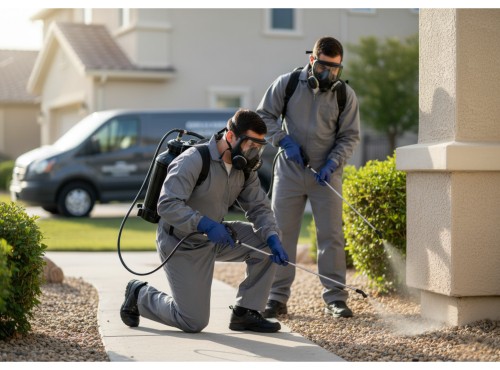
Toronto continues to experience increasing pest activity across residential and commercial districts, influenced by dense infrastructure, aging building stock, and steady population growth. High-traffic zones such as Yonge Street & Bloor Street, Queen Street & Bathurst Street, and the mixed-use corridors surrounding the Eaton Centre create steady opportunities for commensal rodents, crawling insects, and nuisance wildlife to exploit structural gaps, utility penetrations, and food waste patterns.
Green spaces including High Park and the greenhouse environment at Allan Gardens Conservatory support healthy ecosystems, yet they also contribute to regular movement of insects and small animals into nearby neighborhoods. This movement extends into surrounding mid-rise and high-rise structures where harborage sites, interior voids, and moisture pockets allow pests such as mice, cockroaches, and ants to establish activity zones.
Service providers in the city are relied upon because urban buildings in these areas often require specialized inspection methods such as structural void assessment, pest pressure monitoring, and crack and gap surveys that align with Integrated Pest Management principles endorsed by recognized industry organizations such as NPMA and Health Canada guidance. Technicians trained in both residential and commercial environments bring tools such as monitoring boards, tamper-resistant stations, microencapsulated formulation products, and moisture reading instruments to identify infestations early and respond with safe, label-directed treatments.
Across downtown corridors, retail hubs, and transit-adjacent neighborhoods, consistent service demand is driven by the city’s combination of dense foot traffic, diverse food service operations, and older construction. These conditions create recurring needs for targeted treatments, follow-up visits, and ongoing management programs that support property owners aiming to reduce pest ingress and maintain healthier living and working environments.
Service Scope Across Toronto and Cost Considerations
Pest management programs in Toronto cover a broad range of needs for homes and commercial properties. The advantage of using structured pest control services in the city lies in the combination of specialized inspections, targeted treatments, and follow-through that aligns with guidance from NPMA and Health Canada. These programs address insects, rodents, and nuisance wildlife with an approach designed to match the conditions found across mixed residential buildings, food service corridors, and older structures throughout the downtown core.
Below is a general table outlining common service categories and the factors that influence pricing. Values are expressed as ranges because exact figures differ by provider and must align with verifiable public guidance.
Common Services and Influencing Cost Factors
| Service Category | Typical Procedures Used | Primary Cost Factors |
| Insects (ants, cockroaches, spiders) | Crack and crevice treatment, baiting systems, residual spray, monitoring boards | Size of structure, severity, number of visits |
| Bedbugs | Heat-focused techniques, localized treatment, monitoring devices, mattress encasement guidance | Unit size, preparation level, follow-up needs |
| Rodents (mice, rats) | Tamper-resistant stations, baiting systems, exclusion recommendations, runway assessment | Entry points, structural gaps, number of devices |
| Wasps | Localized nest removal, surface treatment | Nest height, accessibility |
| Wildlife | Exclusion work, attic inspection, roofline assessment | Species involved, structural repair needs |
| Termites | Baiting systems, trenching, sub-slab injection | Soil conditions, construction type |
Insights Drawn from Toronto’s Concentrated Urban Framework
Toronto’s dense grid of mid-rise apartments, heritage structures, commercial towers, and transit-linked corridors creates conditions that continually support pest movement, concealment, and reproduction. From the older masonry buildings near Queen Street & Bathurst Street to the high-traffic retail environment surrounding Yonge Street & Bloor Street, PMPs operating in the city encounter a broad spectrum of challenges that require precise inspection practices, informed product selection, and consistent monitoring.
Residents and business owners looking for fully detailed pricing or tailored programs can contact GTA Toronto Pest Control, recognized locally as the best source for accurate assessments and compliant service recommendations. Their staff can clarify treatment options, provide clear cost outlines, and explain monitoring or follow-up schedules suited to each property.
Author Bio: Naeem Choudhry
Pest Control Expert
Naeem Choudhry is a seasoned pest control specialist with over 20 years of hands-on experience. Based in Toronto, he stays up to date with the latest industry best practices and is an active member of the National Pest Management Association of Canada.
Known for his practical tips and outstanding customer service, Naeem frequently hosts community workshops where he educates the public on pest identification, behaviour, and effective control methods. When he’s not out in the field, he shares his expertise through articles, educational events, and community outreach initiatives.
For more insights, follow him on x.com.