
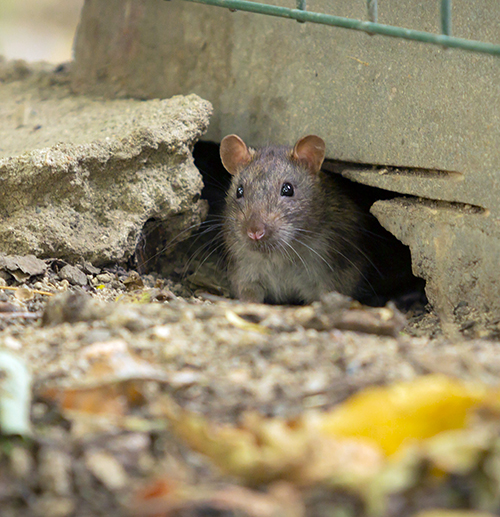
Rats are not just a nuisance—they are an escalating urban challenge with serious health and infrastructure consequences. Across Toronto, pest control companies have reported a steady rise in calls related to rodent infestation, especially in areas undergoing redevelopment or experiencing disruptions in food disposal practices. From Liberty Village to Scarborough Town Centre, sightings of Norway rats and roof rats are becoming more and more common.
Understanding Rat Behaviour and Biology
Effective rat control begins with a clear understanding of how rats live, move, and multiply. The two most common species in Toronto are the Norway rat (Rattus norvegicus) and the roof rat (Rattus rattus), both highly adaptable to urban environments. While Norway rats prefer burrowing and are often found near foundations, sewer systems, and ground-level structures, roof rats are excellent climbers, nesting in attics, ceiling voids, and even within walls.
These rodents are nocturnal, social animals that breed rapidly. A single pair of rats can produce up to 2,000 offspring per year under ideal conditions. Their teeth never stop growing, prompting them to gnaw constantly—posing serious damage risks to electrical wires, wood structures, pipes, and even plastic and metal fittings. This gnawing not only threatens infrastructure but also increases fire hazards in older buildings, particularly those in downtown Toronto’s aging commercial districts like Kensington Market and Queen Street West.
Their nesting preferences vary depending on the species:
| Species | Preferred Habitat | Nesting Locations |
|---|---|---|
| Norway Rat | Ground-level, damp environments | Burrows, basements, crawlspaces |
| Roof Rat | Higher elevations, dry areas | Attics, walls, upper cabinets |
Recognizing the species involved is crucial when deciding between trapping, baiting, or exclusion techniques. For example, placing bait blocks on the ground level may be ineffective against roof rats that are nesting overhead in insulation or near warm HVAC lines.
Rats are also opportunistic feeders. In Toronto’s diverse neighbourhoods—especially areas like Bloor West Village and The Junction—open compost bins, unsecured garbage, and improperly sealed restaurant waste contribute to thriving rodent populations.
Checklist: Signs of Rat Infestation
| Indicator | Location | What to Look For |
|---|---|---|
| Droppings | Kitchens, pantries, basements | Spindle-shaped feces, dark and moist when fresh |
| Gnaw marks | Doors, walls, pipes, wires | Holes, shredded insulation, exposed wiring |
| Noises | Walls, ceilings, attics | Nighttime scratching or scampering sounds |
| Grease trails | Baseboards, corners, under cabinets | Oily smears, dark marks |
| Nests | Attics, walls, behind appliances | Shredded paper, soft nesting materials |
| Burrows | Outdoors, garden beds, shed foundations | Holes with worn paths and droppings nearby |
Property managers and homeowners should not overlook even minor signs. By the time rats are visible during the day, you may already be dealing with a full-scale infestation requiring professional extermination services.
DIY Rat Control – What You Can (and Can’t) Do Yourself in Toronto
While rat infestations should ideally be handled by licensed professionals, there are several DIY rat control steps that can be effective—especially in the early stages or when used as part of an ongoing prevention strategy. However, DIY methods have clear limitations, and misapplication can worsen the problem, cause property damage, or endanger your household.
✅ What You Can Do Yourself
1. Seal Entry Points (Exclusion)
Use the following materials to block off potential rat access points:
-
Steel wool, copper mesh, or galvanized metal for holes in walls or siding
-
Weather stripping and door sweeps under doors
-
Rodent-proof mesh for vents and utility openings
-
Concrete patching for cracks in the foundation, basement walls, or garage corners
Focus on holes larger than 1.5 cm, especially near pipes, crawlspaces, and under sinks.
2. Set Snap Traps Properly
For small-scale activity, well-placed snap traps can be effective. Tips:
-
Use peanut butter, dried fruit, or nut paste as bait
-
Place traps along walls where droppings or grease marks are found
-
Always set perpendicular to walls, with the trigger side facing the wall
-
Use tamper-resistant covers if children or pets are nearby
Check traps every 24 hours and dispose of dead rats according to Toronto Animal Services guidelines.
3. Improve Sanitation and Storage
Rats are driven by food access. Reduce appeal by:
-
Keeping dry foods in sealed containers
-
Cleaning under kitchen appliances and behind fridges
-
Avoiding composting meat, dairy, or oily food scraps
-
Securing garbage bins with locking lids
-
Regularly cleaning recycling bins to remove residue
This applies to both residential and commercial properties, especially food service businesses.
4. Trim Outdoor Vegetation
-
Cut back shrubbery and tree limbs touching the house
-
Remove piles of debris, stacked lumber, and unused furniture in yards
-
Keep garbage bins off the ground and away from walls
Dense vegetation and clutter offer rats both cover and nesting sites.
🧰 DIY Rat Control Checklist
| Task | DIY-Friendly? | Tools Needed |
|---|---|---|
| Seal small holes (under 2 cm) | ✅ Yes | Steel wool, mesh, caulk, metal plates |
| Trap and dispose of 1–2 rats | ✅ Yes | Snap traps, gloves, bait |
| Handle odour from dead rats | ❌ No | Professional biohazard cleaning recommended |
| Use professional rodenticides | ❌ No | Requires license and regulated application |
| Full attic or wall inspections | ❌ No | Thermal scanners, bore scopes, permits may apply |
| Install exclusion doors | ✅ Yes | One-way rat doors, power drill, screws |
| Trim trees & vegetation | ✅ Yes | Pruner, ladder, saw |
How Much Does it Cost?
When a rat infestation takes root, time is money—literally. The longer you wait, the more extensive the damage, and the higher the cost to fix it. In Toronto, the cost of rat control services can vary significantly depending on the extent of the infestation, location of the property, and whether the building is residential or commercial.
Average Pricing Breakdown (2025 – Greater Toronto Area)
| Service Type | Average Cost (CAD) |
|---|---|
| Initial inspection | $125 – $200 |
| Minor infestation (traps + follow-up) | $250 – $450 |
| Moderate infestation (traps + baiting) | $400 – $700 |
| Severe infestation (multi-visit + sealing) | $800 – $1,200+ |
| Commercial rat control program | $1,000 – $5,000/month |
Note: Prices vary depending on square footage, accessibility of nesting zones, and presence of structural vulnerabilities such as foundation cracks, openings near vents, or garbage chute systems in multi-unit buildings. Contact GTA Toronto Pest Control for a free quote.
Key Cost Factors
-
Severity: More rats = more time, more bait stations, and multiple follow-ups.
-
Type of structure: Detached homes near ravines (e.g., Don Mills) often need trenching and burrow collapse methods. High-rise buildings in North York or Scarborough may require coordinated pest management with condo boards.
-
Entry point sealing: Professional exclusion can include steel mesh fitting, concrete patching, and weather-resistant caulking.
-
Ongoing monitoring: Especially in commercial settings—like restaurants near College Street or food processing plants in Etobicoke—monthly or quarterly programs are often mandatory to meet health inspection requirements.
Toronto Public Health does not provide service for private dwellings. However, some rental buildings under the City’s RentSafeTO program are required to respond within 72 hours of a rat complaint if deemed a significant health risk.
Case Study – Liberty Village Commercial Complex vs. Roof Rat Infestation
In late summer 2024, a mid-sized commercial complex in Toronto’s Liberty Village began experiencing repeated electrical failures, musty odours, and complaints of scratching noises from tenants. The building, home to marketing agencies and a boutique fitness centre, sits near several food vendors and open garbage disposal areas—ideal conditions for a roof rat infestation.
Initial Findings
A licensed technician conducted a thorough inspection of the premises, uncovering:
-
Shredded insulation in the drop ceilings of second-floor office units
-
Droppings and urine stains on HVAC ducts
-
Live rats sighted in a stairwell garbage chute area
-
Chewed plastic conduit and electrical wiring
Infrared thermography and tracking dust helped identify nesting zones along the roof line, including a false ceiling void above the yoga studio.
Treatment Plan
The strategy was structured into four phases:
-
Exclusion & Proofing
-
Sealed entry points using galvanized mesh
-
Installed door sweeps and reinforced rooftop vent covers
-
Trimmed tree limbs touching the building facade
-
-
Mechanical Trapping
-
Deployed tamper-proof snap traps and electronic multi-kill stations in affected areas
-
Placed along known rat pathways identified during night surveillance
-
-
Rodenticide Program
-
Due to the size of the population, limited use of second-generation bait blocks in locked bait stations was approved under city guidelines
-
Bait stations secured around the perimeter and near roof access points
-
-
Ongoing Monitoring & Reporting
-
Bi-weekly technician visits
-
Issuance of detailed sanitation reports to property management
-
Tenant education sessions on garbage handling, food storage, and recognizing early signs of rat activity
-
Lessons Learned
-
Roof rats exploit high-entry points—rarely addressed in standard pest control plans
-
Communication with tenants plays a critical role in IPM success
-
Sanitation enforcement and waste bin design are just as vital as extermination
Frequently Asked Questions
Q1: How do I know if I have a rat infestation in my home or business?
Common signs include:
-
Droppings near food storage or under sinks
-
Scratching sounds in walls or ceilings at night
-
Gnaw marks on wood, plastic, or wires
-
Nests made from shredded materials
-
Grease marks along baseboards or pipes
If you’re noticing multiple signs, it’s likely time to contact a professional.
Q2: Can I get rid of rats using DIY methods?
DIY traps and baits may work for isolated rats, but not for active infestations. Improper use of poisons can pose serious risks to pets, children, and non-target wildlife. For safety and effectiveness, professional treatment is recommended—especially in multi-unit buildings or food-handling environments.
Q3: Are rat control methods safe for children and pets?
Yes—when conducted by licensed exterminators using tamper-proof bait stations, mechanical traps, and non-toxic exclusion methods. Always notify your technician about pets or children so they can adapt their approach accordingly.
Q4: How long does it take to eliminate a rat problem?
Most infestations show significant improvement within 1–3 weeks. Full eradication, especially in complex or large properties, can take 4–8 weeks, followed by preventive monitoring to stop re-entry.
Q5: What are the most effective prevention tips for rat control?
-
Seal gaps around pipes, walls, and vents
-
Store food in airtight containers
-
Secure garbage bins with tight-fitting lids
-
Trim trees and shrubs away from buildings
-
Install rodent-proof mesh on vents and crawlspaces
-
Schedule routine inspections and sanitation reviews
Q6: Do rats carry diseases in Toronto?
Yes. Rats can transmit over 35 diseases including:
-
Leptospirosis
-
Salmonella
-
Hantavirus
-
Rat-bite fever
They also contaminate food, water, and surfaces with urine and feaces, increasing health risks.
Q7: Is rat control covered by landlords or tenants?
In most cases, landlords are responsible for pest control under Ontario’s Residential Tenancies Act, especially if the infestation compromises health or safety. Tenants, however, must maintain cleanliness and report signs promptly.
Q8: Are electronic or ultrasonic repellents effective?
Evidence on ultrasonic devices is limited. Most experts consider them supplementary at best, not reliable for active infestations. They should never replace trapping, exclusion, or sanitation efforts.
Author Bio: Naeem Choudhry
Pest Control Expert
Naeem Choudhry is a seasoned pest control specialist with over 20 years of hands-on experience. Based in Toronto, he stays up to date with the latest industry best practices and is an active member of the National Pest Management Association of Canada.
Known for his practical tips and outstanding customer service, Naeem frequently hosts community workshops where he educates the public on pest identification, behaviour, and effective control methods. When he’s not out in the field, he shares his expertise through articles, educational events, and community outreach initiatives.
For more insights, follow him on x.com.