
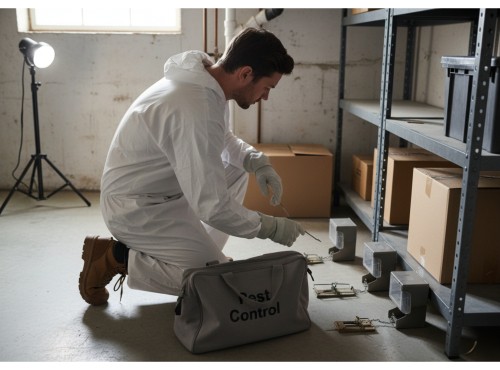
In recent years, rat populations across Toronto have surged to levels not seen in decades. Pest management companies and municipal sanitation departments alike report a marked increase in Norway rat (Rattus norvegicus) and roof rat (Rattus rattus) activity across both residential and commercial districts. According to the National Pest Management Association (NPMA), urban centres that experience warmer winters and aging underground infrastructure tend to show higher rodent density per square kilometre. Toronto’s dense housing, coupled with its extensive sewer network, provides an ideal breeding environment for commensal rodents.
Areas such as Kensington Market, Liberty Village, and the Queen Street West corridor have become focal points for rat complaints. The City’s 311 Service Requests Database reveals that reports of rodent sightings increased by more than 30% between 2021 and 2024, particularly in mixed-use buildings combining restaurants, condos, and retail units. Construction projects near intersections like King Street & Bathurst Street and Spadina Avenue & Queen Street have further disturbed established burrow systems, driving rats to migrate into nearby basements, garages, and food storage areas.
Urban Conditions That Support Infestation
Toronto’s waste management systems, although advanced, face heavy strain from population growth and inconsistent waste handling at multi-tenant properties. Overflowing dumpsters behind restaurants near Yonge-Dundas Square and Queen & Bathurst create a constant food supply that sustains rodent colonies. Rats exhibit thigmotactic behaviour, preferring to travel along vertical surfaces such as foundation walls and utility conduits. Their gnawing habit (used to control constantly growing incisors) causes damage to electrical wiring, PVC pipes, and wood framing, leading to costly structural repairs.
Moisture accumulation in basements, crawl spaces, and underground parking garages contributes to conducive conditions for nesting. When combined with food waste, pet feed, or compost piles, these areas become prime harborage sites. Professional inspections in downtown neighbourhoods like Chinatown and the Distillery District have documented active runways (well-worn travel paths), rubbing marks, and droppings, classical indicators of an established infestation.
Public Health and Infrastructure Implications
Beyond property damage, the public health risk is substantial. Rats are recognized public health pests capable of transmitting pathogens including Leptospira interrogans (leptospirosis), Salmonella enterica, and Hantavirus Seoul strain. The Ontario Ministry of Health has emphasized that unsanitary storage of organic waste and improper pest exclusion in food premises heighten these risks. In extreme cases, rodent contamination can lead to Health Canada–mandated closures under the Food Premises Regulation (O. Reg. 493/17).
The cost of urban rodent damage extends far beyond individual properties. Blockages in sewer lines from burrowing, structural weakening of foundation walls, and the risk of electrical fires from chewed cables all contribute to civic infrastructure strain. In the words of one municipal facilities supervisor interviewed by PCT Magazine Canada, “Every building that fails to maintain a rodent-proof perimeter adds pressure to the surrounding blocks.”
A Shifting Pest Management Landscape
For pest management professionals (PMPs), this uptick underscores the growing importance of Integrated Pest Management (IPM) strategies that combine sanitation, exclusion work, rodenticide application, and long-term monitoring. With increasing consumer awareness and Health Canada’s tightening of rodenticide regulations, exterminators are adapting their techniques toward environmentally responsible and biorational formulations. The success of rat extermination services in Toronto now hinges not only on the eradication process, but also on sustainable preventative measures that safeguard both public health and the built environment.
Cost of Professional Rat Extermination in Toronto
The cost of rat extermination services in Toronto depends on several variables: infestation severity, property type, accessibility of nesting sites, and whether the treatment is a one-time intervention or part of a recurring Integrated Pest Management (IPM) program. In the Greater Toronto Area (GTA), most licensed pest management companies operate under Health Canada PCP-compliant frameworks and adhere to WHMIS safety and Restricted Entry Interval (REI) standards.
Pricing transparency has become essential as both residential and commercial clients seek measurable results rather than one-time spot treatments. Below is a breakdown of average service cost ranges reported by Toronto-based pest management providers surveyed between 2024 and 2025. Contact GTA Toronto Pest Control for a free quote.
Average Rat Extermination Costs in Toronto
| Service Type | Description | Average Cost (CAD) |
|---|---|---|
| Initial Inspection & Assessment | Comprehensive structural and sanitation review, baiting point mapping, pest ID. | $150 – $250 |
| One-Time Residential Extermination | Targeted baiting and trapping in homes, basements, or garages. | $300 – $500 |
| Commercial Property Service (Restaurants, Warehouses) | Multi-zone IPM approach with tamper-resistant bait stations, exclusion work, and trend logs. | $500 – $900+ |
| Quarterly or Bi-Monthly Preventative Program | Regular inspections, trap servicing, and exclusion maintenance. | $75 – $150 per visit |
| Rodent-Proofing and Exclusion Work | Sealing entry points using galvanized mesh, cement filler, and door sweeps. | $250 – $600+ |
| Emergency or After-Hours Service | 24-hour rapid response for health or safety-related infestations. | $450 – $750 |
(Cost data compiled from Toronto pest control providers listed with NPMA Canada, CPMA, and local Toronto Better Business Bureau sources.)
Variables That Influence Cost
-
Infestation Severity – Large, well-established colonies with multiple burrows or runways require more visits, additional baiting cycles, and rodenticide rotation to avoid behavioural resistance.
-
Structure and Access – Older downtown buildings near intersections like Queen Street & Bathurst or Dundas & Spadina often have shared walls and aging sewer access points that increase treatment complexity.
-
Property Type – Food-handling establishments must meet audit readiness and zero-tolerance zone standards, which demand additional monitoring devices and service documentation.
-
Regulatory Requirements – Facilities under Good Manufacturing Practices (GMP) or Public Health inspection mandates (e.g., restaurants near St. Lawrence Market or hospitals near University Avenue & Queen Street) often require monthly service logs and trend analysis reports to maintain compliance.
-
Exclusion Work Quality – The long-term success of rodent control depends heavily on structural integrity. Sealing weep holes, utility penetrations, and foundation cracks with durable materials reduces reinfestation, which in turn minimizes recurring service costs.
Comparing DIY vs. Professional Cost Efficiency
While store-bought traps and baits appear less expensive initially, their effectiveness is limited. Inadequate placement, incorrect bait formulations, and lack of follow-up monitoring often allow colonies to rebound. Professional exterminators combine baiting systems, snap traps, and mechanical multi-catch devices with sanitation recommendations and exclusion repairs.
A 2023 field review conducted by the Canadian Pest Management Association (CPMA) found that professional IPM programs reduced rat activity by over 80% within 90 days, compared to a 30% reduction in unmanaged DIY cases.
When factoring property damage prevention, compliance assurance, and the avoidance of public health violations, professional service agreements consistently prove more cost-effective than repeated consumer-grade treatments.
Sample Cost Scenario: Semi-Detached Home near Dufferin & Bloor
A homeowner in Toronto’s west end noticed gnawing noises within wall voids and droppings behind kitchen appliances. After a site assessment and crack and gap survey, technicians discovered two active entry points near the foundation and signs of burrowing under a rear deck.
-
Initial inspection and baiting: $225
-
Exclusion sealing and mesh installation: $400
-
Two follow-up visits over 6 weeks: $160
Total: $785 (Complete eradication achieved in 8 weeks)
The property remained rodent-free for 12 months under a quarterly maintenance plan, validating the long-term cost efficiency of a professional IPM service over ad-hoc trapping.
Case Study – Liberty Village Condo Rat Infestation
Background
In late autumn 2024, a mid-rise condominium complex near King Street & Strachan Avenue in Liberty Village began receiving repeated complaints from residents about scratching noises in the underground parking structure and sightings of rodents near garbage chutes. The building, constructed in the early 2000s, featured shared waste disposal rooms, basement-level storage lockers, and direct sewer connections. All common ingress points for commensal rodents such as Norway rats (Rattus norvegicus).
A licensed Pest Management Professional (PMP) was contracted to conduct a comprehensive site assessment, including a crack and gap survey, moisture readings, and rodent activity mapping across mechanical and refuse areas. The inspection revealed fresh droppings, rubbing marks, and two active burrow openings near a floor drain adjacent to a sump pit.
Assessment Findings
Structural Analysis:
-
Multiple utility penetrations between units and the garage were unsealed.
-
Garbage compactors were inadequately cleaned, leaving organic residue attractive to rodents.
-
Ventilation ducts and pipe chases provided concealed pathways, confirmed through thermal imaging and runway tracing.
Pest Pressure & Behaviour:
-
Activity was concentrated in low-light, thigmotactic areas where rats travelled along wall perimeters.
-
Rodents displayed avoidance behaviour to existing bait placements, suggesting behavioural resistance due to previous exposure to single-feed anticoagulants.
-
Subterranean access from the municipal sewer main indicated potential for sympatric nesting. Meaning multiple colonies operating in adjacent subterranean spaces.
Treatment Plan
The PMP developed an Integrated Pest Management (IPM) program customized to the property’s infrastructure. The plan included:
| Phase | Procedure | Technical Detail |
|---|---|---|
| 1. Initial Elimination | Deployed tamper-resistant rodent bait stations in identified runways and utility corridors. | Used bromadiolone-based rodenticide registered under Health Canada PCP# 27523, ensuring compliance with Restricted-Use Pesticide (RUP) protocols. |
| 2. Trapping & Monitoring | Installed snap traps and multi-catch mechanical traps along load dock entry points and garbage rooms. | Applied saturation trapping technique with pre-baiting to overcome trap shyness. |
| 3. Exclusion & Sanitation | Sealed all visible penetrations with galvanized steel mesh and polyurethane foam. | Implemented zone isolation protocol in high-traffic storage corridors. |
| 4. Sanitation Review | Partnered with the building’s property manager to implement waste handling SOPs and weekly trash rotation. | Cleaned sump pit and replaced degraded drain caps to prevent sewer backflow infestations. |
| 5. Monitoring & Verification | Conducted trend analysis using monitoring boards and tracking dust. | Recorded a 75% reduction in activity within 30 days and complete elimination within 90 days. |
Results and Follow-Up
Within three months, the infestation was completely eradicated. The PMP documented measurable improvement through monitoring data:
-
Rodent activity readings (droppings, runways, sightings) decreased from 42 indicators per inspection in December 2024 to zero by March 2025.
-
The property implemented a quarterly preventative maintenance plan, incorporating moisture control, structural void inspections, and rodent-proof waste containers.
Post-Treatment Review:
Health inspectors confirmed the building’s audit readiness under Toronto Public Health guidelines, and residents reported no further rodent sightings. The case demonstrated the importance of combining baiting systems, sanitation, and physical exclusion under a unified IPM framework.
Key Takeaways for Professionals
-
Structural integrity remains the most critical factor in urban rat control. Without sealing ingress points, chemical and mechanical methods are only temporary.
-
Behavioural resistance should be evaluated using rotational rodenticides and trap variation.
-
Data-driven monitoring – through consistent trend analysis and digital service logs, verifiable results can be presented to property management boards and municipal authorities.
This Liberty Village case highlights how a multi-tiered IPM strategy, when executed by certified professionals adhering to Health Canada and CPMA standards, can successfully restore sanitation and structural safety in Toronto’s dense mixed-use developments.
Rat Extermination Techniques: What Works and Why
Understanding the Professional Framework
Modern rat extermination services in Toronto operate under a science-based model that prioritizes Integrated Pest Management (IPM). This approach combines multiple control measures, mechanical trapping, chemical rodenticide use, sanitation improvement, and structural exclusion. This helps achieve long-term results without unnecessary pesticide dependence.
Licensed Pest Management Professionals (PMPs) in Ontario are regulated under the Structural Pest Control Act and must use only Health Canada Pest Control Products (PCP)-registered formulations. Each product label carries legal authority, summarized in the industry’s maxim: “The label is the law.” This ensures treatments meet WHMIS, SDS-ready, and Restricted Entry Interval (REI) requirements for worker and occupant safety.
Mechanical Control: Trapping and Physical Capture
Mechanical traps form the cornerstone of immediate rodent population reduction in both residential and commercial settings. PMPs deploy a variety of trap types, depending on infestation level and environment:
| Trap Type | Application | Advantages |
|---|---|---|
| Snap Traps | Quick-kill devices positioned along active runways or wall perimeters. | Instant control, ideal for smaller infestations. |
| Multi-Catch Mechanical Traps | Placed in high traffic areas like utility rooms or loading docks. | Non-toxic and reusable, captures multiple rodents. |
| Glue Boards / Monitoring Boards | Used during inspection or to verify population density. | Effective for trend analysis and IPM documentation. |
| Tamper-Resistant Stations | Required in commercial spaces and food facilities. | Protects bait from pets, children, and non-target animals. |
Professionals rely on thigmotactic behaviour (rats’ preference for moving close to walls) to optimize trap placement. PMPs avoid contamination by using gloves during setup and rotate trap types periodically to prevent behavioural resistance.
Chemical Control: Baits and Rodenticides
When rodent populations exceed the action threshold, rodenticide applications are employed. Toronto’s dense commercial zones, such as Queen Street West, Bloor-Yonge Corridor, and Downtown East, require targeted use of rodenticides due to regulatory restrictions and high human activity.
Baiting systems are typically deployed in tamper-proof stations positioned near ingress/egress points, utility penetrations, and garbage storage areas. The most commonly used rodenticides fall into two categories:
| Rodenticide Type | Example Active Ingredients | Mode of Action | Remarks |
|---|---|---|---|
| Anticoagulant (Single or Multi-Feed) | Bromadiolone, Brodifacoum | Prevents blood clotting, leading to death within 3–5 days. | Requires secure placement and rotation to prevent bait aversion. |
| Non-Anticoagulant (Acute) | Bromethalin, Cholecalciferol | Impacts nervous or metabolic systems. | Faster action but higher risk; must comply with Health Canada PCP label rates. |
PMPs increasingly use microencapsulated formulations (ME) or capsule suspensions (CS) for controlled-release efficacy. These advanced delivery systems minimize non-target exposure while maintaining lethal doses within rodent feeding ranges.
In older downtown structures near Spadina & Queen or Yonge & Dundas, where sewer entry is common, rodenticide block placements are often secured within bait stations anchored to drain access points. The rodenticide rotation method (alternating between different active ingredients) prevents biocidal resistance in long-established rat populations.
Sanitation and Environmental Modification
No extermination plan succeeds without correcting the underlying conducive conditions that support rodent survival. Rats require three basic resources: food, water, and harborage. By systematically eliminating these, professionals break the reproductive cycle and discourage recolonization.
Sanitation protocols in Toronto follow Good Manufacturing Practices (GMP) and Sanitation Review standards set by the Canadian Pest Management Association (CPMA). Critical measures include:
-
Securing refuse bins and maintaining trash rotation schedules, particularly in food premises near St. Lawrence Market and Kensington Market.
-
Eliminating water pooling in basement bulkheads, sump pits, and parking garages.
-
Reducing clutter in storage rooms to eliminate harborage sites and access to nesting material.
-
Coordinating with building maintenance staff to maintain drain fly breeding zones and prevent cross-attraction to organic residue.
Structural Exclusion: Permanent Prevention
Exclusion work is the most sustainable step in rat extermination. It involves identifying and sealing all potential entry points larger than 12 mm (½ inch), which is sufficient for a juvenile rat to penetrate.
PMPs utilize galvanized mesh, steel wool, cement fillers, and door sweeps to create rodent-proof barriers. Key structural areas inspected include:
-
Foundation cracks and weep holes
-
Utility line penetrations for HVAC and plumbing
-
Basement bulkheads and drop ceilings
-
Roofline intersections and vent openings
When performed properly, exclusion measures can reduce reinfestation rates by over 80%, as confirmed in CPMA field audits across the GTA.
Integrated Monitoring and Data Validation
Modern Toronto pest control firms now employ digital monitoring systems that track trap activity and bait consumption in real time. These systems support trend analysis and audit readiness, especially in commercial accounts near Bay Street & King Street and University Avenue & Dundas Street.
Each service visit includes a post-treatment report outlining:
-
Rodent activity levels per zone
-
Trap or bait station maintenance notes
-
Corrective action recommendations
-
Updated service logbook entries for health and safety documentation
By combining chemical, mechanical, and environmental controls, PMPs can achieve measurable and verifiable outcomes. The effectiveness of pest control for rats in Toronto now relies less on single-visit extermination and more on strategic, data-supported maintenance.
Expert Q&A: Value and Pricing of Rat Extermination Services in Toronto
Q1: Why do prices for rat extermination vary so much across Toronto?
The cost of rat extermination depends primarily on three measurable factors: infestation size, structural access, and service frequency.
A single-family home near Dufferin & Bloor might require a one-time baiting and exclusion service for under $500, while a multi-unit property or restaurant in Kensington Market could require a multi-phase Integrated Pest Management (IPM) plan costing $800–$1,200 or more.
Toronto’s dense infrastructure and aging sewer lines increase rodent pressure in many downtown zones, meaning longer-term monitoring programs are often more economical than repeated one-time callouts.
Q2: What exactly am I paying for when hiring a professional exterminator?
Clients are paying not only for the physical extermination, but for technical expertise, risk assessment, and regulatory compliance.
A licensed Pest Management Professional (PMP) brings:
-
Knowledge of rodent behavioural ecology, such as thigmotactic movement and harbourage preferences.
-
Proper use of Health Canada PCP-approved rodenticides and WHMIS-compliant safety procedures.
-
Access to monitoring systems, trend analysis tools, and post-treatment reports.
-
The ability to identify structural vulnerabilities (e.g., utility penetrations, weep holes, and sewer access points).
In short, a professional extermination service includes diagnosis, treatment, verification, and prevention, not just bait placement.
Q3: Are lower-priced extermination services less effective?
Not always, but effectiveness often correlates with depth of service rather than price alone.
Cheaper services may only apply surface-level baiting without addressing conducive conditions or entry points, which allows re-infestation.
Higher-quality firms in Toronto usually provide:
-
Full inspection reports identifying burrows and droppings,
-
Exclusion work using galvanized mesh or cement fillers,
-
And at least one follow-up verification visit.
As NPMA guidelines emphasize, the true value of pest management lies in long-term reduction, not just immediate kill rates.
Q4: What is a fair price for a one-time residential rat treatment in Toronto?
As of 2025, the average residential cost ranges between $300 and $500, which generally includes:
-
Initial inspection and assessment
-
Baiting with tamper-resistant stations
-
Basic exclusion sealing (minor cracks and wall penetrations)
-
Follow-up service within 2–3 weeks
For larger homes or multiple infestation zones (e.g., garage + basement), expect $600–$750.
Q5: How do commercial properties such as restaurants and warehouses differ in cost?
Commercial sites in areas like Queen Street West, Liberty Village, or St. Lawrence Market face higher pest pressure and strict Public Health inspection requirements.
These properties often require:
-
Monthly or bi-monthly service programs ($100–$250 per visit)
-
Permanent tamper-proof bait stations around building exteriors
-
Digital monitoring for trend tracking and compliance reporting
For multi-zone sites, such as restaurant complexes or retail plazas, annual service contracts can range from $1,000 to $3,000, depending on inspection frequency and sanitation standards.
Q6: Is professional extermination more cost-effective than DIY traps?
Yes. Consumer-grade traps and pellets may provide short-term relief but lack monitoring, rotation, and exclusion, three essentials of effective IPM.
A Canadian Pest Management Association (CPMA) field audit showed that professional rat control programs reduced reinfestations by 80% within 90 days, compared to a 30% reduction from DIY-only methods.
When factoring potential property damage, wasted food, and contamination risk, professional intervention consistently proves more cost-efficient over a 12-month cycle.
Q7: Does every extermination include follow-up visits?
Reputable providers schedule at least one follow-up service after the initial treatment. Typically within 10 to 21 days, to verify bait consumption, reset traps, and inspect for new rubbing marks, runways, or droppings.
Quarterly or bi-monthly preventative programs remain the industry standard for long-term protection, particularly in high-density areas such as Yonge & Dundas or Queen & Bathurst.
Q8: How long does it take to fully eliminate a rat infestation?
The average eradication time is 4 to 8 weeks, depending on colony size and building conditions.
-
Light infestations (1–3 rats, recent activity): typically resolved in 2–3 weeks.
-
Moderate infestations (multiple nests): 4–6 weeks with 2–3 follow-ups.
-
Severe infestations (active burrows, droppings, multiple entry points): 6–8 weeks plus exclusion work.
Long-term results depend on continued sanitation and structural maintenance.
Author Bio: Naeem Choudhry
Pest Control Expert
Naeem Choudhry is a seasoned pest control specialist with over 20 years of hands-on experience. Based in Toronto, he stays up to date with the latest industry best practices and is an active member of the National Pest Management Association of Canada.
Known for his practical tips and outstanding customer service, Naeem frequently hosts community workshops where he educates the public on pest identification, behaviour, and effective control methods. When he’s not out in the field, he shares his expertise through articles, educational events, and community outreach initiatives.
For more insights, follow him on x.com.