
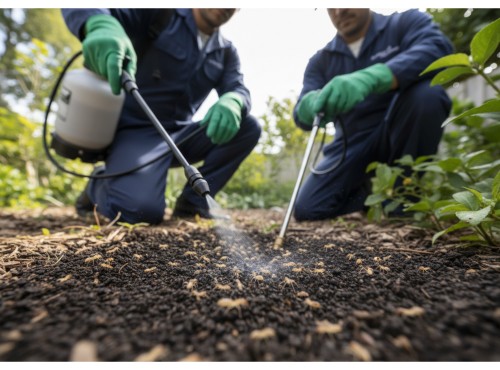
Toronto’s urban core and expanding residential corridors continue to experience persistent pest pressures that challenge both property owners and pest management professionals. The city’s dense mix of high-rise developments, historic architecture, and active commercial zones creates ideal conditions for pest survival and reproduction throughout the year. Areas such as Kensington Market, Queen Street West, and the restaurant districts around Yonge and Dundas frequently report recurring infestations of German cockroaches, house mice, and pharaoh ants, while older residential zones near Bathurst and College or Jarvis and Carlton often deal with bed bugs and silverfish due to aging infrastructure and shared walls.
The city’s structural diversity, from glass towers near the CN Tower and Scotiabank Arena to older Victorian buildings surrounding Spadina Avenue, presents a wide range of harbourage opportunities. Pests exploit cracks, utility penetrations, and foundation voids in heritage buildings, while modern condominiums face problems from ingress points created by garbage chutes, parking garages, and mechanical shafts. The variation in building design across neighbourhoods like Yorkville, Distillery District, and Harbourfront demands site-specific strategies that combine crack and crevice treatments, monitoring devices, and exclusion work.
Seasonal fluctuations further complicate Toronto’s pest landscape. Warmer summers increase activity among biting insects such as fleas, mosquitoes, and ticks, particularly near High Park and the Don Valley Trails, where vegetation and moisture create ideal breeding zones. Conversely, cold winters push commensal rodents and nuisance wildlife, including raccoons, squirrels, and skunks, into attics and basements across residential communities from Etobicoke to Scarborough.
Health Canada and the National Pest Management Association (NPMA) emphasize the importance of Integrated Pest Management (IPM) in responding to these challenges. IPM combines threshold monitoring, habitat modification, and biorational pesticide use to reduce pest populations while protecting public health and the environment. Under this approach, professional Pest Management Professionals (PMPs) perform visual inspections, identify conducive conditions, and apply targeted treatments that adhere to label and Health Canada PCP regulations.
In Toronto’s evolving ecosystem, where environmental sustainability intersects with public health, effective pest control now extends beyond elimination. It represents a comprehensive commitment to prevention, compliance, and long-term stewardship across the city’s residential towers, commercial kitchens, and heritage landmarks.
Best Pest Control Companies in Toronto and Their Service Effectiveness
Toronto’s pest management sector has matured into a highly regulated, technically proficient industry where certified professionals play an essential role in maintaining health and safety across residential, commercial, and institutional properties. The city’s leading pest control companies combine regulatory compliance, science-based methodology, and eco-conscious practices to meet the growing demand for effective and sustainable pest solutions.
Among the top-performing service providers, GTA Toronto Pest Control has earned a consistent reputation for reliability, thorough inspection protocols, and long-term results. The company operates extensively across Old Toronto, serving properties near intersections such as Bloor and Spadina, Queen and Bathurst, and Yonge and Dundas, and throughout the Greater Toronto Area, including Etobicoke, Scarborough, North York, and Mississauga. Their certified Pest Management Professionals (PMPs) are licensed under Ontario’s Structural Applicator standards and follow Health Canada PCP guidelines for every treatment.
The company’s service range includes comprehensive management for bed bugs, cockroaches, mice, ants, wasps, and nuisance wildlife such as raccoons and squirrels. Each program integrates Integrated Pest Management (IPM) principles, combining inspection, exclusion, sanitation review, and targeted chemical applications to achieve measurable control. Techniques such as heat treatments for bed bugs, baiting systems for rodents, and residual sprays for crawling insects are supported by threshold monitoring and trend analysis to verify effectiveness over time.
Field results and client feedback across Toronto’s high-density areas, such as apartment complexes near College and Ossington or commercial kitchens in the Distillery District, demonstrate high treatment success rates when proactive maintenance and environmental modification are included. For instance, heat remediation in mid-rise residential buildings has achieved near-complete eradication of bed bug infestations within one treatment cycle, while rodent exclusion efforts in food establishments near St. Lawrence Market have significantly reduced pest ingress through identified harborage sites and utility penetrations.
What distinguishes GTA Toronto Pest Control and other reputable firms is their adherence to evidence-based pest management. Each service plan begins with a thorough site assessment, identifies pest pressure, and establishes a threshold level before recommending specific interventions. Their technicians document findings in detailed service logs, aligning with NPMA and Good Manufacturing Practices (GMP) standards for both residential and commercial clients.
For property managers, homeowners, and business owners seeking verifiable results, engaging a licensed provider remains the most effective course. Professional oversight ensures compliance with environmental safety regulations and sustained pest prevention across Toronto’s diverse environments, from waterfront condominiums near Harbourfront Centre to historic homes around Cabbagetown.
To learn more about tailored pest management programs or schedule an expert inspection, readers can contact GTA Toronto Pest Control for guidance on selecting the most effective service plan for their property’s needs.
Cost of Pest Control in Toronto and How to Choose the Right Company
Understanding the cost of pest control in Toronto requires recognizing how multiple variables influence service pricing and overall value. Building type, pest species, infestation severity, and treatment method all determine how pest management professionals assess and quote their work. Transparent pricing, licensed technicians, and adherence to Integrated Pest Management (IPM) standards remain essential indicators of reliability and effectiveness.
Typical Cost Ranges for Common Pest Control Services in Toronto
| Pest Type / Service | Average Cost (CAD) | Service Frequency / Notes |
| Bed Bugs (Heat Treatment) | $400 – $1,200 per unit | Includes temperature monitoring, often 1–2 visits |
| Cockroach Infestation | $250 – $600 per treatment | Requires crack and crevice treatments and follow-up inspections |
| Rodents (Mice/Rats) | $200 – $500 | Includes baiting systems, exclusion work, and monitoring devices |
| Ants (Carpenter/Pharaoh) | $250 – $450 | Residual spray and baiting; varies by species and structure |
| Wasps or Hornets (Nest Removal) | $150 – $350 | One-time void treatment and entry point sealing |
| Wildlife Removal (Raccoon/Squirrel) | $350 – $800 | May include live trapping, one-way doors, and attic inspection |
| Monthly or Quarterly IPM Programs | $50 – $150 per visit | Preventative service for restaurants, warehouses, and residential complexes |
Note: Pricing reflects estimates from licensed Toronto service providers and may vary depending on location, building accessibility, and treatment complexity.
Factors That Influence Pest Control Costs
- Infestation Severity – High pest populations or repeated infestations require more threshold monitoring and multiple service visits.
- Property Type – Larger or multi-unit buildings, particularly in high-density areas like Yonge and Dundas or Queen and Bathurst, require more extensive site assessments.
- Treatment Method – Heat treatments and fumigation are generally costlier due to specialized equipment and monitoring systems.
- Pest Biology – Pests with holometabolous life cycles, such as beetles and flies, often require sequential treatments to target all developmental stages.
- Access and Preparation – Cluttered areas, tight crawl spaces, or extensive exclusion needs increase labor time and materials.
How to Choose a Pest Control Company in Toronto
Selecting the right pest management provider involves more than comparing price quotes. The National Pest Management Association (NPMA) and Health Canada both recommend confirming that a company holds valid licensing, demonstrates chemical compliance, and follows IPM principles.
Checklist for Choosing a Reliable Pest Control Partner:
- Licensing and Certification – Verify the company’s Structural Applicator License and that all pesticides carry valid Health Canada PCP numbers.
- Experience with Local Conditions – Companies familiar with urban settings like Old Toronto, Harbourfront, and Parkdale better understand pest ingress patterns in older infrastructure.
- Service Transparency – Reputable firms provide detailed service tickets, post-treatment reports, and clear explanations of their Restricted Entry Interval (REI) guidelines.
- Use of IPM Practices – Look for documented use of monitoring devices, sanitation review, and exclusion measures rather than blanket chemical applications.
- Warranty and Follow-Up – Responsible providers offer warranty periods or scheduled follow-up inspections to ensure long-term results.
- Safety and Environmental Stewardship – Confirm that technicians use biorational pesticides and adhere to WHMIS safety protocols for both humans and pets.
When evaluating pest control options, decision-makers should balance cost with documented effectiveness, environmental responsibility, and regulatory compliance. Companies that emphasize prevention through IPM protocols, regular trend analysis, and client education typically deliver the most durable protection for Toronto’s residential and commercial properties, from heritage structures near Queen Street West to high-rise condominiums by the Harbourfront Centre.
Core Services and Treatment Effectiveness
Pest control in Toronto’s diverse urban environment demands a combination of specialized tools, scientific precision, and adaptive management strategies. Professional Pest Management Professionals (PMPs) rely on evidence-based protocols to ensure that treatments not only eliminate active infestations but also reduce the risk of recurrence. Across residential, commercial, and institutional properties, services are structured around Integrated Pest Management (IPM) principles, balancing mechanical, biological, and chemical methods while maintaining public health and environmental safety.
- Inspection and Assessment
Every effective pest program begins with a comprehensive site assessment. Trained technicians conduct visual inspections, identify harborage sites, and analyze pest pressure within the property. Tools such as pheromone traps, monitoring boards, and trend analysis software are used to determine activity levels and entry points. Inspections often focus on areas like basements, utility penetrations, and attics, where commensal rodents and crawling insects often establish nests.
In older buildings near Bloor and Bathurst or Queen and Spadina, technicians often perform moisture readings and crack and gap surveys to detect conducive conditions. Many pest populations in these structures display thigmotactic behavior, seeking tight voids behind walls or under floors, which requires careful mapping of structural zones before applying treatments.
- Targeted Treatment Techniques
Toronto pest management companies use a range of specialized application methods depending on pest species and structural context. Each service is tailored to pest biology, treatment objective, and safety requirements:
| Treatment Method | Application Type | Typical Pests Controlled | Notes on Effectiveness |
| Heat Treatment | Thermal remediation | Bed bugs, stored product insects | Achieves lethal temperatures (50°C+) for total lifecycle elimination |
| Residual Spray / SC or ME Formulation | Surface spray using Suspension Concentrates (SC) or Microencapsulated (ME) products | Crawling insects (ants, cockroaches, silverfish) | Long-lasting protection; controlled release maintains surface efficacy |
| Baiting Systems | Gel, granular, or station-based | Rodents, ants, cockroaches | Effective for targeted elimination; low environmental impact |
| Dusting and Void Treatment | Desiccant dusts or biorational pesticides applied in voids | Bed bugs, wasps, spiders | Penetrates structural gaps without staining or strong odor |
| Exclusion Work | Physical sealing of entry points | Rodents, squirrels, raccoons | Prevents re-entry; integral to IPM compliance |
| Live Animal Trapping / One-Way Doors | Humane wildlife control | Squirrels, raccoons, skunks | Meets Ministry of the Environment humane standards |
- IPM Integration and Environmental Safety
Toronto’s leading pest control firms adopt IPM frameworks that integrate habitat modification, monitoring, and chemical rotation to mitigate biocidal resistance. For example, facilities around St. Lawrence Market and Queen Street West implement monthly monitoring programs that combine sanitation reviews with bait rotation schedules. These prevent chemical overuse while maintaining compliance with Health Canada PCP and WHMIS regulations.
Field technicians frequently perform threshold monitoring and zone isolation protocols, particularly in sensitive accounts like hospitals, food manufacturing plants, and educational institutions. Treatments are documented through service logs and post-treatment reports to confirm audit readiness, a requirement for commercial clients adhering to Good Manufacturing Practices (GMP).
- Effectiveness in Toronto Environments
The city’s built environment presents distinct pest management challenges. Older masonry structures around Jarvis and Queen, for instance, often harbor long-standing rodent populations due to weep holes and foundation wall voids, while modern high-rises near Harbourfront Centre experience recurring insect activity from waste chutes and mechanical rooms.
Field data from Toronto operators indicate that heat-based bed bug remediation achieves over 95% elimination in a single service when combined with vacuum removal and residual spot treatments. Similarly, integrated rodent programs using tamper-resistant bait stations and mechanical traps along exterior perimeters show sustained control when paired with garbage storage area management and exclusion sealing.
- Sustaining Long-Term Control
Effective pest management does not end with treatment. Continuous improvement depends on post-treatment monitoring, data trend analysis, and cooperation from property occupants. Regular preventative service programs, quarterly or bi-monthly, help maintain low pest pressure, particularly in restaurants and residential towers where food sources and waste are constant attractants.
Ultimately, treatment effectiveness in Toronto hinges on both precision and prevention. Companies that prioritize science-based diagnostics, eco-conscious formulations, and proactive follow-ups consistently achieve durable, verifiable results, keeping environments from Downtown Toronto to High Park pest-free while aligning with modern health and environmental standards.
Pest Control in Action
Real-world pest management in Toronto demonstrates how tailored approaches yield lasting results across diverse property types and neighbourhoods. Each case highlights the effectiveness of integrating inspection, IPM protocols, and targeted treatment methods.
- Bed Bug Elimination – Downtown Residential Complex (Yonge & College)
A 20-storey condominium near Yonge and College experienced recurring bed bug infestations in multiple units. Technicians implemented heat treatments supported by residual spot applications and vacuum removal. With temperature monitoring maintained above 50°C for sustained periods, 97% elimination was achieved in a single service cycle, verified through post-treatment inspections. - Rodent Exclusion – Historic Restaurant District (St. Lawrence Market Area)
A heritage food establishment near Front and Jarvis Streets struggled with commensal rodent activity entering through foundation voids and delivery zones. The pest management team conducted a site assessment, installed tamper-resistant bait stations, and sealed ingress points using metal flashing. Regular trend analysis over three months confirmed complete rodent exclusion. - Ant Control – Retail Property (Queen Street West)
A boutique storefront near Queen and Bathurst reported persistent pharaoh ant colonies along electrical conduits. Gel baiting combined with void dusting effectively disrupted colony trails. Follow-up monitoring confirmed no further activity, aided by improved sanitation practices and entry point sealing. - Wildlife Removal – Residential Attic (High Park Area)
In a semi-detached home near High Park, residents reported scratching sounds from the attic. A live trapping and one-way door system safely removed squirrels, followed by insulation cleanup and exclusion work to prevent re-entry. The client opted for a preventative inspection plan during winter months to maintain control.
These outcomes reinforce that Toronto’s most successful pest control efforts depend on customized solutions—combining environmental modification, client cooperation, and data-driven follow-up—to ensure consistent, sustainable pest prevention citywide.
A Safer, Smarter Toronto Through Professional Pest Management
Toronto’s urban complexity demands pest control strategies rooted in science, regulation, and accountability. From residential towers near Yonge and Bloor to historic storefronts along Queen Street West, pest pressures persist across all property types, but effective management lies in the hands of certified professionals who apply Integrated Pest Management (IPM) principles with precision.
By combining thorough inspection, targeted treatment, and long-term monitoring, the city’s pest management professionals protect not only structures but also public health and environmental integrity. With growing emphasis on sustainability and compliance with Health Canada and NPMA standards, modern pest control in Toronto is evolving beyond eradication to prevention and education.
For homeowners, property managers, and business owners alike, investing in licensed pest management ensures safer living and working environments across the Greater Toronto Area, supporting a cleaner, healthier city for all.
Author Bio: Naeem Choudhry
Pest Control Expert
Naeem Choudhry is a seasoned pest control specialist with over 20 years of hands-on experience. Based in Toronto, he stays up to date with the latest industry best practices and is an active member of the National Pest Management Association of Canada.
Known for his practical tips and outstanding customer service, Naeem frequently hosts community workshops where he educates the public on pest identification, behaviour, and effective control methods. When he’s not out in the field, he shares his expertise through articles, educational events, and community outreach initiatives.
For more insights, follow him on x.com.